Fire Defense
& Property Security
A systematic approach to fire risk on hillside properties — from defensible space to suppression infrastructure, access gates to water supply.
Fire is not a
distant possibility here
La Habra Heights sits in a Class 4 fire hazard zone. The chaparral that makes the hillsides beautiful in October is the same fuel load that worries every experienced property owner by July. Over 45 years of working on these properties, I have watched fire risk awareness cycle in and out of homeowner attention — and I’ve seen what it costs when the preparation wasn’t there.
Wildfire defense on a hillside property is not a single project. It is a sequence of decisions about vegetation, infrastructure, access, water storage, and detection — made in the right order, maintained over time, and understood by everyone who uses the property.
This page outlines how I think about that sequence. The site plan below is a working illustration — not a permitted engineering drawing, but a genuine framework for how a defensible hillside property can be organized.
Five things that actually matter
on a hillside in fire country
Every property is different. Lot shape, slope direction, access road width, proximity to canyon edges, existing vegetation — all of it shapes the right approach. But the structure of the problem is consistent across properties, and I’ve arrived at five organizing principles after working enough fires and enough close calls on these hillsides.
Terrain, access, and
real hillside conditions
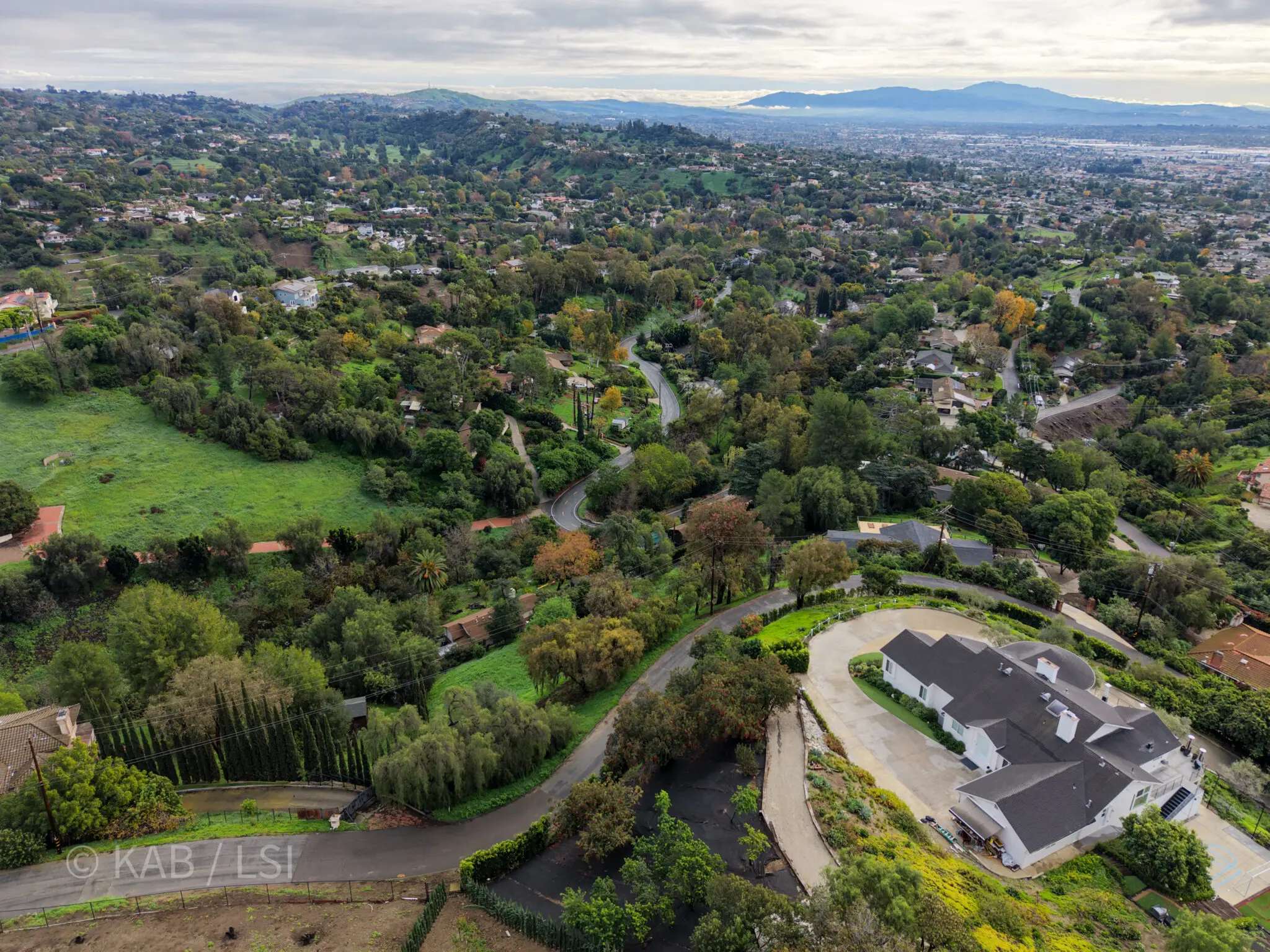
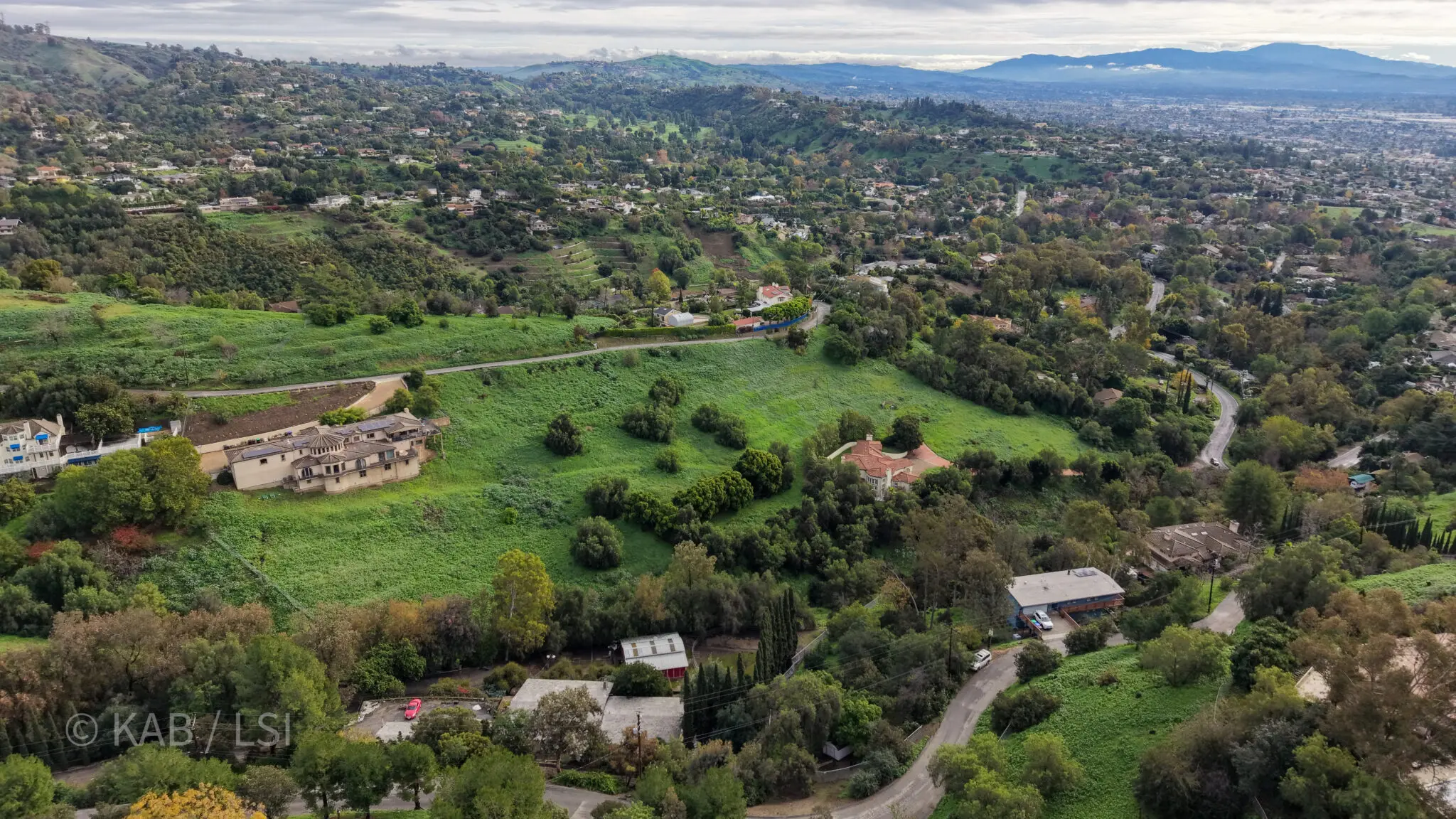
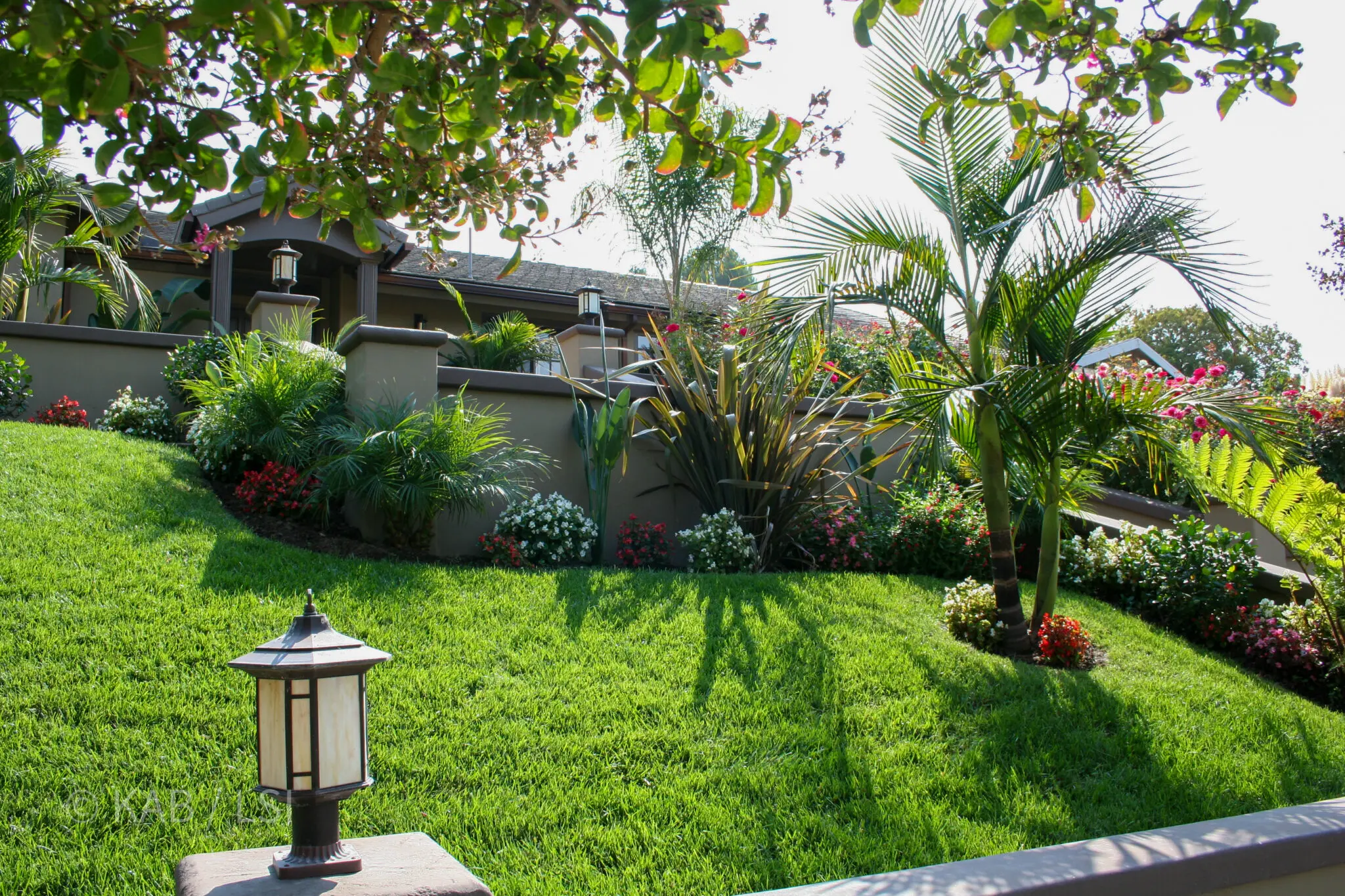
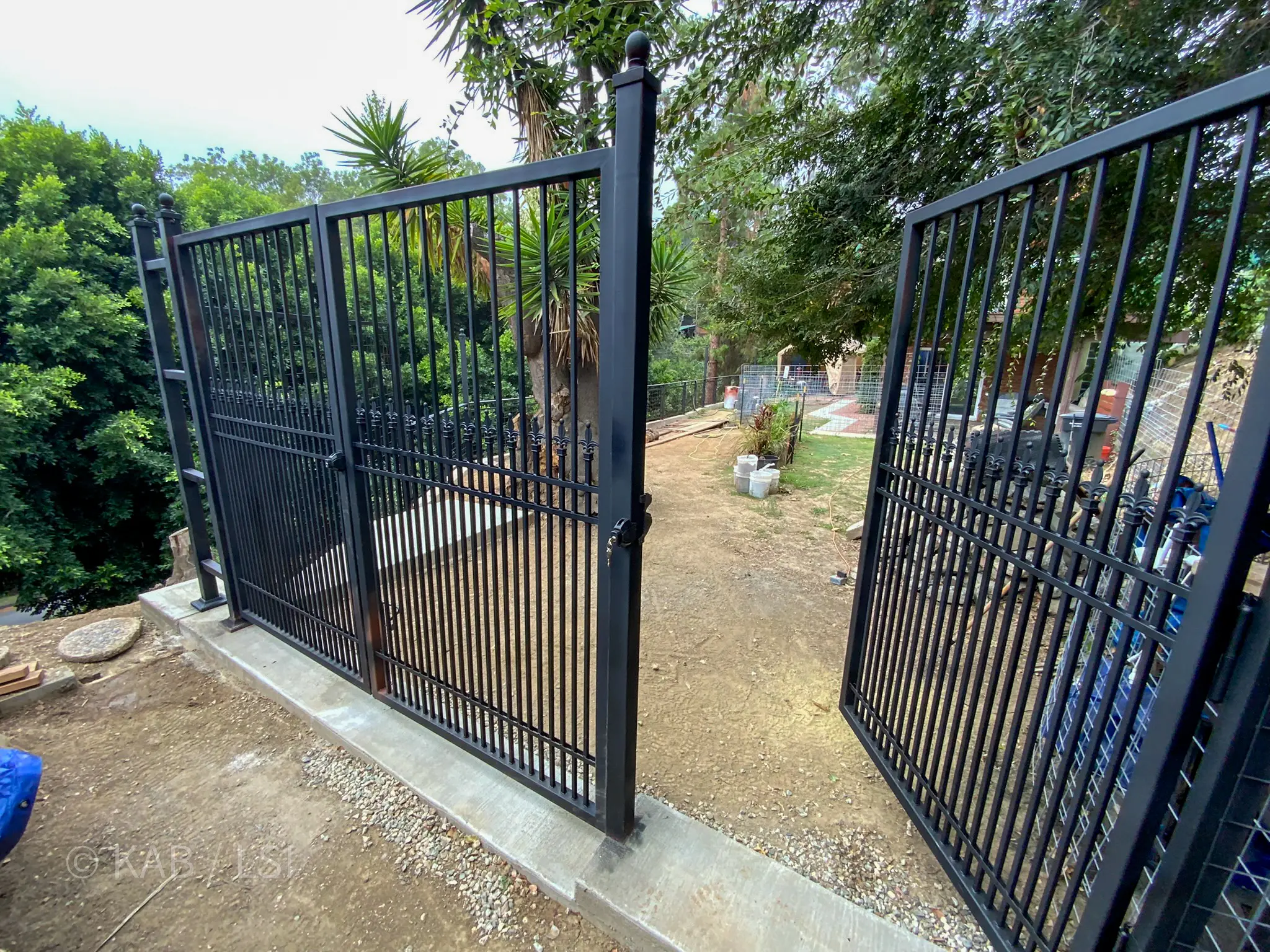
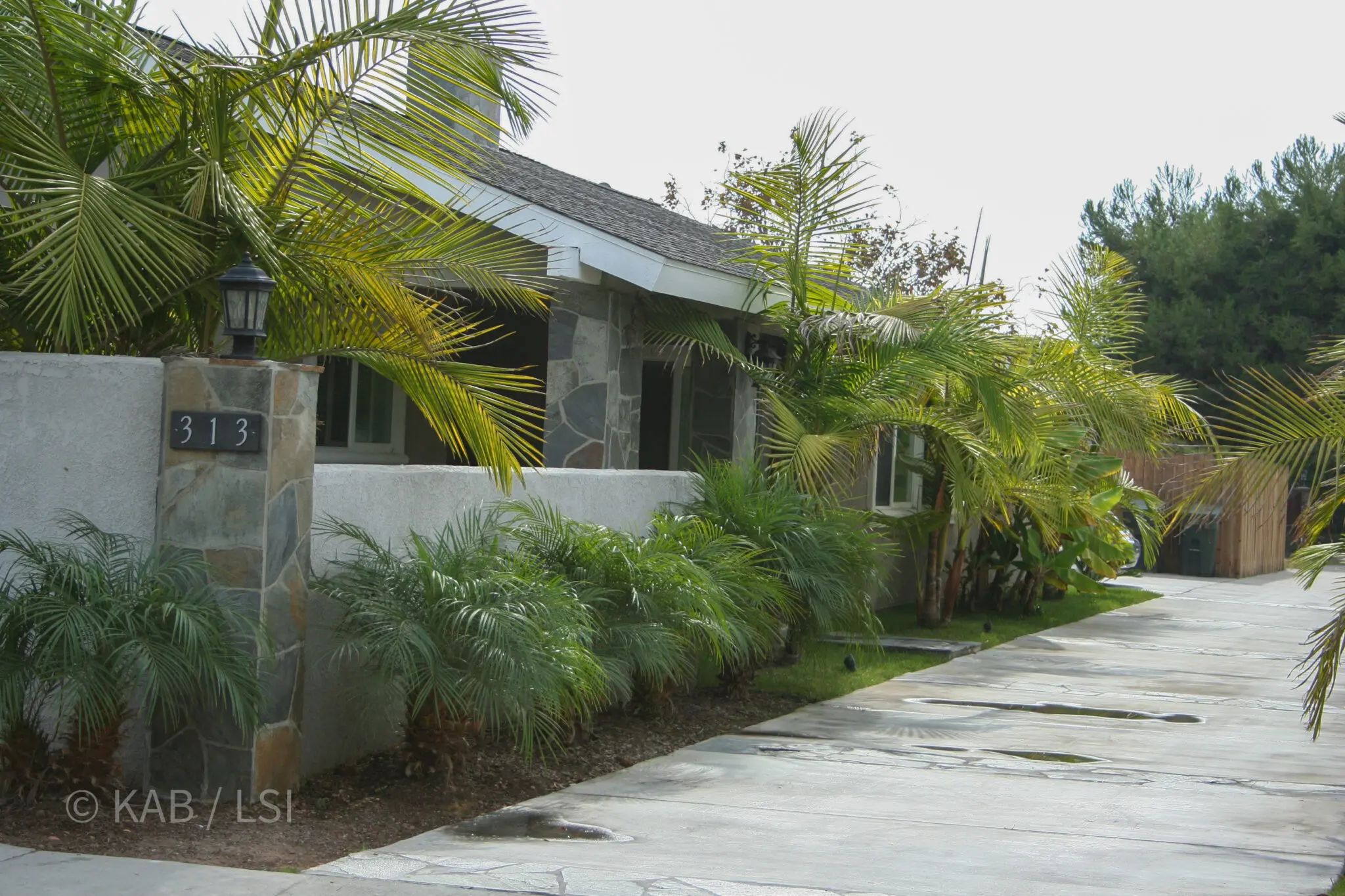
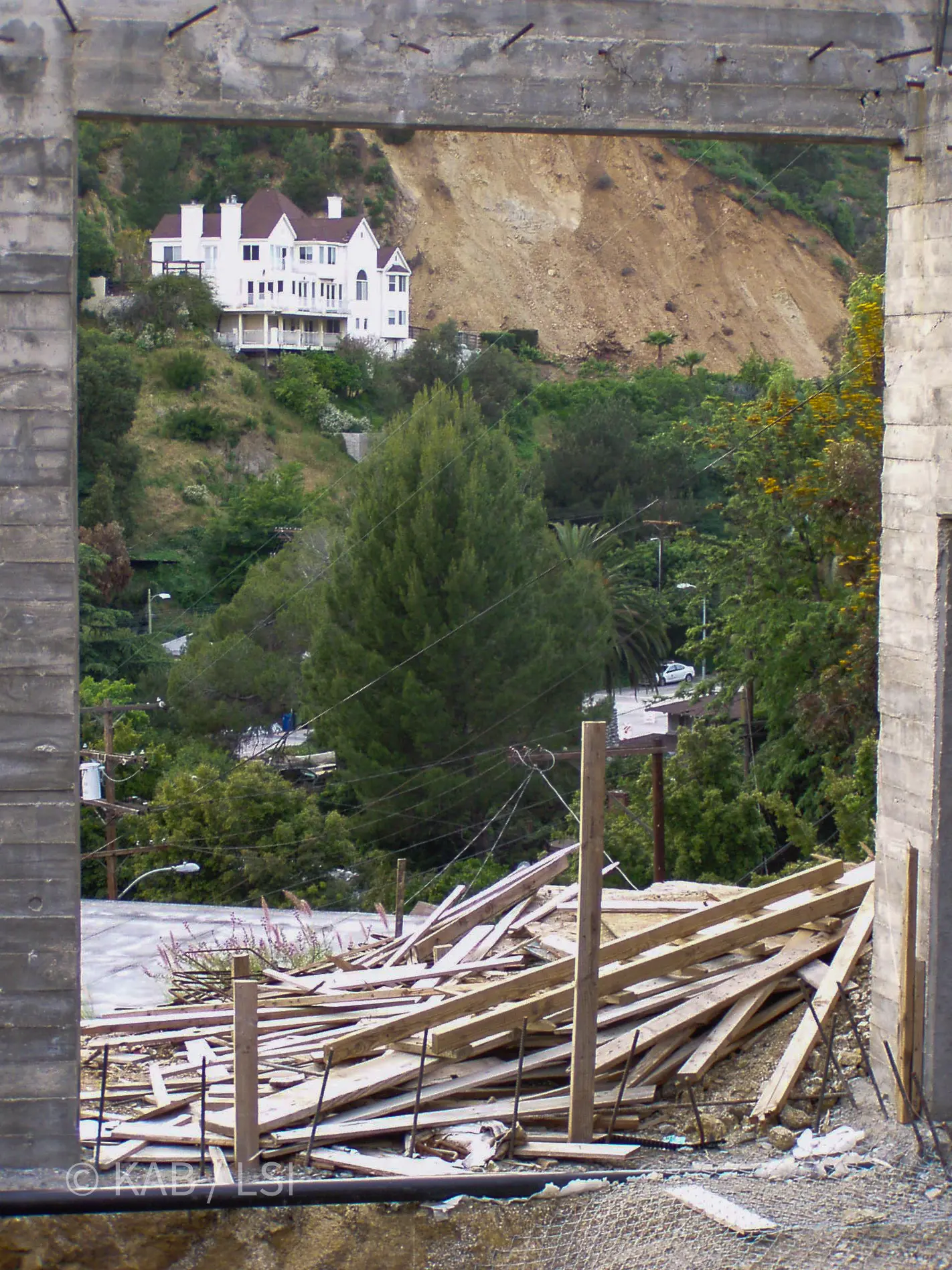
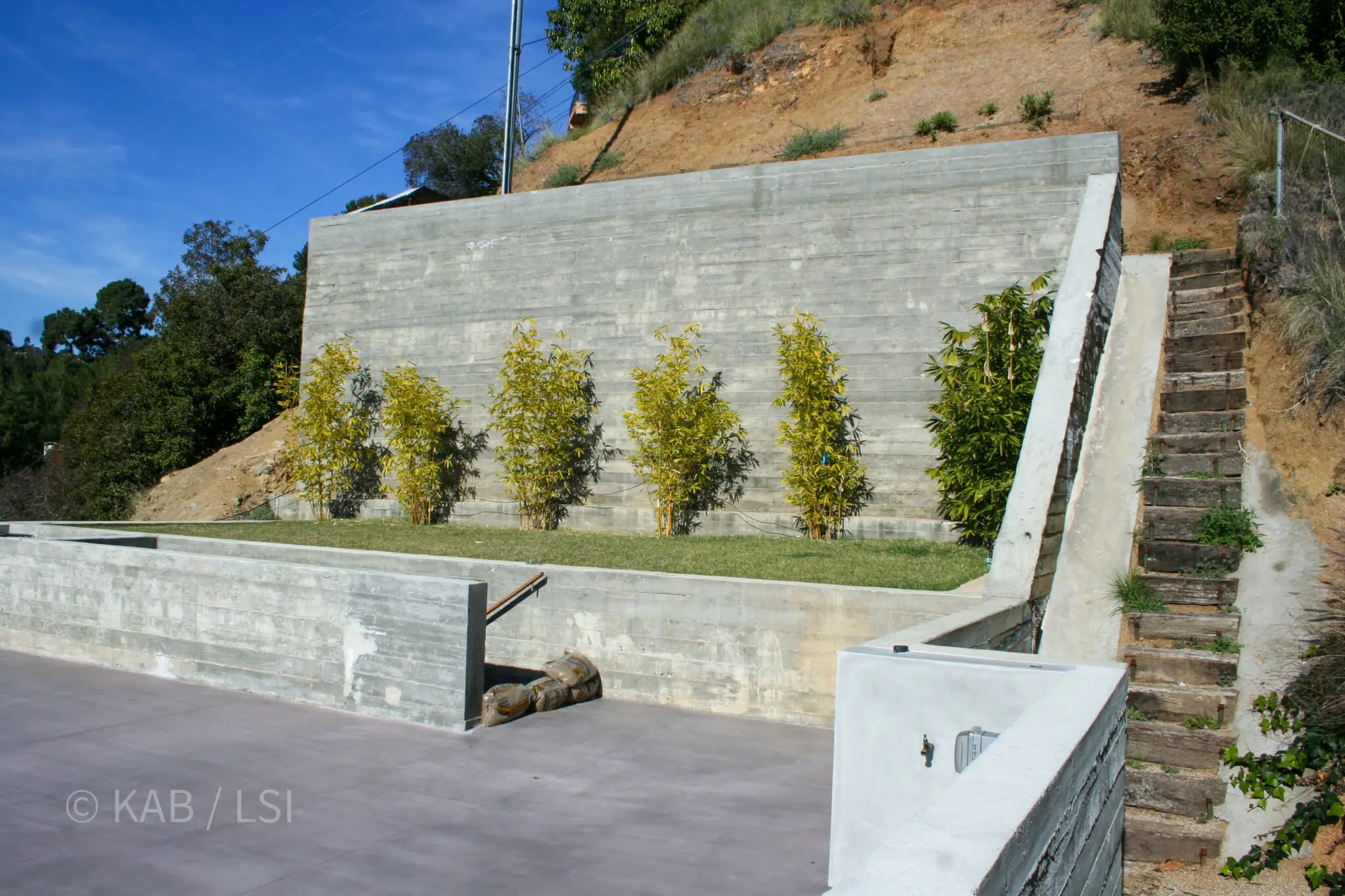
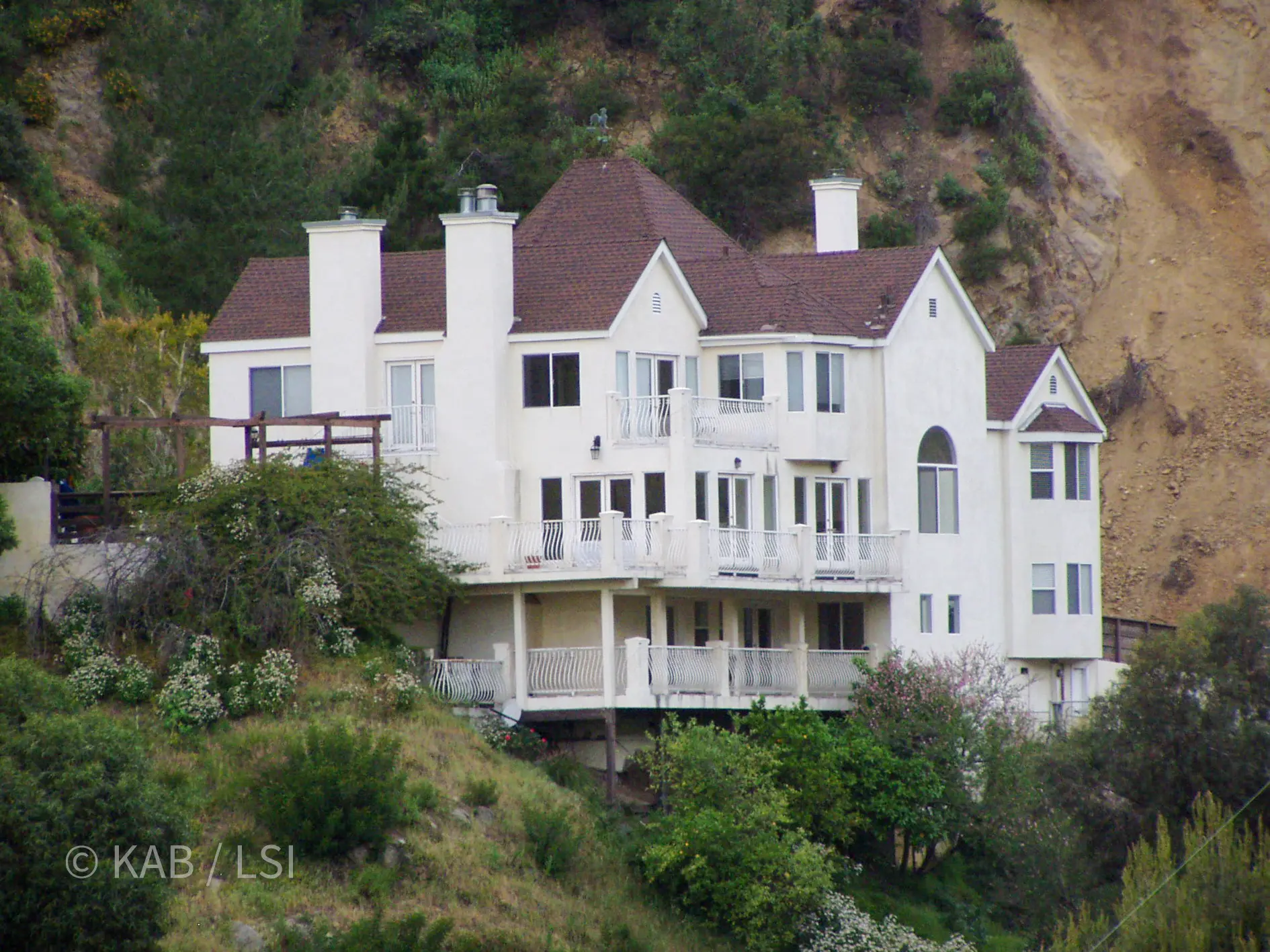
These photographs are from actual La Habra Heights and Southern California hillside properties — the terrain, slopes, and access conditions that define the fire defense problem on your lot.


Visualizing the defended
hillside property
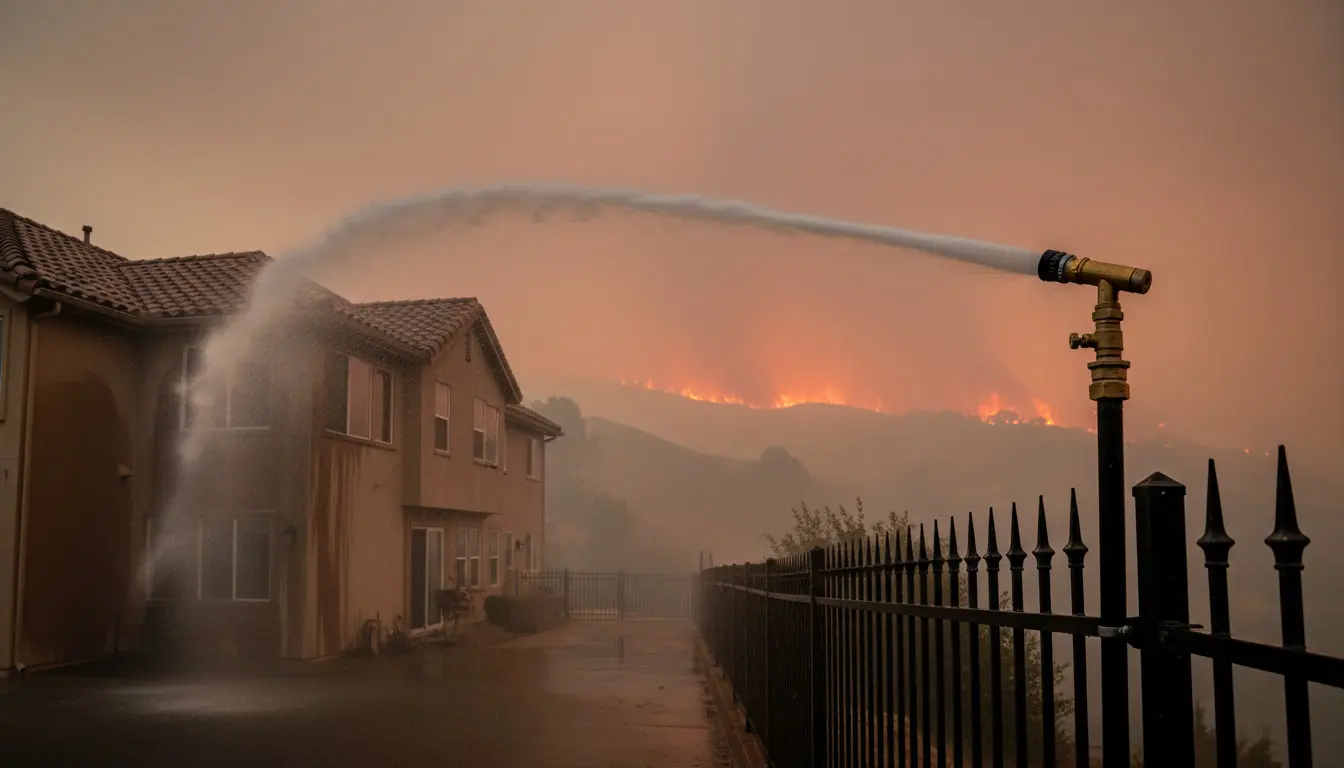
These AI-generated concept illustrations show how a fire-defended hillside property might look — a perimeter fence system, suppression infrastructure, and controlled access organized around a typical La Habra Heights estate.
They are conceptual only, produced to help property owners visualize the framework before a site-specific plan is developed.
A brass nozzle on the iron fence post — water arc hitting the house, flames on the hillside behind. The system working as designed. AI illustration.
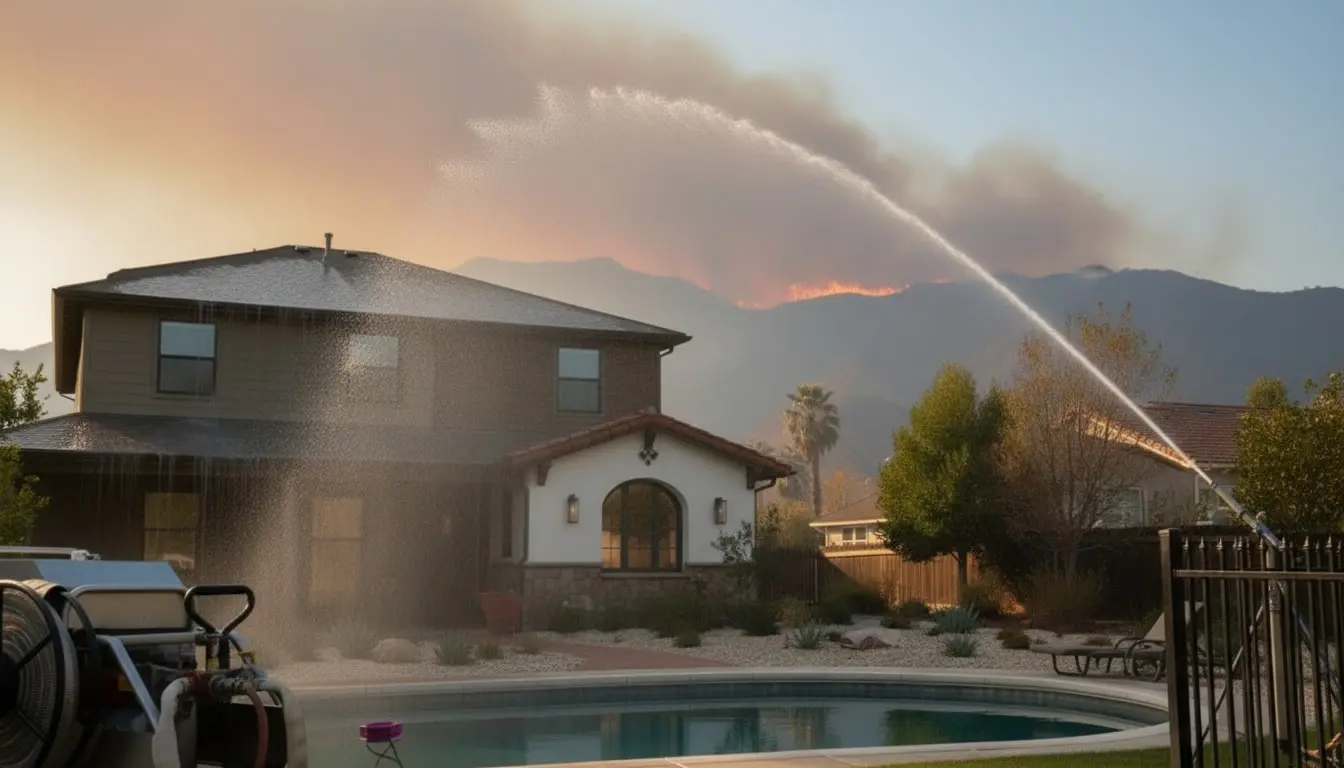
AI concept illustrations · Not photographs · © KAB/LSI
How a defended hillside
property is organized
The site plan below illustrates one approach to fire suppression and security on a typical La Habra Heights property — 1.5 to 2 acres, hillside lot, canyon exposure. The layout shows perimeter fencing, a controlled entry gate, pool-fed copper suppression lines, nozzle placement on both the inner security fence and the master suite yard, and the relationship between water source, pump house, and distribution. Every property requires a site-specific plan, but this framework captures the logic that applies across most LHH properties.
Advisory illustration only · Not a permitted engineering drawing · Keith Bennett · Private Spaces · La Habra Heights CA
What oversight of a fire-ready
property actually involves
The site plan is a conceptual framework. What translates it into a real property is ongoing attention — seasonal, methodical, and documented. Before fire season: brush clearance verification, nozzle pressure testing, pump fuel check, gate function test, coordination with your landscape contractor on Zone 1 maintenance. After fire season: assessment of any damage, review of what worked and what didn’t.
I work from a 13-screen security camera office in La Habra Heights. I watch properties remotely, drop in on site when contractors are present, and report directly to owners who aren’t available to be there themselves. For busy professionals who own a hillside property and can’t be present every week — that’s the gap I fill.
Fire defense infrastructure that isn’t maintained is worse than none. A nozzle that hasn’t been tested fails at the moment it matters. A pump with stale fuel doesn’t start. A clearance zone that was done once three years ago has grown back. The value of stewardship is exactly this: catching the gap before the event, not after.
Fire defense infrastructure that isn’t maintained is worse than none.
Keith Bennett · Private Spaces
The entry gate question comes up on almost every property I work on. Owners are sometimes reluctant — it feels like an inconvenience for guests, a statement about distrust of the neighborhood. What I tell them is this: the gate isn’t primarily about security. It’s about access control during an event, and about defining the perimeter that fire personnel will work with.
On hillside properties, the gate is infrastructure — the same category as the copper lines and the pump.
Keith Bennett · Private SpacesA controlled entry with a coded gate and clear driveway clearances gives Cal Fire a staging point. It gives you an evacuation route that isn’t blocked by well-meaning neighbors. It gives the suppression system a defined perimeter to defend. On these properties, the gate is infrastructure — the same category as the copper lines and the pump.

The house that didn’t wait for the fire truck.
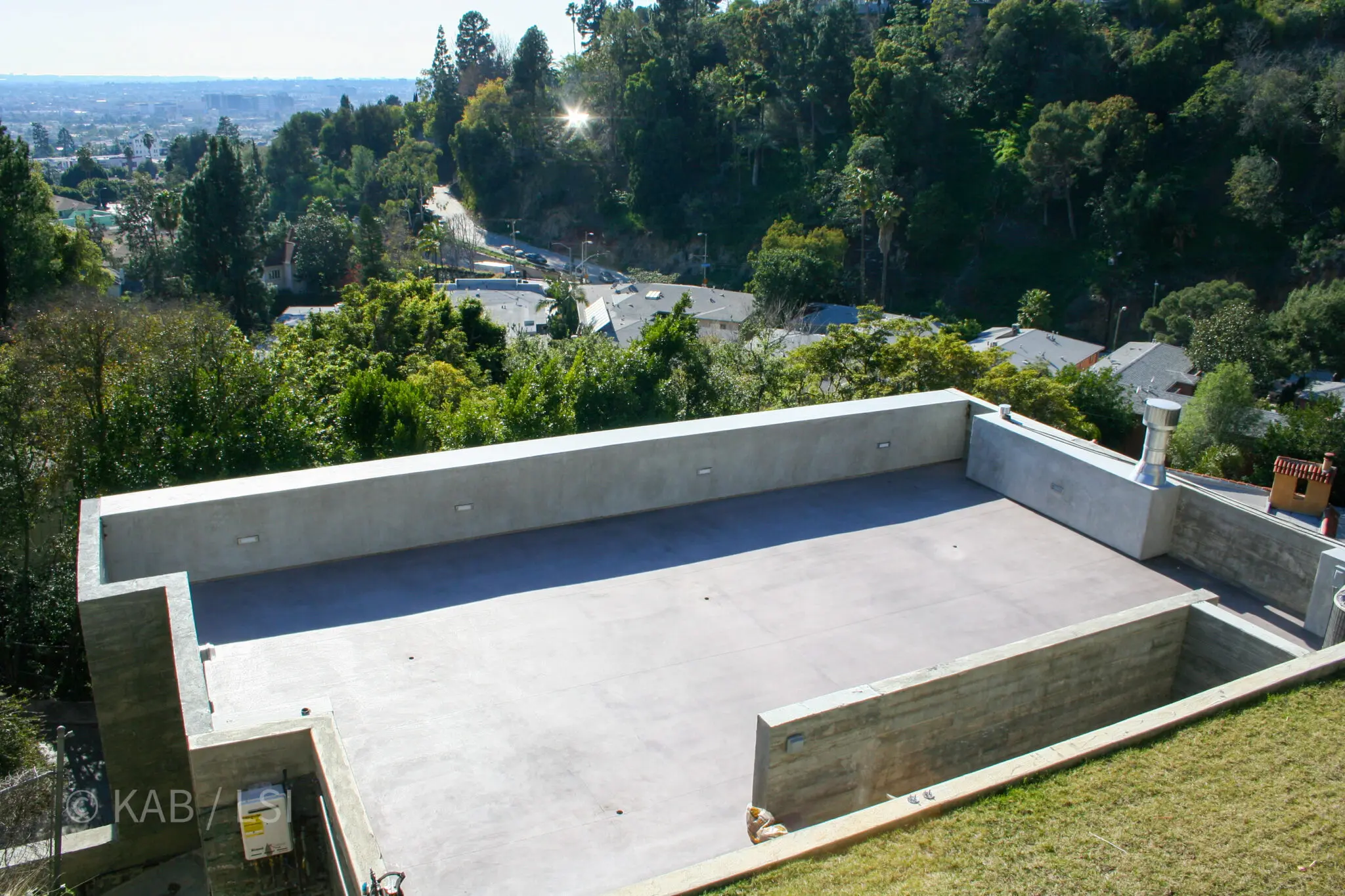
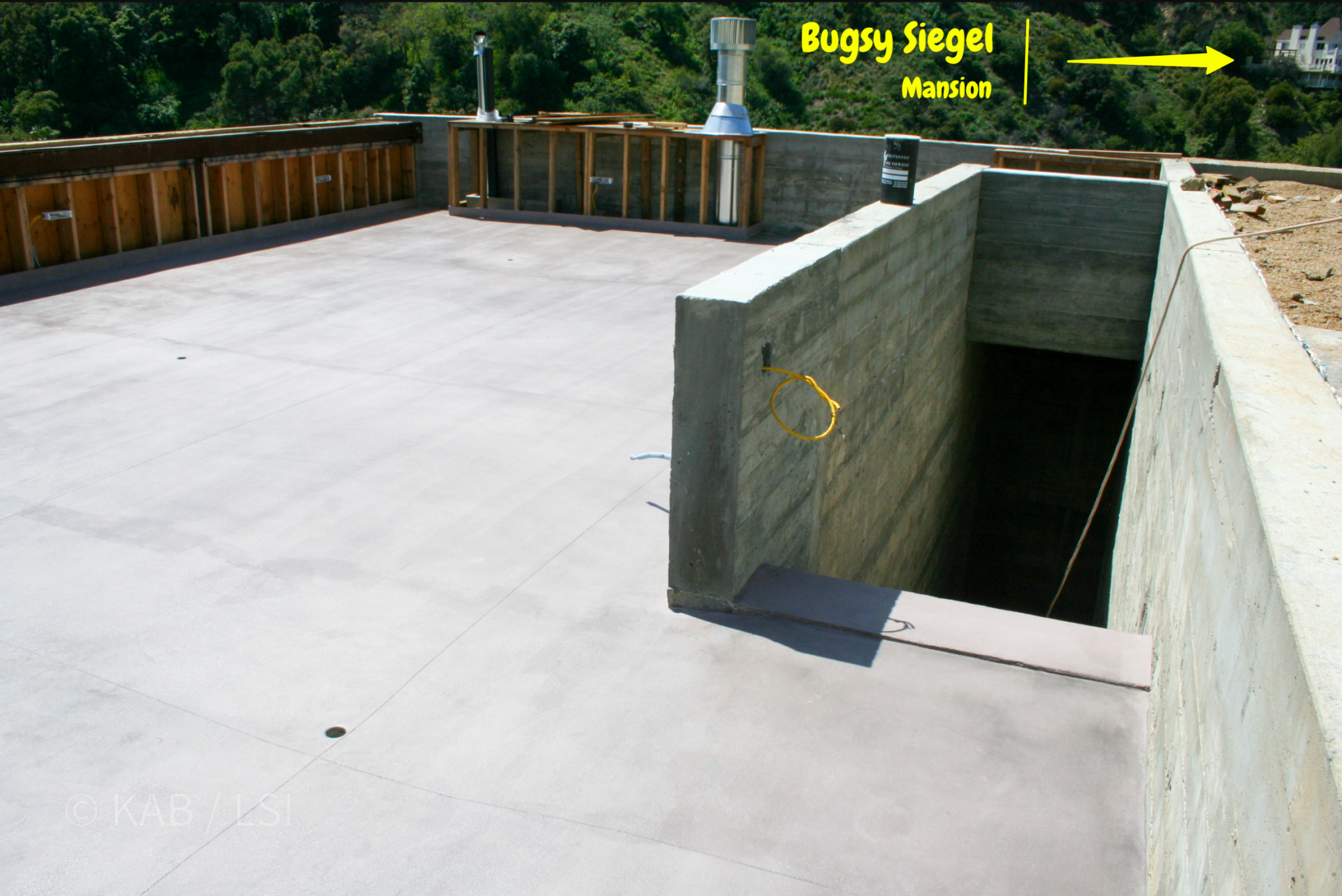
In the canyons above Beverly Hills, the fire department was honest with the homeowners we built for: the roads were too narrow and too steep, and on the worst day a truck might not make the climb in time. A house up there couldn’t count on being defended. It had to defend itself.
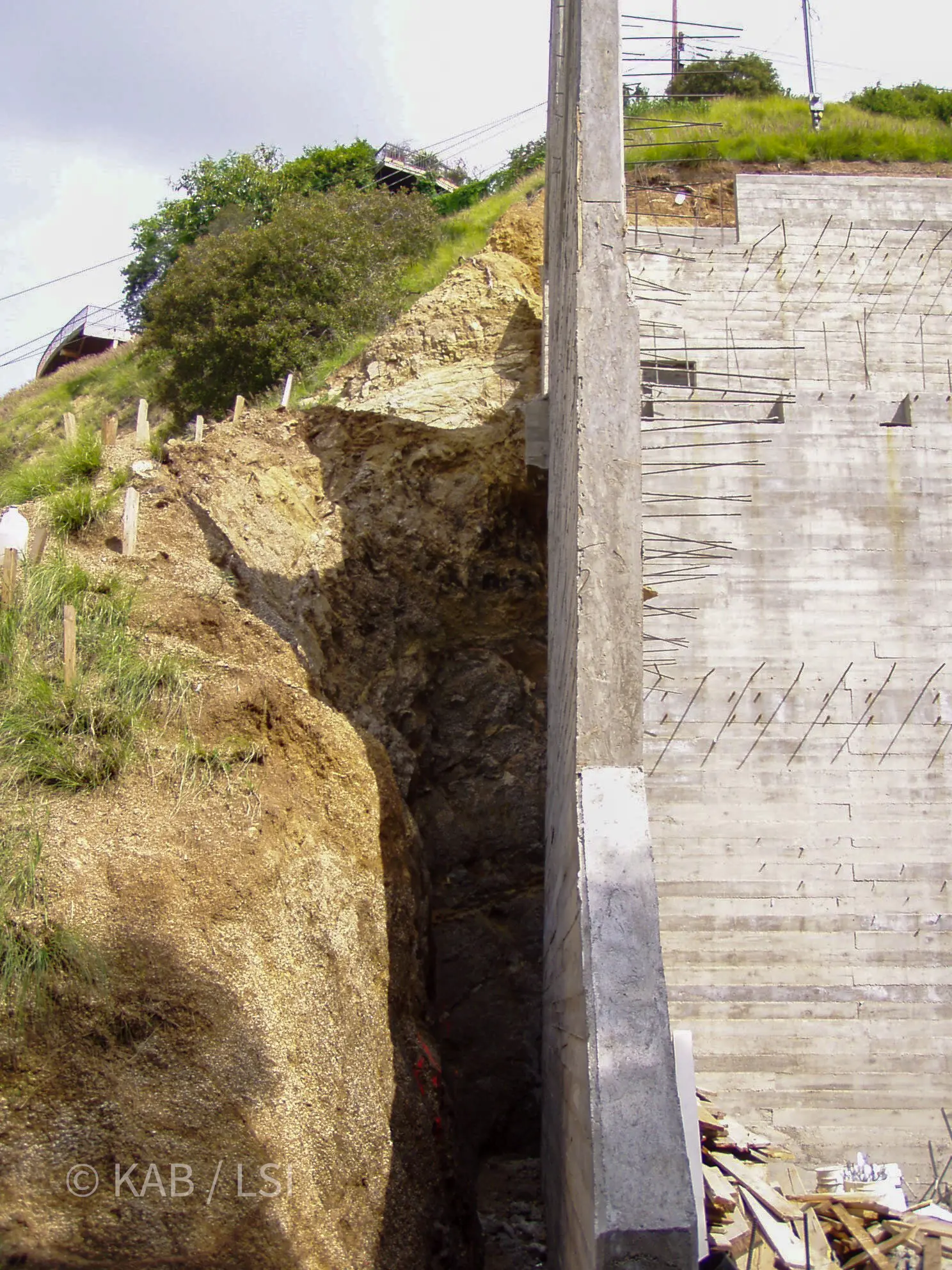
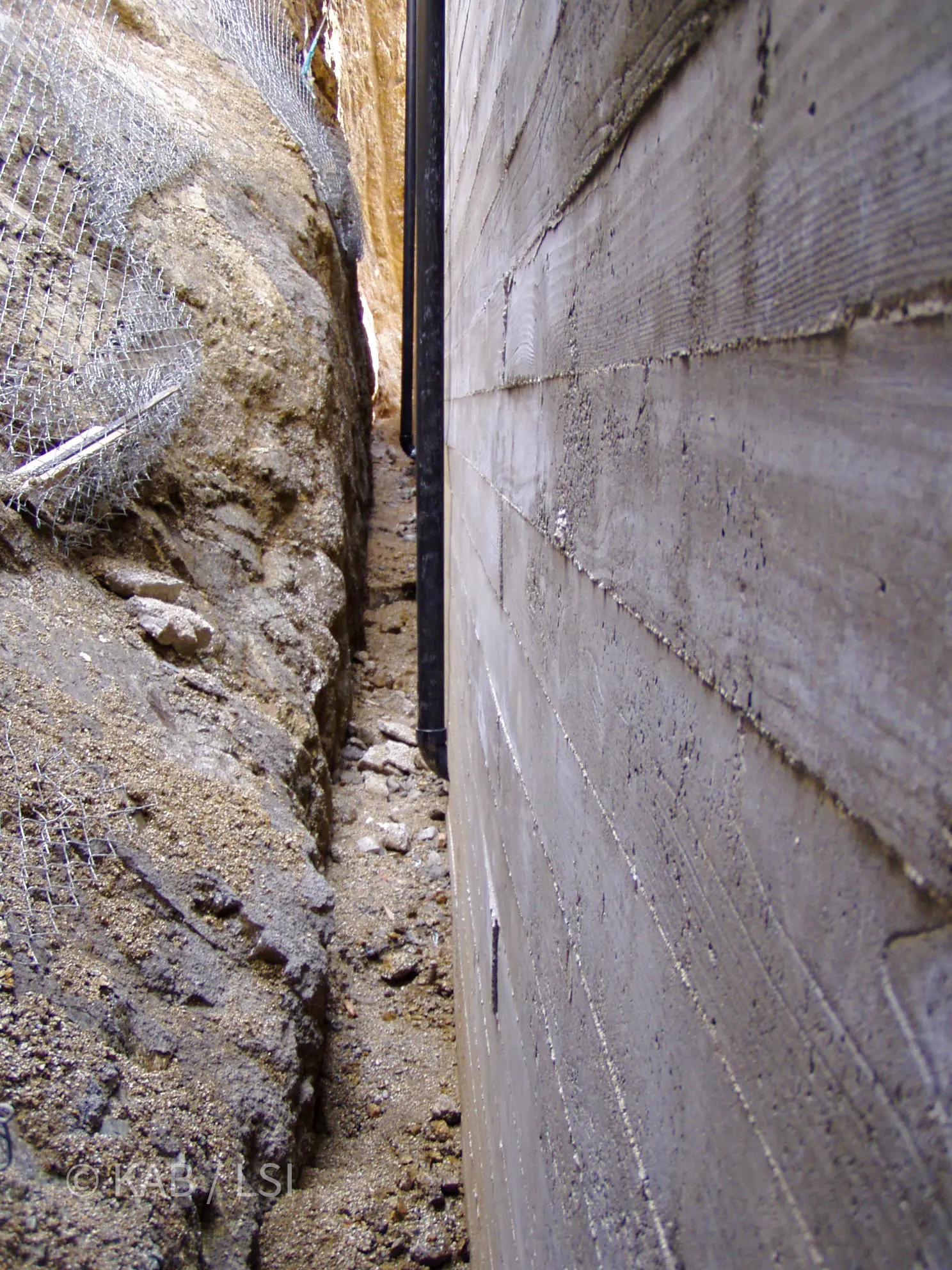
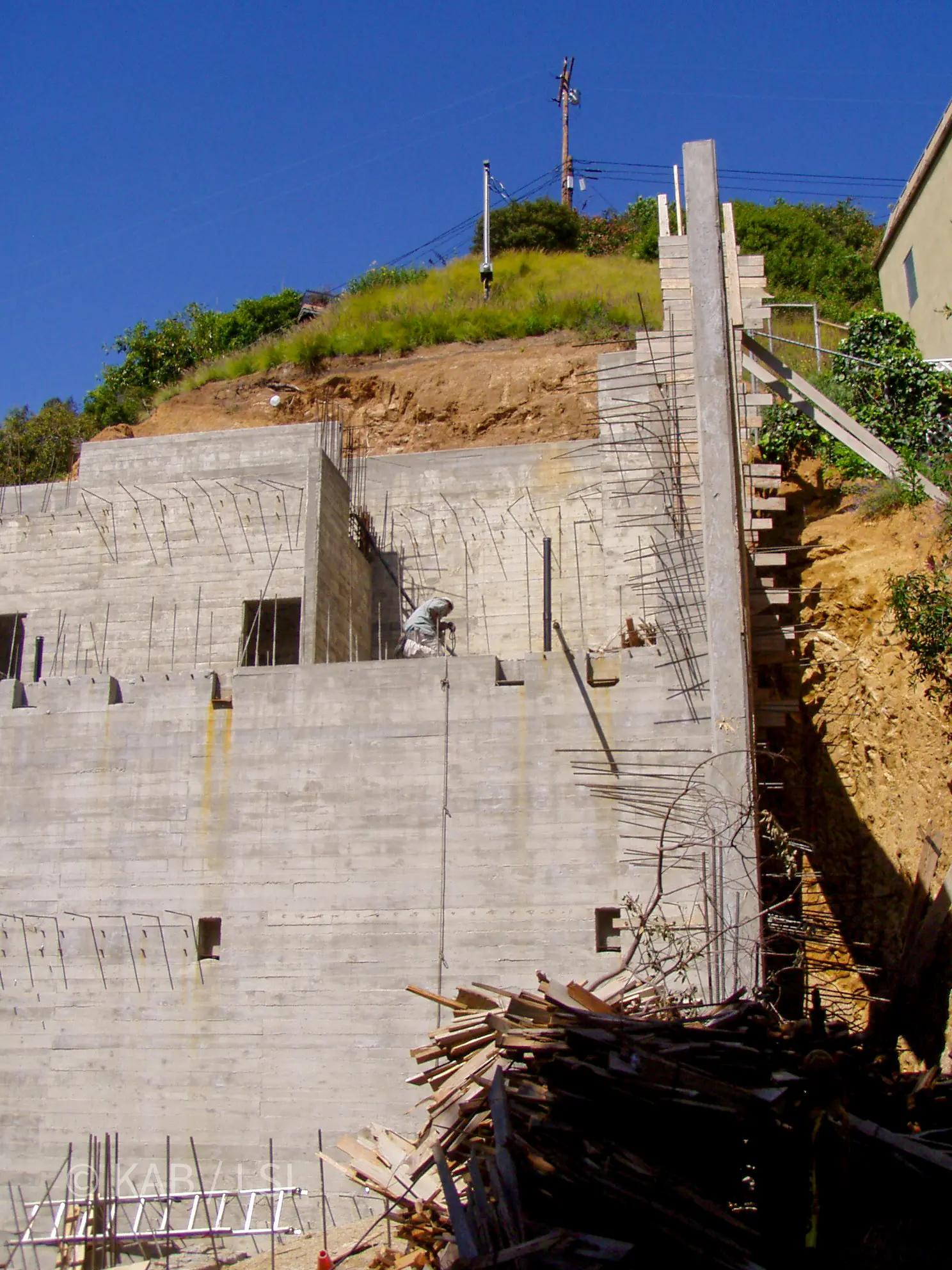
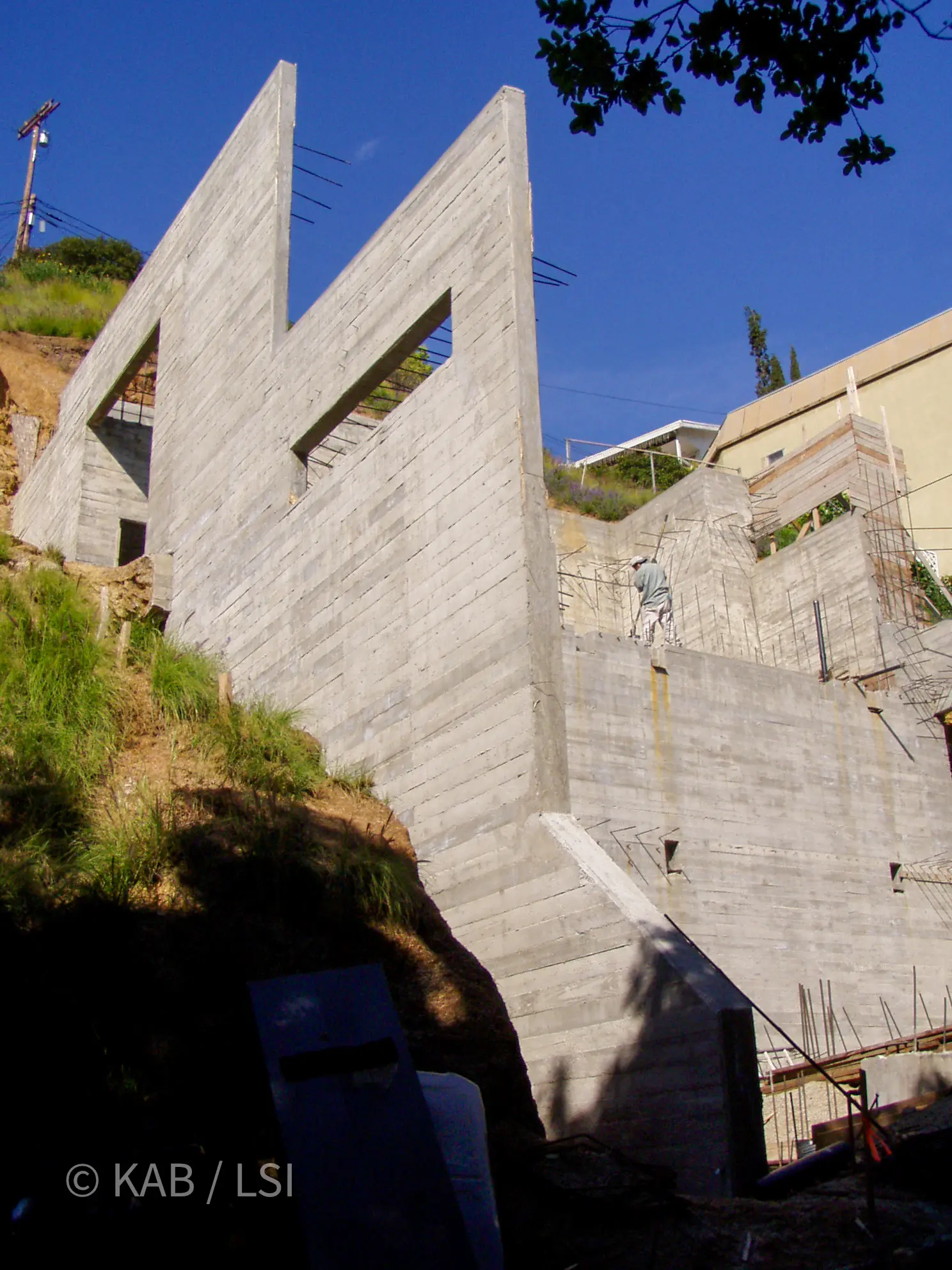
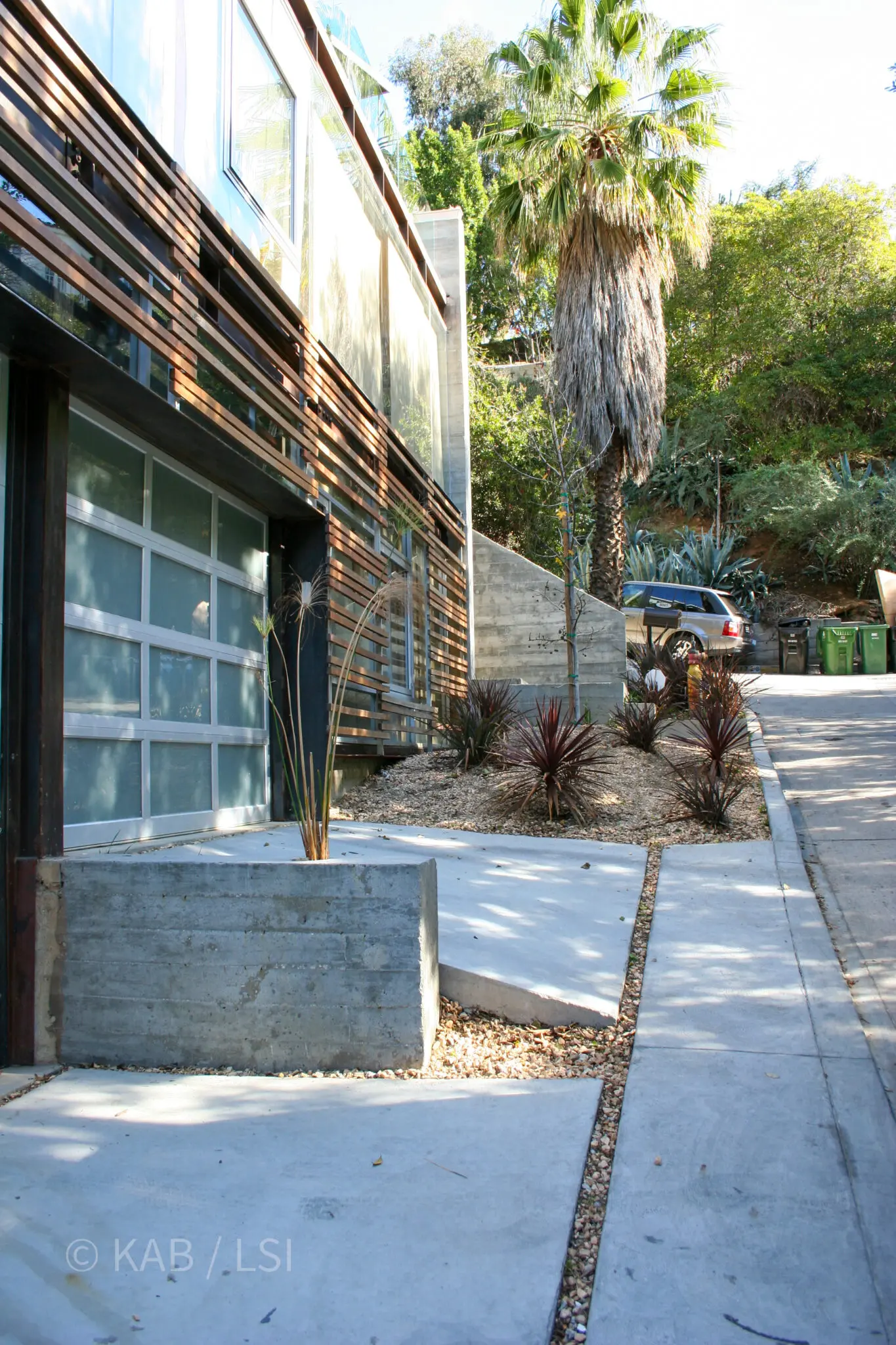
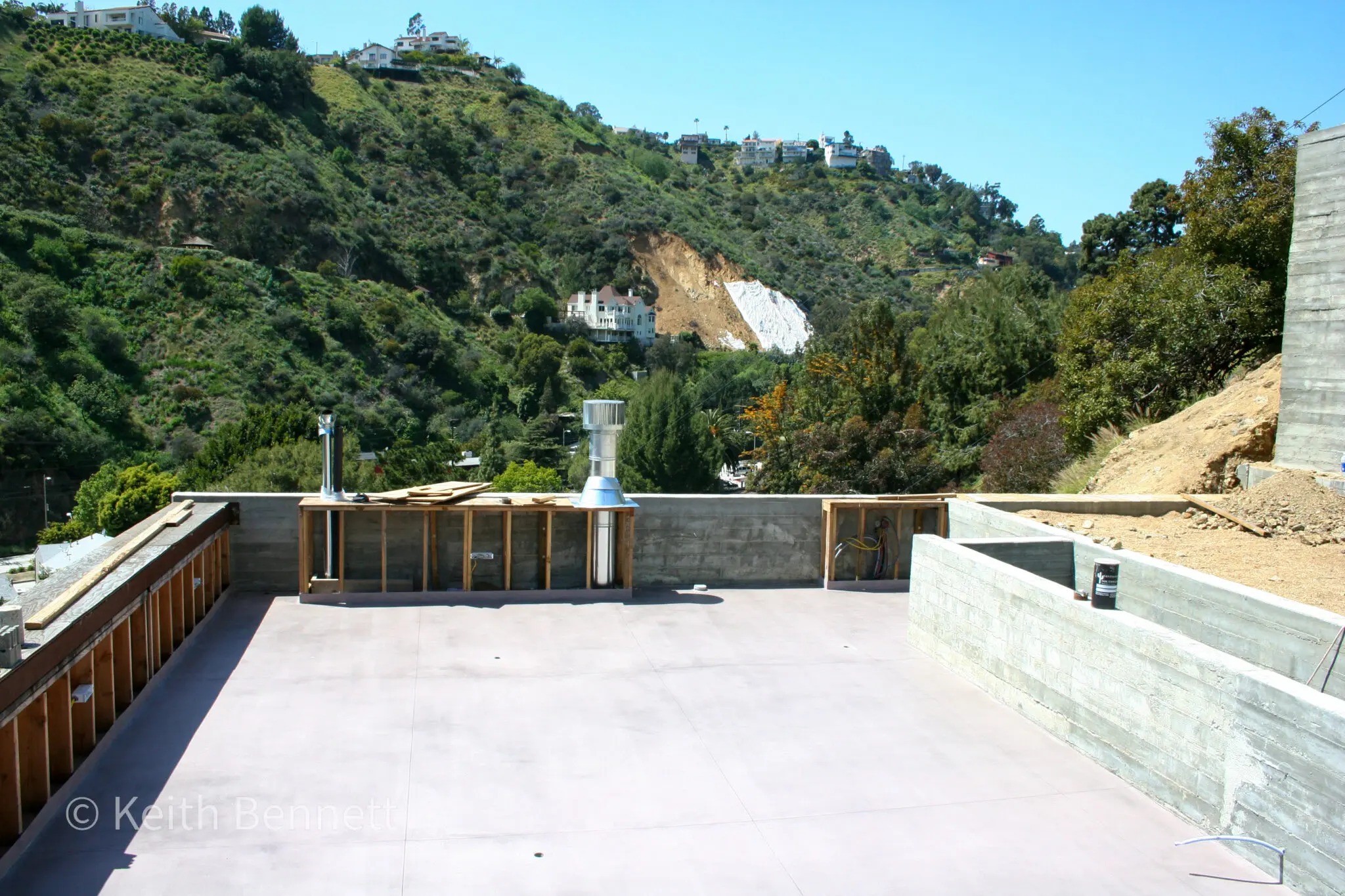
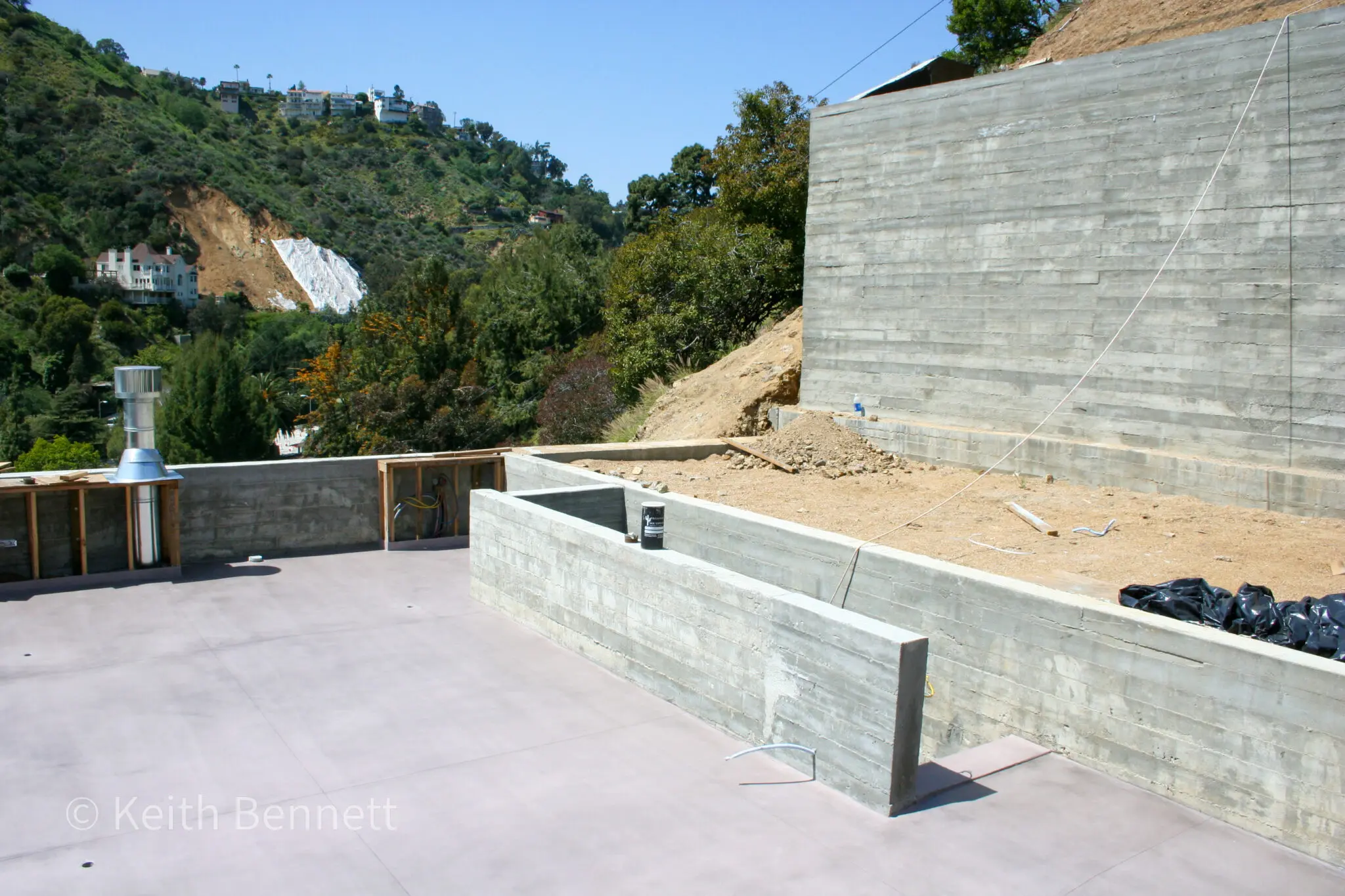
I didn’t design these houses, and they weren’t mine to build — I came onto several of them as one of the architect’s subs. He was a remarkable one: high-end concrete, steel, and glass, drawn to the beaches and the canyon lots nobody else would touch, the parcels that had sat unsold for years. The portfolio has only grown since. His answer to ground that could burn or slide wasn’t to frame a house and hope — it was to pour one. Foundation, back wall, side walls, the front, the roof: cast-in-place concrete and structural steel, with glass only where the view earned it. Everything that faces the elements is stone. There is almost nothing on the outside of these homes for a fire to take.
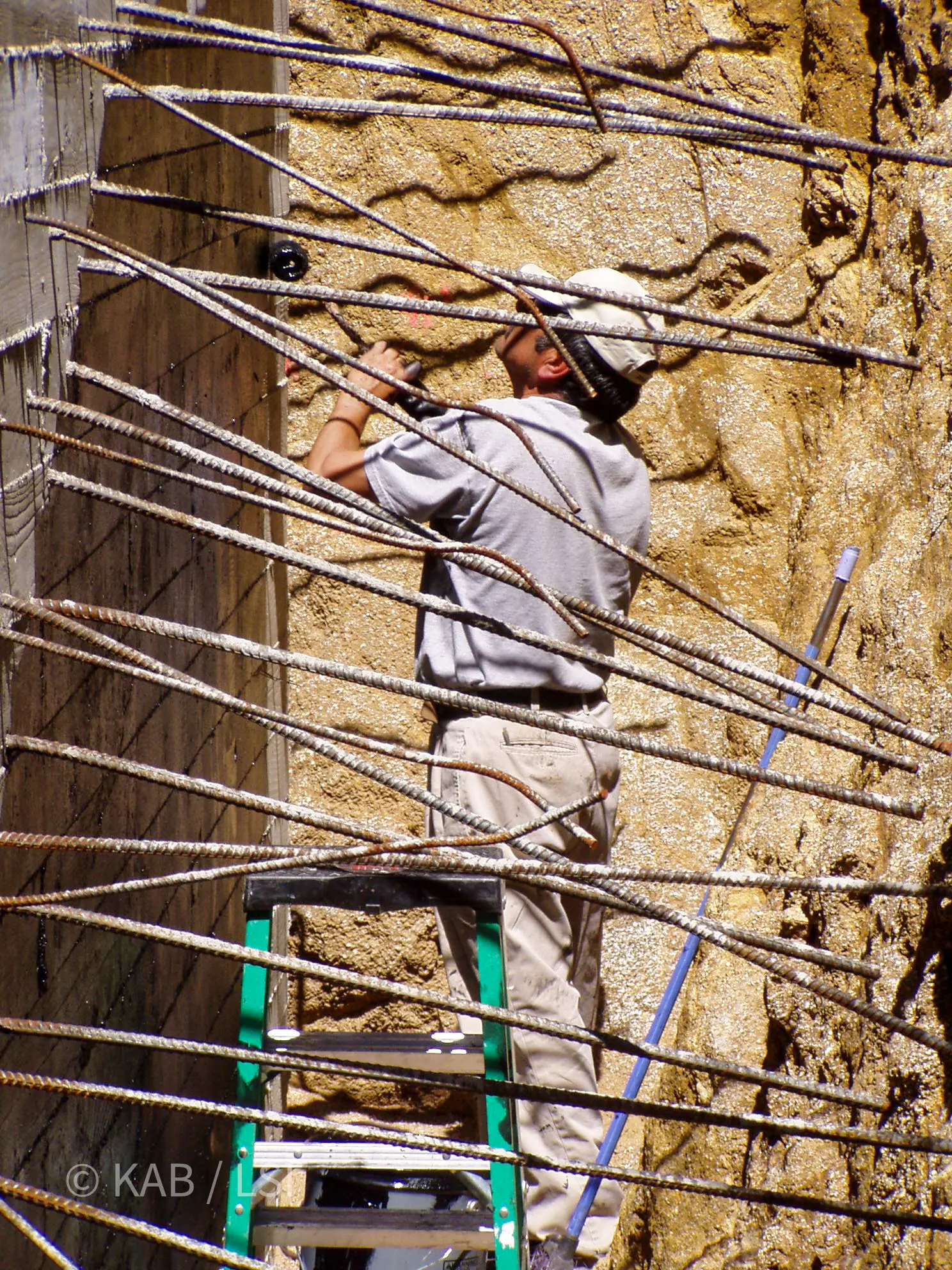
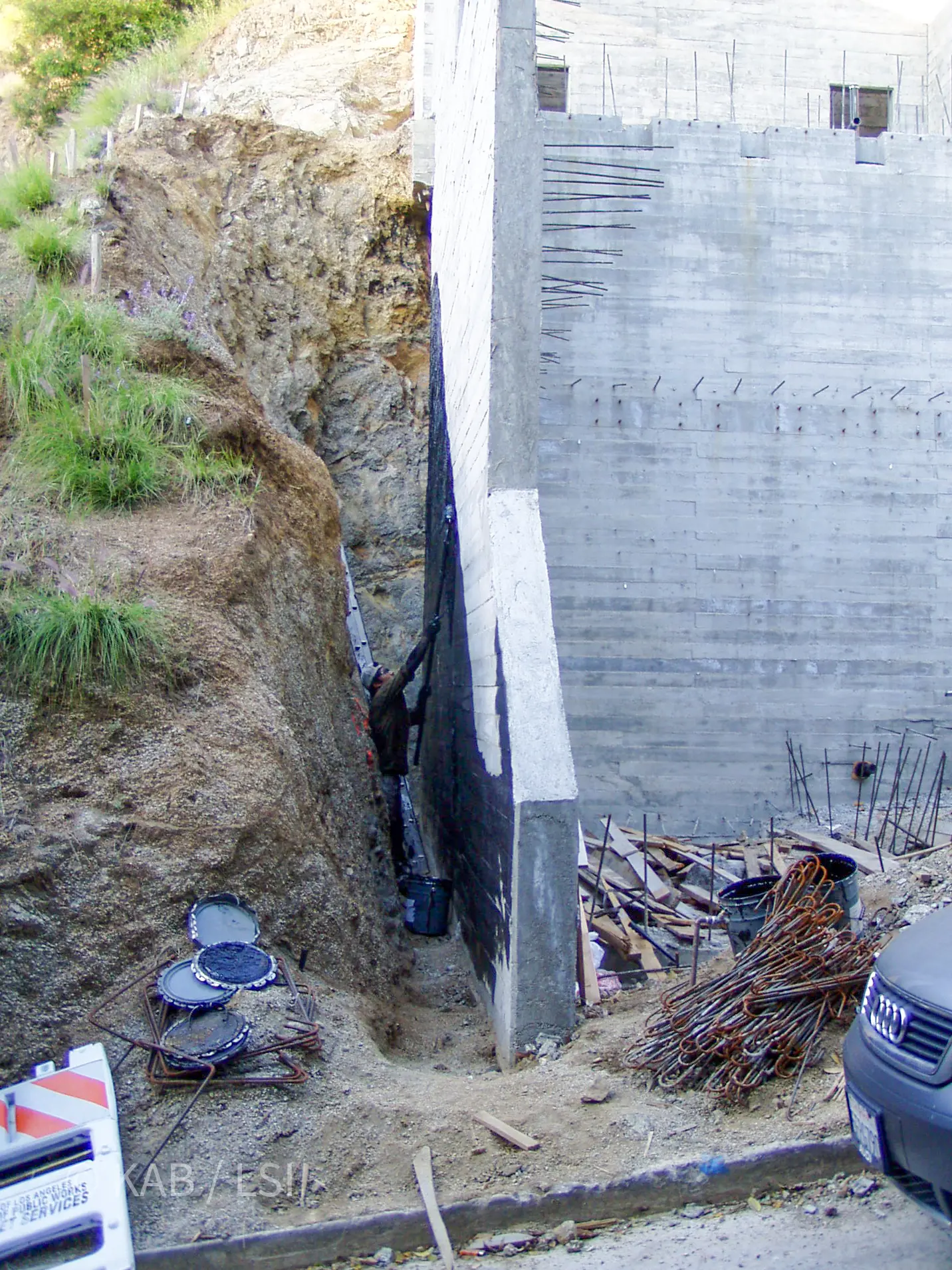
This particular lot had been called unbuildable — granite bedrock rising straight from the curb. We cut into it, chipped out a footprint, and poured the concrete directly against the rock: three stories anchored in the mountain itself, an observation deck on the fourth level, a small lawn above that. It will never slide, and there is little on it that will burn. The same principle runs through the rest of this page. The slider below shows the build, from the first cut in the granite to the finished deck.
The System — Layer by Layer
Fire appears on the hillside. The pool-fed pump pressurizes. Roof and eave nozzles create a water curtain over the structure. Then the inner fence corner nozzles activate — sweeping inward to protect the house, sweeping outward to cool and defend the suppression hardware itself.
Inner fence to house wall: 30 ft (design spec)
Eave nozzle throw (vertical): ~18–22 ft
Roof nozzle throw (down slope): ~12–16 ft
Outward fan cooling radius: ~40–60 ft into landscape
* All distances approximate — pending hydraulic engineering
* Enclosure design subject to fire engineer review
Is your hillside property
ready for fire season?
One short conversation covers the property, the terrain, the current state of your defensible space, and what the next right step is. No pitch — just an honest read.
Send a 1-paragraph noteNo charge to begin. The in-person stewardship review is priced in conversation.