What neighbors
are building.
After 45 years on hillside properties up here, I’ve seen what people actually want — and what they actually do. This is not a services menu. It’s a plain-English tour of what your neighbors have been asking about, planning, and building. If something on this list sounds like your property, that’s probably where we start.
The thing about private spaces
People are more at home in their detached private spaces than in their own home, some part of every day or every night. Plural, because once you have one you build another. The property becomes a place you walk through, not a house you sit in — a small adult Disneyland for the family that finally has the acre or more to spread out on.
Spas & swim spas
outside the bedroom.
“I’ve wanted a spa outside my master bedroom for ten years. I just never knew who to ask or where to start.”
This is one of the most requested projects up here — and one of the most straightforward to get right when you sequence it correctly. A spa set into the hillside just outside the master suite, accessible through French doors or a private gate, is something LHH properties are built for. The elevation, the privacy, the view — it’s all already there.
Swim spas are a different conversation, especially for homeowners 55 and older who want low-impact daily exercise. Swimming against a current for 20 minutes a day changes everything — mobility, sleep, weight, mood. Many neighbors who could never justify an 18-foot pool have found that a swim spa fits exactly where a standard spa would go, and does far more.
- Site selection matters — drainage, access for delivery, slope stability
- Electrical run from panel to spa location must be planned before concrete
- Surround hardscape — pavers, stone, or concrete — done at the same time
- Swim spas require a level pad; we design that into the slope
- Coyote-proof fencing around the spa zone if pets are in the picture
- Lighting along the path from house to spa — safety and atmosphere
The home office
that doesn’t need a permit.
“I need a real place to work. I just don’t want a $200,000 construction project.”
In California, structures under 120 square feet don’t require a building permit. That’s a 10×12 room — which, done properly, is more than enough for a serious home office, artist studio, telehealth suite, or attorney’s meeting space.
The key is treating the 120 square feet as a starting point, not a limitation. Throw open the doors to a paver patio and you’ve effectively doubled the usable space. Add a mini split for year-round comfort, a coffee bar, proper lighting, and high-quality finishes — and the space feels like something you’d pay $1,500 a month to rent in a professional building.
Many attorneys up here now work entirely from home. When they need to meet a client, they can direct them — by email, with a photo — to a specific gate that leads down a private path to the office. The client never sees the house. The office has its own entrance, its own atmosphere, its own address on the property.
Under 120 sq ft = no permit required. Add a paver patio outside, a mini split inside, a coffee bar in the corner — and you have a workspace that most professionals would envy. Start to finish: weeks, not months.
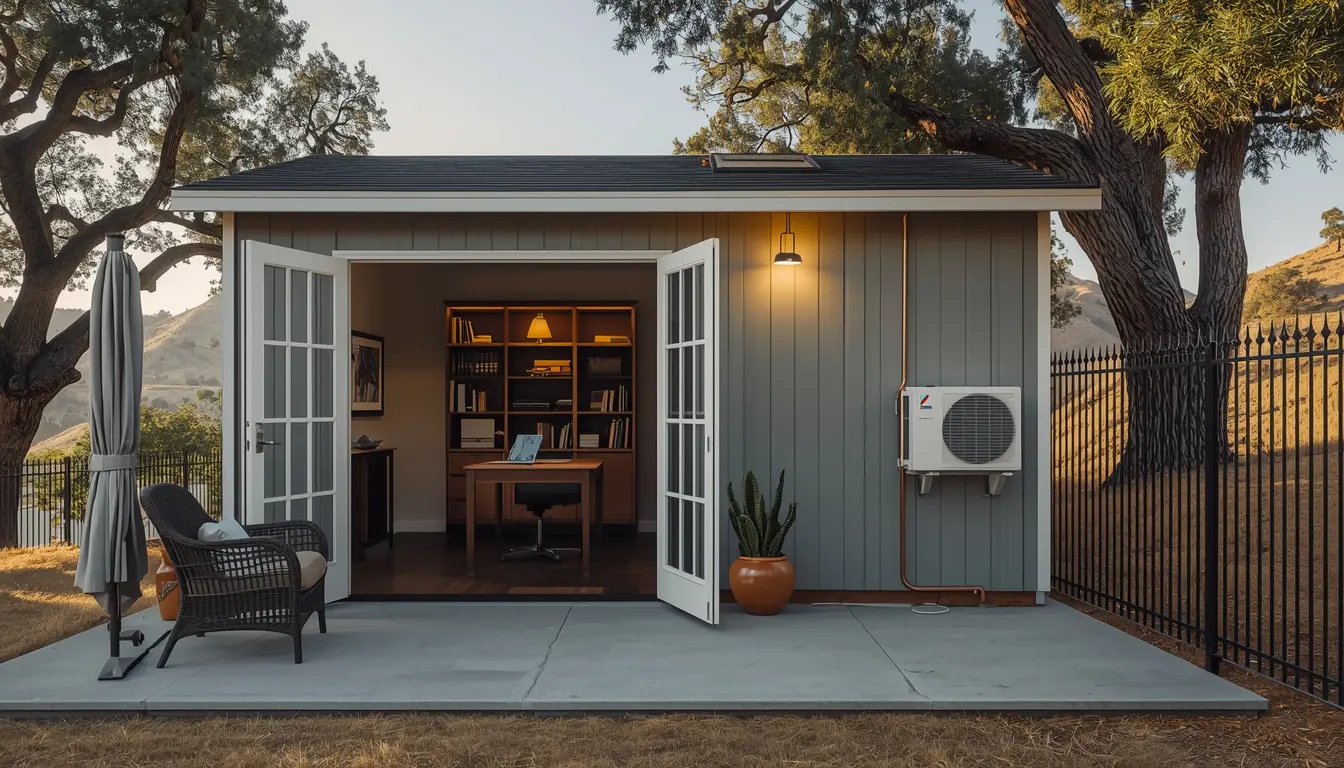
The finished result — professional workspace, mini split comfort, French doors to the hillside · © KAB/LSI concept
Before you order the shed — read this.
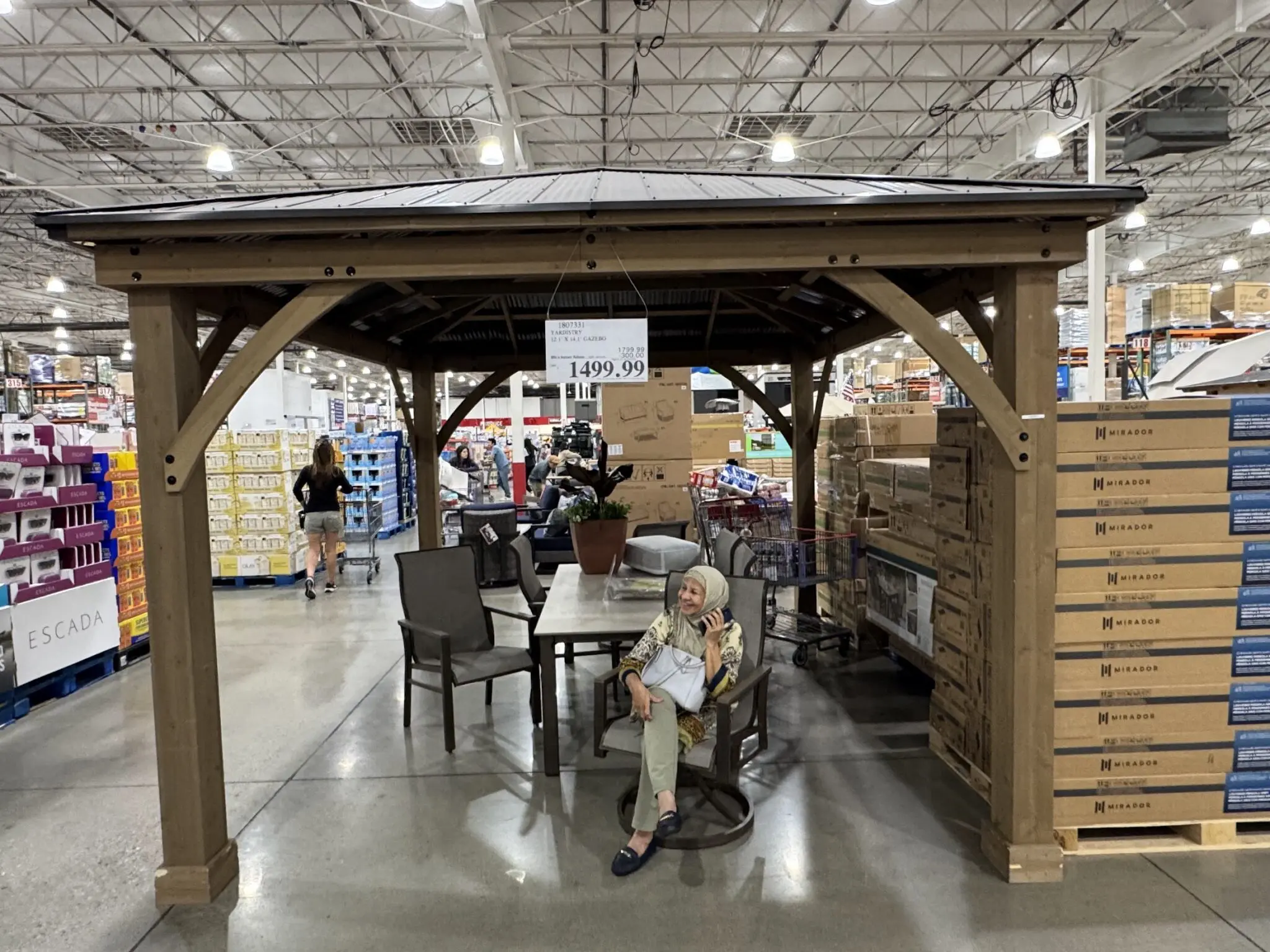
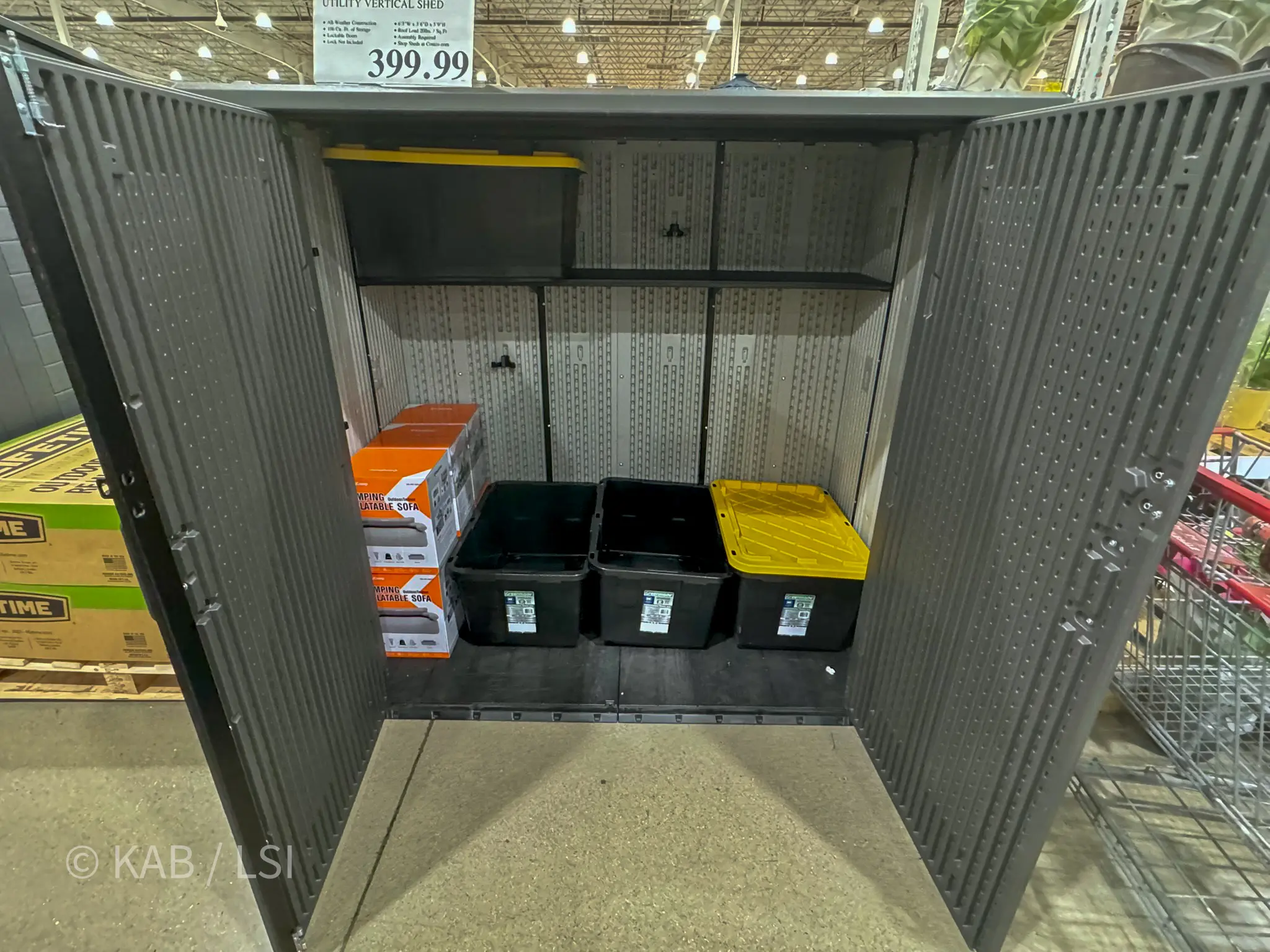
Most neighbors see a beautiful shed at Costco or Home Depot and order it without a plan. It arrives. The son-in-law assembles it on dirt, on gravel, on blocks. The doors won’t close. The floor won’t stay flat. Clay oozes up in the first rain. The right sequence: location, utilities, concrete pad — then order the shed.
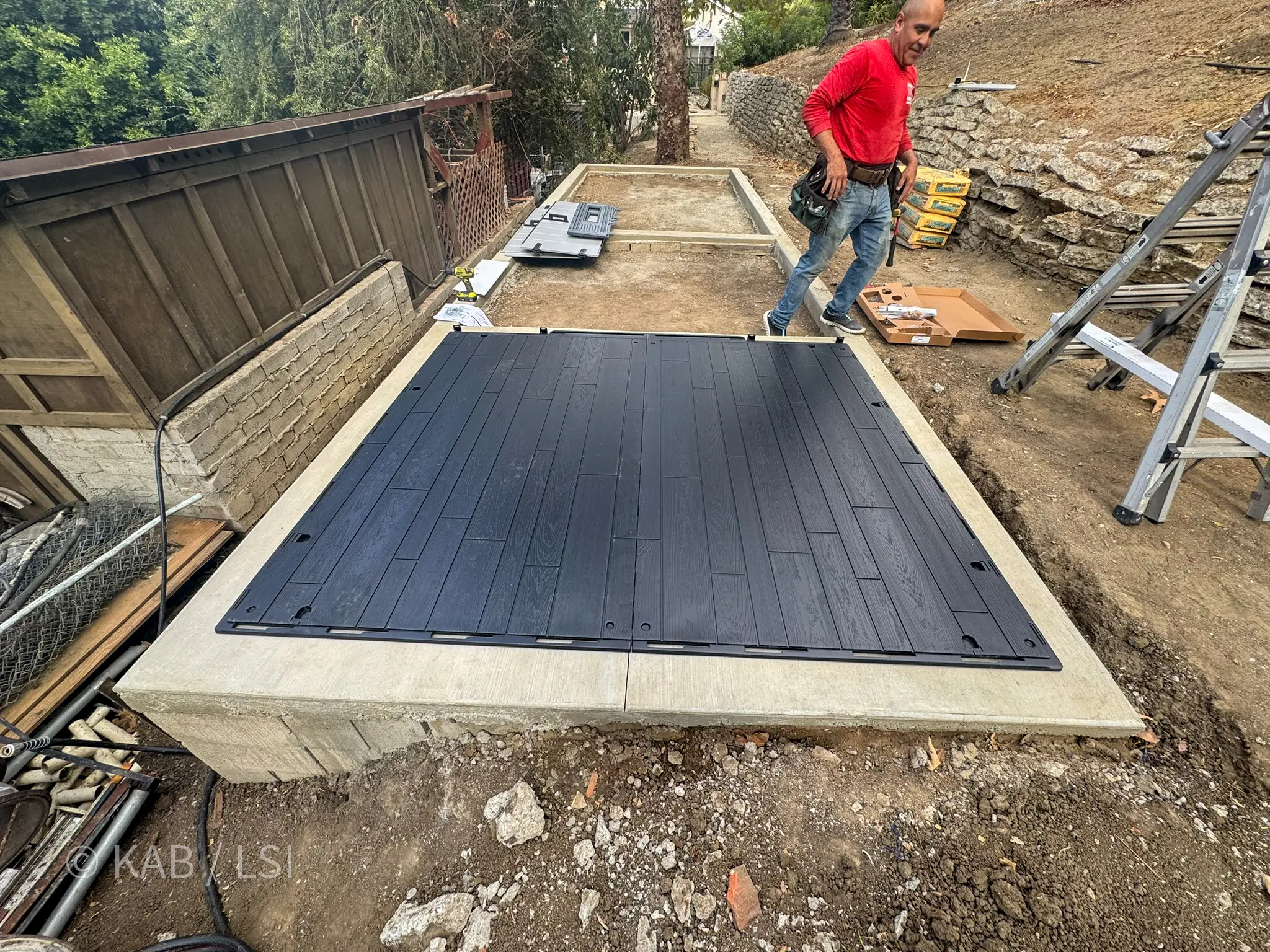
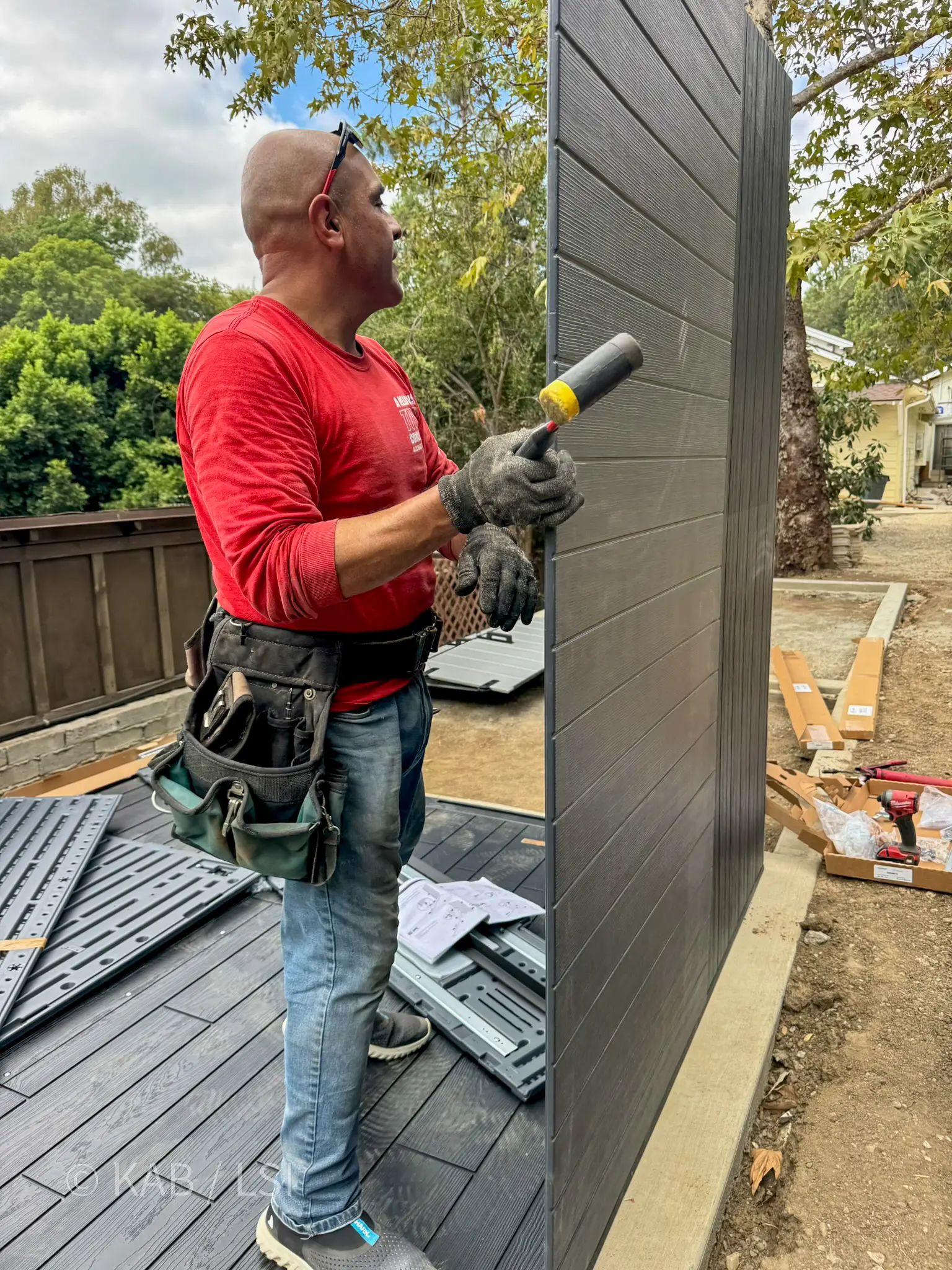
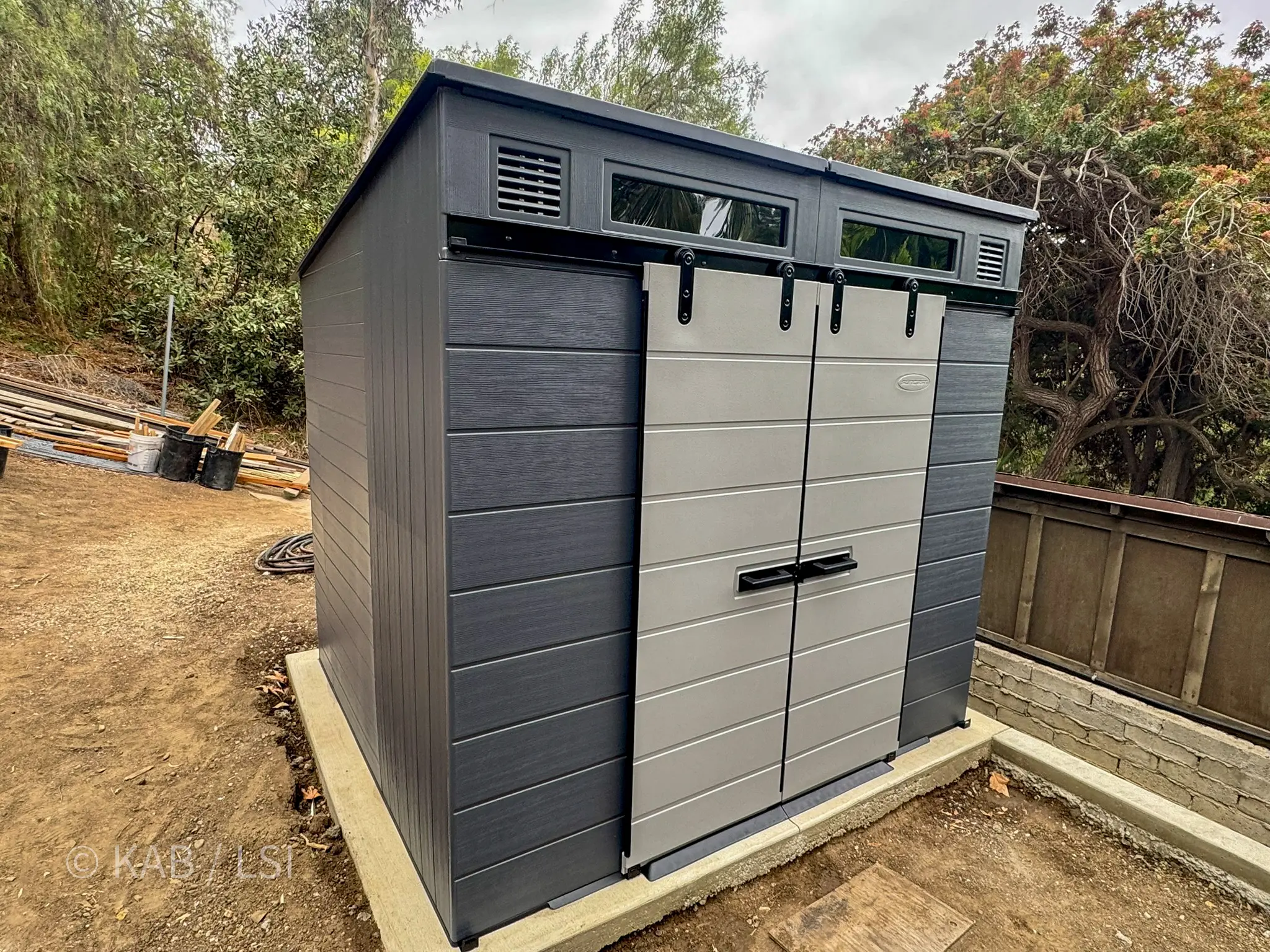
- Concrete or paver pad first — level, properly compacted, road base in high-clay soil
- Prefab or site-built structure — quality varies widely, we know which vendors deliver
- Mini split for heat and cooling — quiet, efficient, 220V/20A service
- Power and data run from house — plan the trench once for all utilities
- Wrought iron gate on private path for client access — separate from main house
- Pathway lighting from gate to office — solar or hardwired
- Artificial grass pad outside door — low maintenance, keeps dirt out
Opening up
your acreage.
“We have two acres and we can’t walk any of it without coming back covered in burrs and spiderwebs.”
Most LHH homeowners are using about 15% of their property. The rest is chaparral, slope, and “someday.” Opening up the acreage — pathways, stairways, lighting, cleared zones — is one of the highest-return projects you can do because it changes how you feel about the property every single day.
California allows you to live outside 300 days a year. Barely a long-sleeve shirt required. The people who get the most out of their hillside properties are the ones who’ve made them walkable, enjoyable, and interesting — not just viewable from the back porch.
The sequence matters. Power and water infrastructure goes first — before pathways, before planting, before any structures. One properly planned trench run saves you from tearing up finished work later.
Coyote fencing,
safe zones, and real security.
“A coyote jumped our six-foot fence last spring and took our dog.”
Coyotes will clear a six-foot fence without breaking stride. The solution is a 7 to 7.5-foot fence with a coyote roller or inward-angled topper — and it needs to be installed correctly, with no gaps at grade. This is not a complicated project, but it’s a critical one if you have small dogs, cats, or grandchildren outside.
The smart approach is to fence the zone where the animals actually spend their time — typically outside the master suite, the family room, or a rear patio. You don’t need to fence the whole property. You need to fence the right 2,000 square feet with the right materials.
La Habra Heights has active coyote, mountain lion, and rattlesnake populations. Home invasion robberies targeting high-value properties have increased in the area. A defensible perimeter zone isn’t paranoia — it’s what the neighborhood requires.
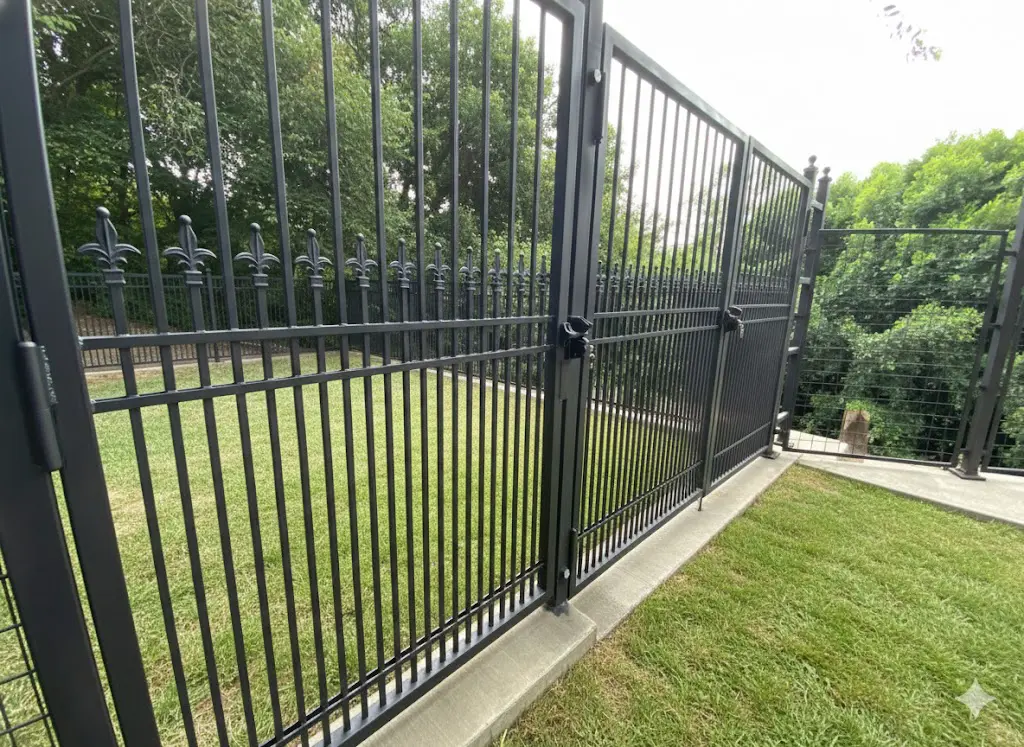

- 7–7.5 ft wrought iron or powder-coated steel — coyote-proof with proper topper
- Artificial grass patch inside for pet relief — keeps them from going to the perimeter fence
- Gate with automatic closer — no propped gates
- Motion lighting inside the secured zone — coyotes avoid lit areas
- Secondary benefit: a defensible space you can exit toward safely
- Camera coverage of the zone — feeds to your phone and to Keith’s monitoring setup
Gabion baskets —
the honest retaining wall.
“That hillside just crumbles every winter. And it’s ugly. I want something that actually holds and looks good.”
A gabion basket is a wire cage filled with rock — and it’s one of the most honest, durable, and visually interesting ways to hold a hillside. Unlike a poured concrete wall, a gabion wall breathes, drains naturally, and doesn’t crack under the pressure that causes so many concrete retaining walls to fail here.
Done well, gabion walls become a feature — a textured stone backdrop for planting, a privacy screen, a boundary marker that looks like it belongs on the hillside. They come in any height, any configuration, and can step with the terrain in ways a straight concrete wall simply can’t.
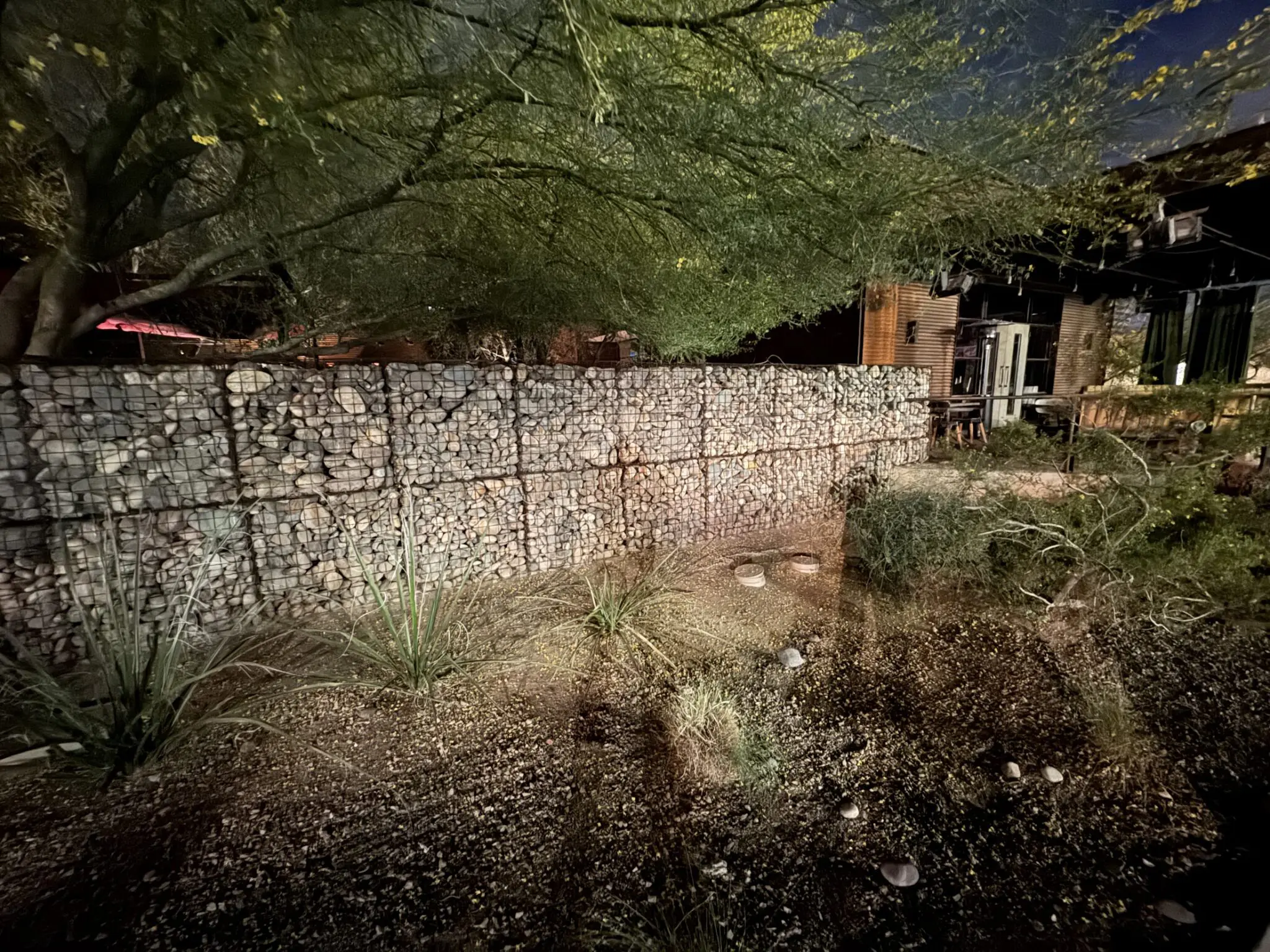
Gabion basket retaining wall · Wire and stone · Naturally draining · La Habra Heights
- No concrete required — installs on compacted grade
- Naturally draining — eliminates hydrostatic pressure that destroys concrete walls
- Rock fill can be local stone, granite, or decorative material
- Can be planted along the top — rosemary, lavender, drought-tolerant groundcovers
- Tiered configurations follow the slope naturally — no cutting and filling required
- Significantly less expensive than engineered concrete retaining walls of equivalent height
Fire safety —
what actually matters.
“My insurer dropped me after the Palisades fires. I need to show them I’m serious.”
The insurance situation in La Habra Heights is real. After the Pacific Palisades and Altadena events, major carriers are pulling out of hillside coverage in Los Angeles County. Homeowners who can demonstrate genuine fire hardening — not just defensible space paperwork — are in a stronger position when negotiating with remaining carriers or specialty insurers.
Here’s what actually matters: vents and eaves matter more than most homeowners realize. A Class A roof matters. An exterior suppression system fed by your pool or a storage tank is the single most defensible physical investment you can make — nozzles disguised as fence post finials along a wrought iron inner fence, aimed at the house, activated manually or automatically.
The next three chapters are about what gets put in, around, and under a property — water, air, and data. These are the systems nobody thinks about until they fail. Done right, they are invisible for decades. Done wrong, they are the reason a homeowner ends up on the phone with an emergency plumber on a Sunday night.
The Water House —
Treat it at the fence line.
“The water up here is incredible — and it’s destroying our fixtures, our appliances, and our hair.”
La Habra Heights has some of the strongest water pressure in the county — 120 PSI at most properties, 155 at some. That’s a real number, not a specification. It’s also very hard water: high mineral content that calcifies fixtures, shortens appliance life, and makes everything from showers to ice makers work harder than it should.
A properly specified whole-house system treats the water before it enters the house — regulating pressure, straining sediment, filtering, softening. At 120+ PSI on a 1-inch or 2-inch main, the treatment system needs to be rated for that pressure. PEX isn’t.
A broken pipe at 120 PSI is not a slow drip. Left overnight, it can move significant quantities of soil, knock over trees, and run up a $2,000 water bill before morning. Pressure regulation at the main is part of every water system we recommend.
Whole-house water companies start at $6,000 and go up from there. And they stick it in your garage.
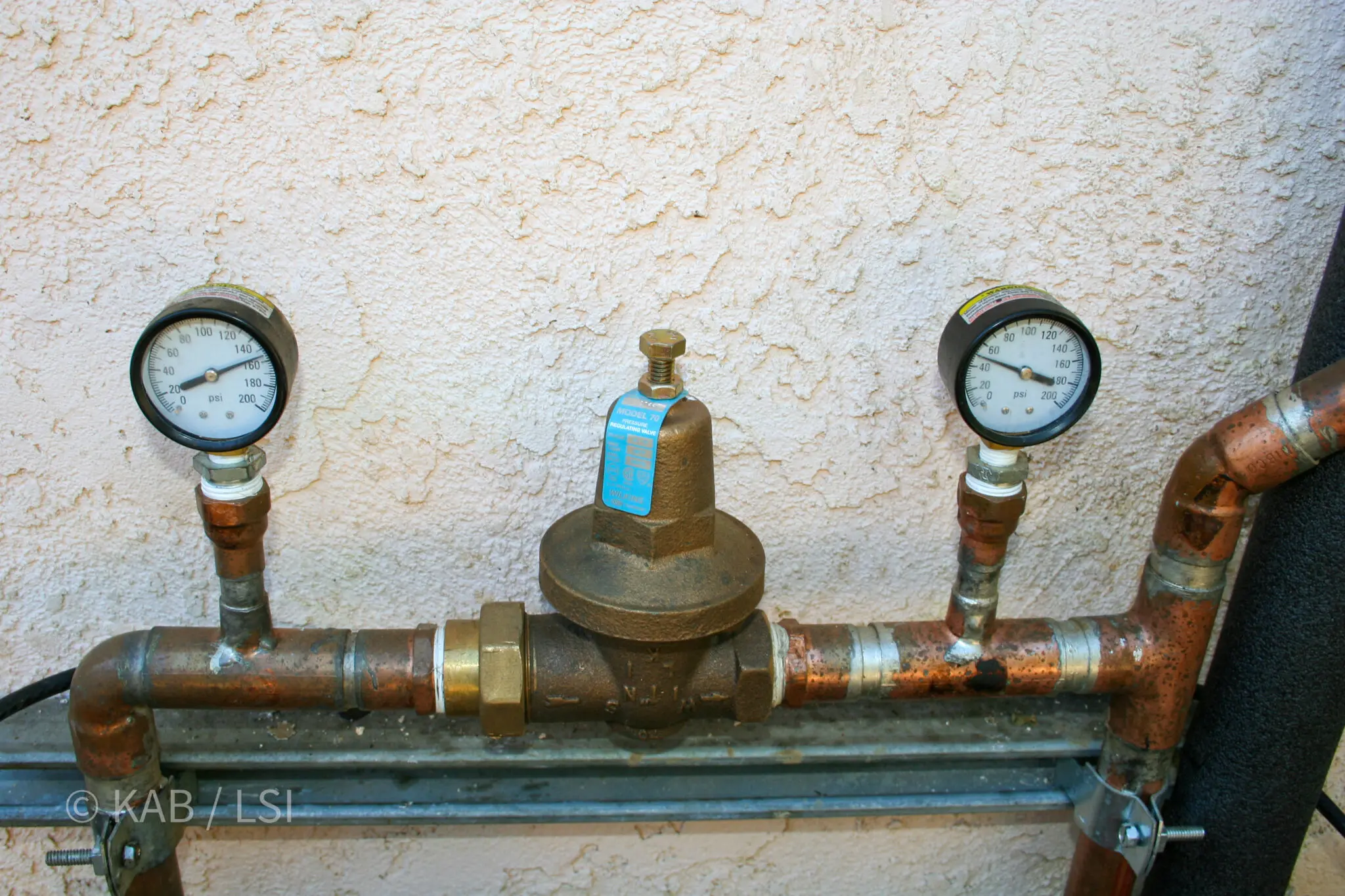
Put the whole system at the fence line, not in the garage. Water enters every property at the property edge. That’s the right place to treat it — where it arrives, not somewhere inside the house. A 6′ × 3.5′ shed at the fence holds everything: regulator, sediment strainer, filter stack, softener, distribution manifold. Screen it with a citrus tree or a bougainvillea and it disappears. If anything ever fails, you service it outdoors in daylight, not in a flooded crawlspace.
We build every board in PEX first, on the bench. PEX is cheap enough to iterate with and rated for 100 PSI — margin enough for a test build. Once the layout is proven, the board gets re-provisioned in copper. But we don’t solder anymore. A $3,500 Milwaukee or DeWalt press-fit tool crimps compression fittings in seconds: permanent, lead-free, flux-free, fireproof. No torch on a wood-framed wall. No hot-work permits. No call to the roofer afterward to check for singeing. When you add labor, fittings, and tool amortization, the math evens out — and the homeowner gets the newer, safer version.
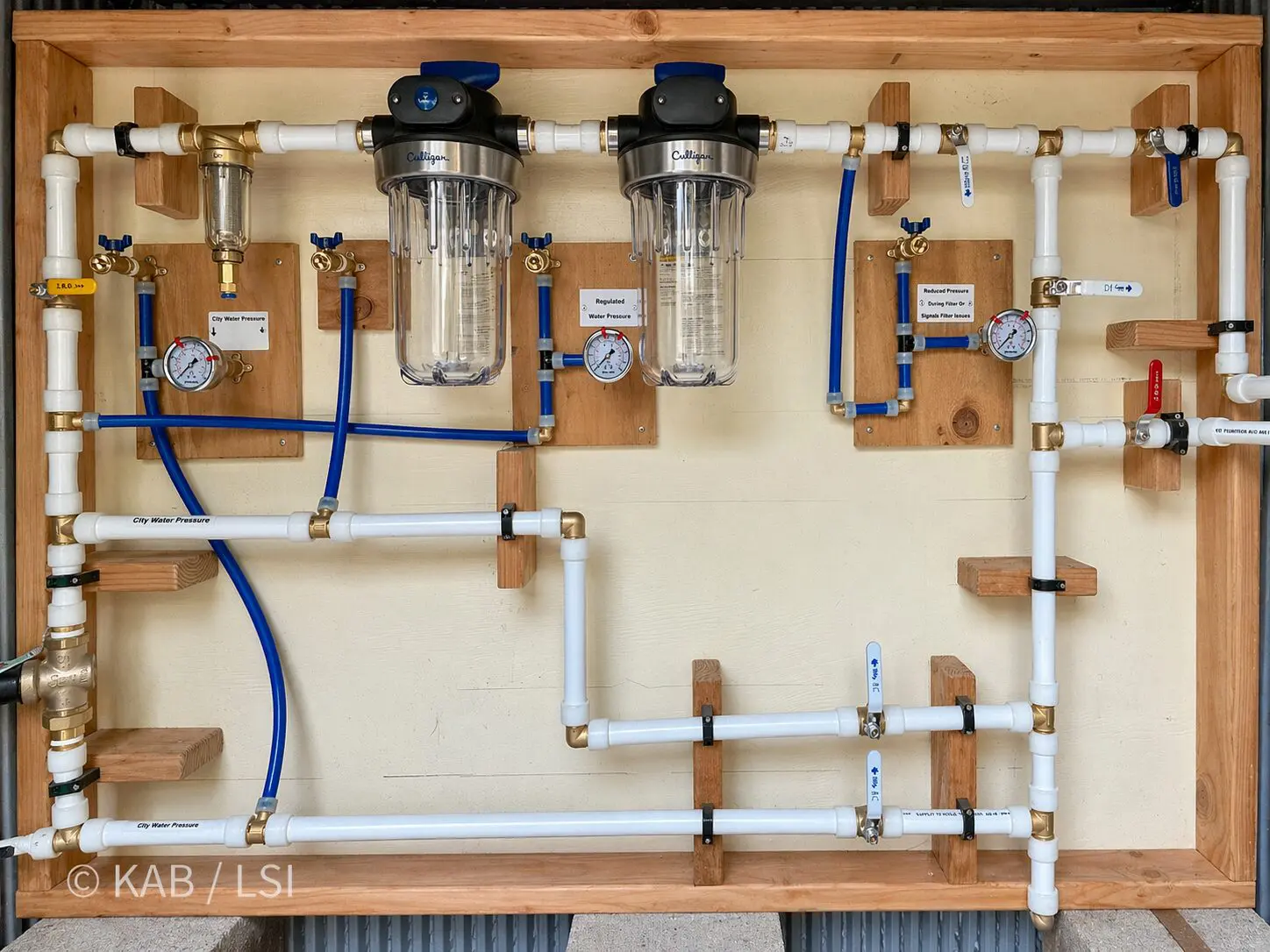
- A Water House at the fence line — 6′ × 3.5′, screened or skinned to disappear
- Pressure regulation at the main — 120+ PSI in, 60 PSI to the house, gauges on both sides
- Three-stage filtration — sediment strainer, paper cartridge, activated carbon
- Softener sized to actual water chemistry — tested first, not the largest unit in the catalog
- Copper throughout, compression fittings — no solder, no flux, no fire
- Full 120 PSI out to the property — fire stations, RV pad, wash-down faucets at corners
- Every stage bypassable — service any component without shutting down the house
Mini splits —
start with the bedroom.
“We have a 6,000 square foot house. We live in about 1,500 of it. The heating bill is absurd.”
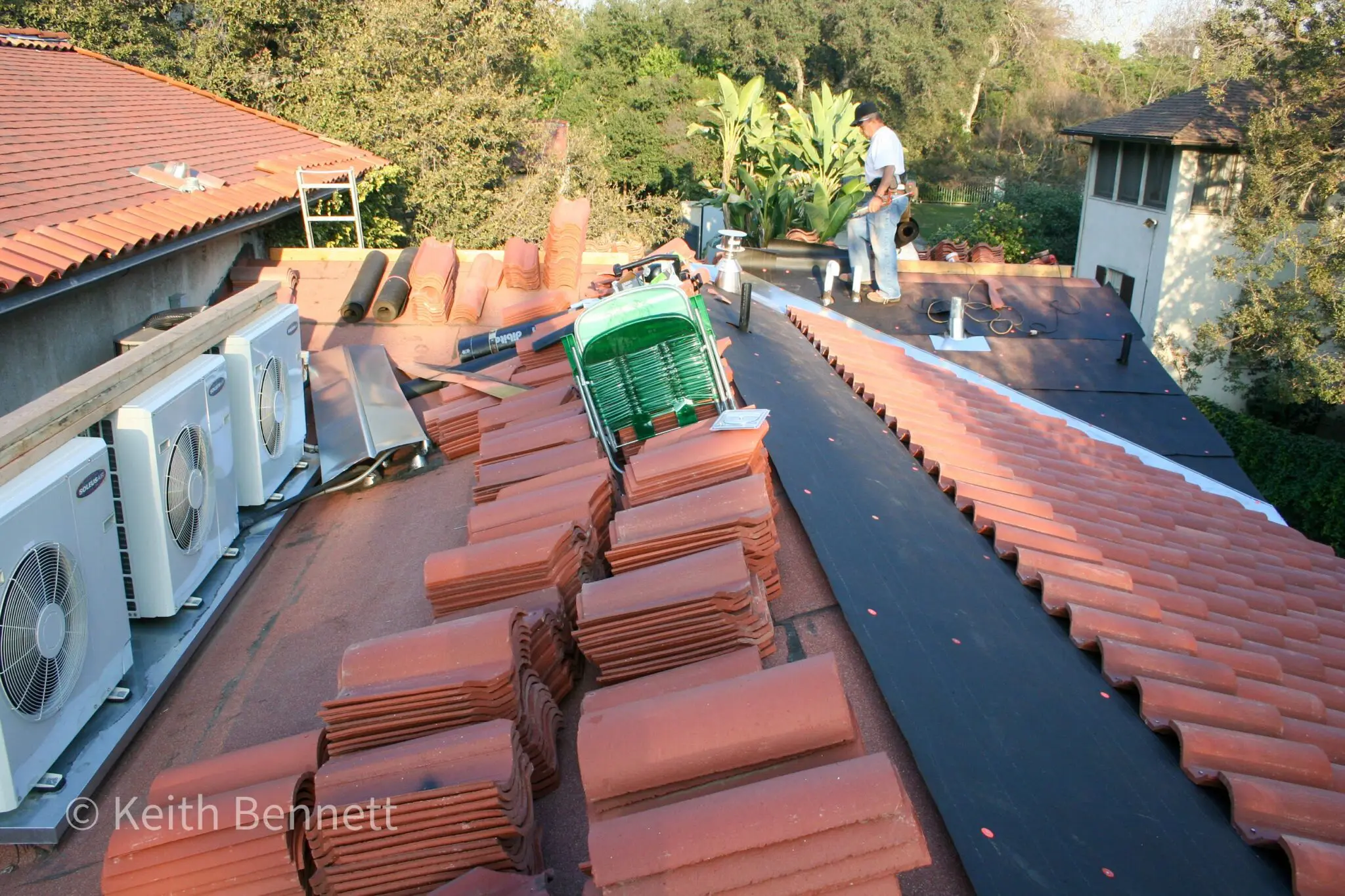
Empty nesters and retired couples in LHH are paying to heat and cool entire houses when they’re using a fraction of the space. A mini split in the master suite costs $3,000–$5,000 installed and changes daily life immediately — quiet, precise temperature control, no ducts, no filters to change every month.
We were a Mitsubishi, Train, Amana, and Goodman dealer. The right answer for most LHH homeowners isn’t to rip out the central system — it’s to leave it in place for resale value and start converting the rooms you actually live in, one at a time.
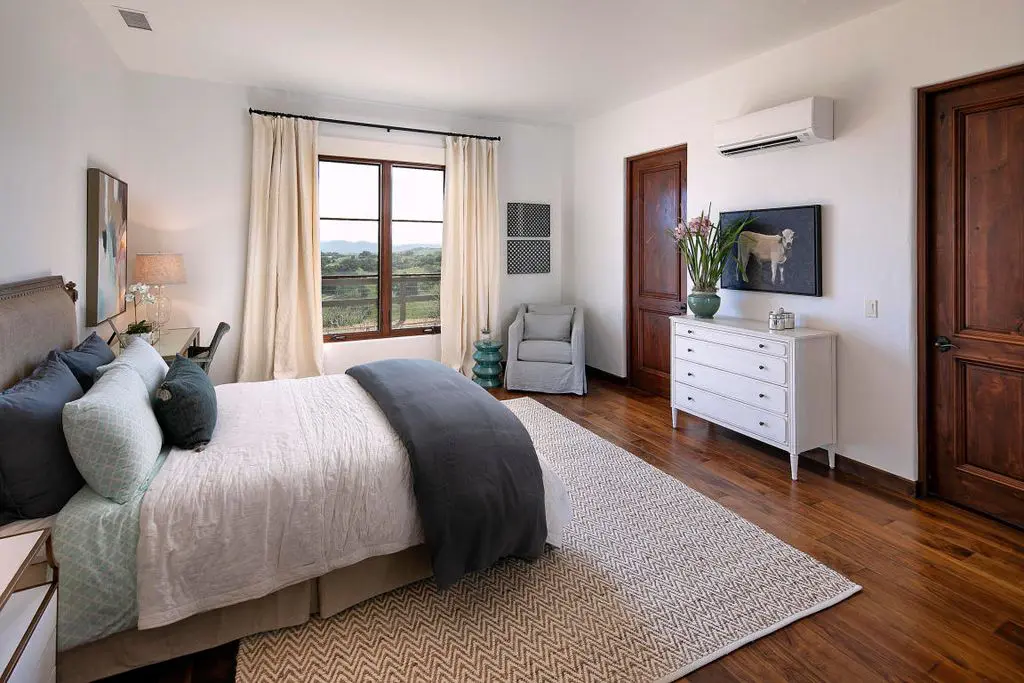
- Master suite first — the room where comfort matters most, used most hours
- Home office / she shed second — zone it independently, run it only when occupied
- 220V/20A service for most residential units — one circuit per room
- Outdoor inverter can go almost anywhere — side of house, fence corner, roofline
- Four inverters on a 6,000 sq ft house gives full redundancy — one fails, three keep running
- Central system stays in place for showings and resale — buyers want to see it
Concrete & pavers
in high-clay soil.
“We’ve had two concrete slabs crack in five years. Nobody told us about the clay.”
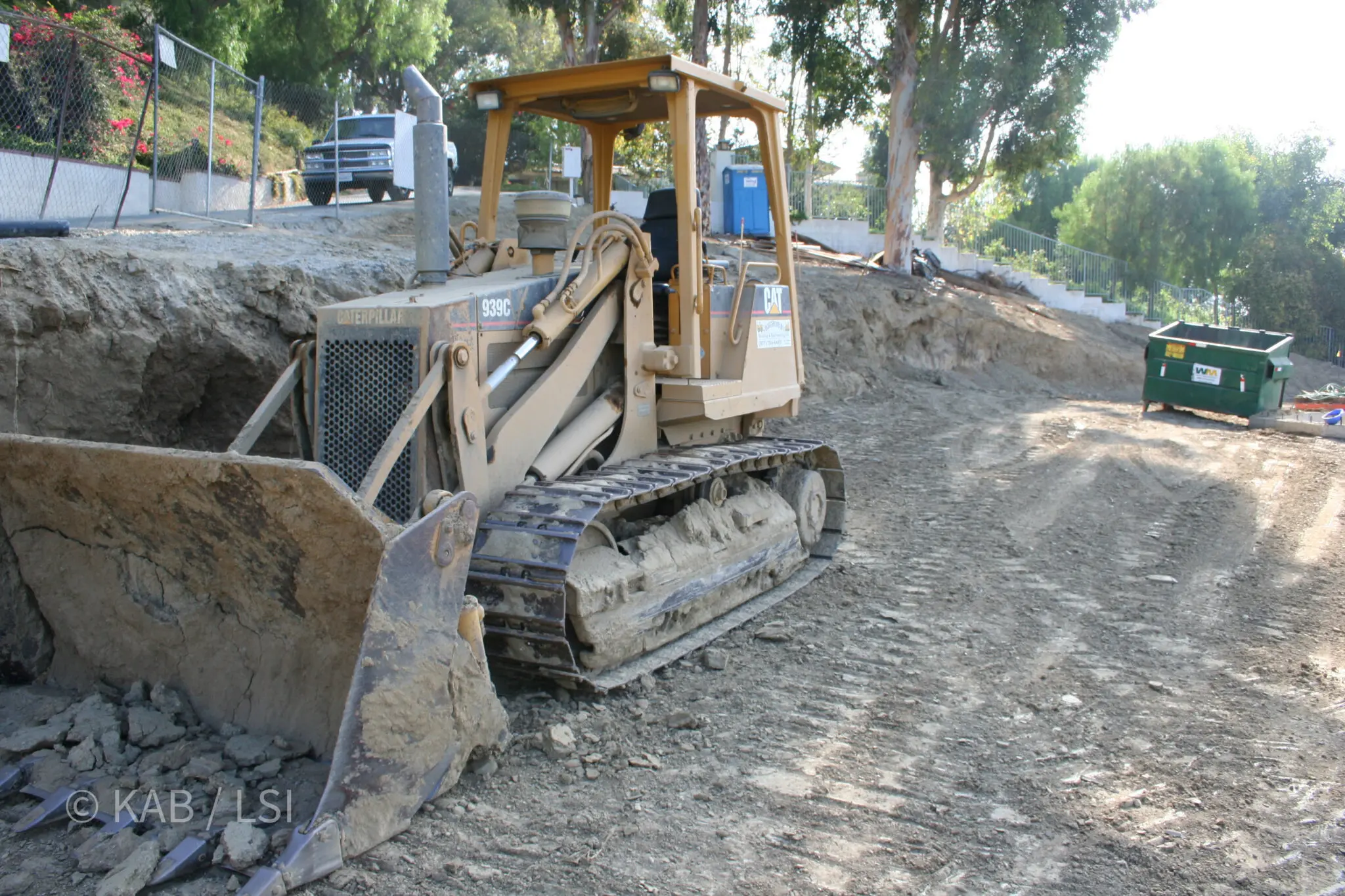
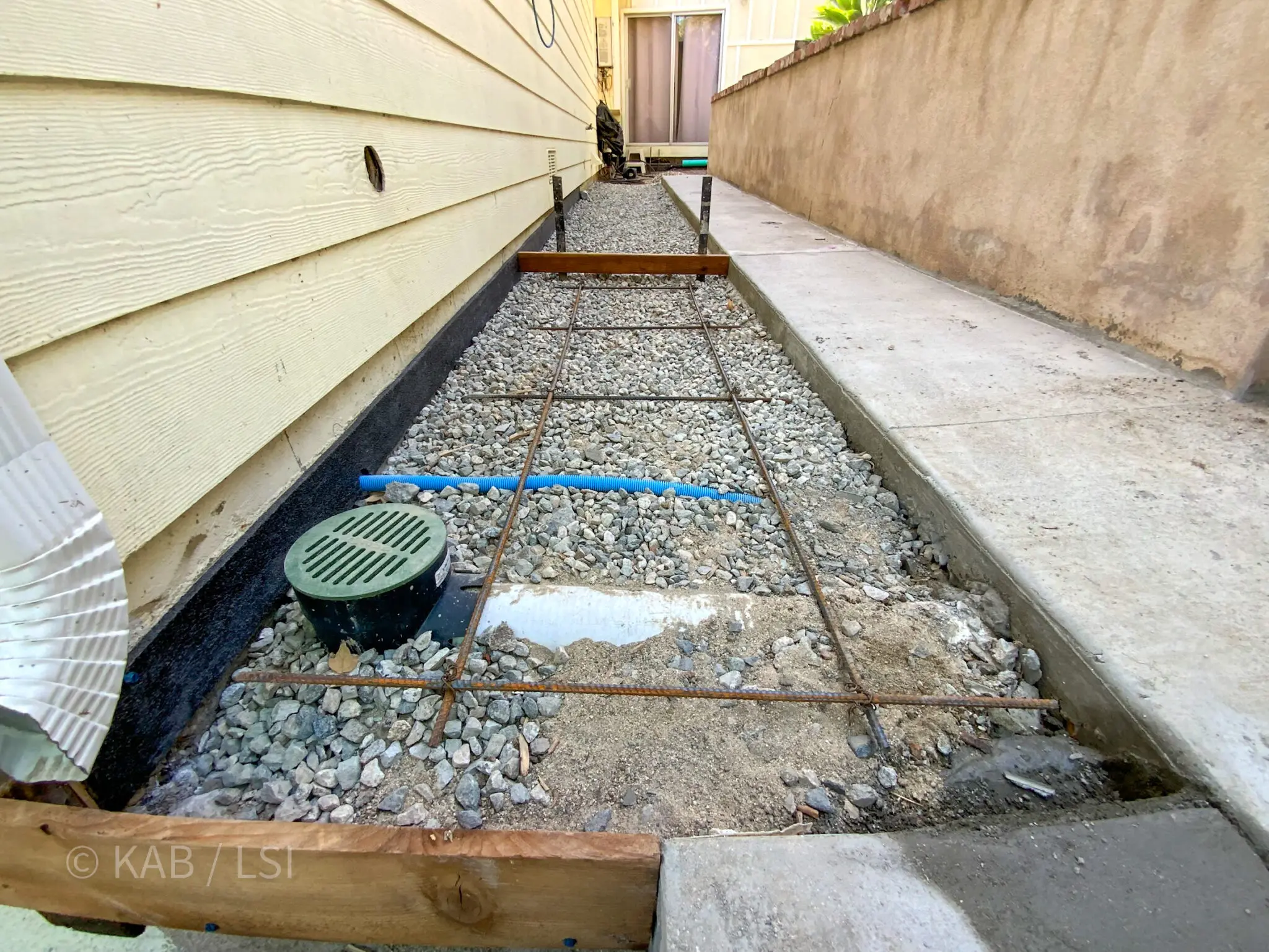
La Habra Heights has high clay content in its soil. Clay expands when wet and contracts when dry — and it will move concrete if you don’t get between them. Most concrete failures up here aren’t the contractor’s fault — they’re a specification failure. The clay was never addressed before the pour.
The fix is simple: dig down, lay road base and compacted gravel, separate the concrete from the native clay entirely. Done right, it lasts for decades.
The network
behind the work.
"I don't even know who to call first."
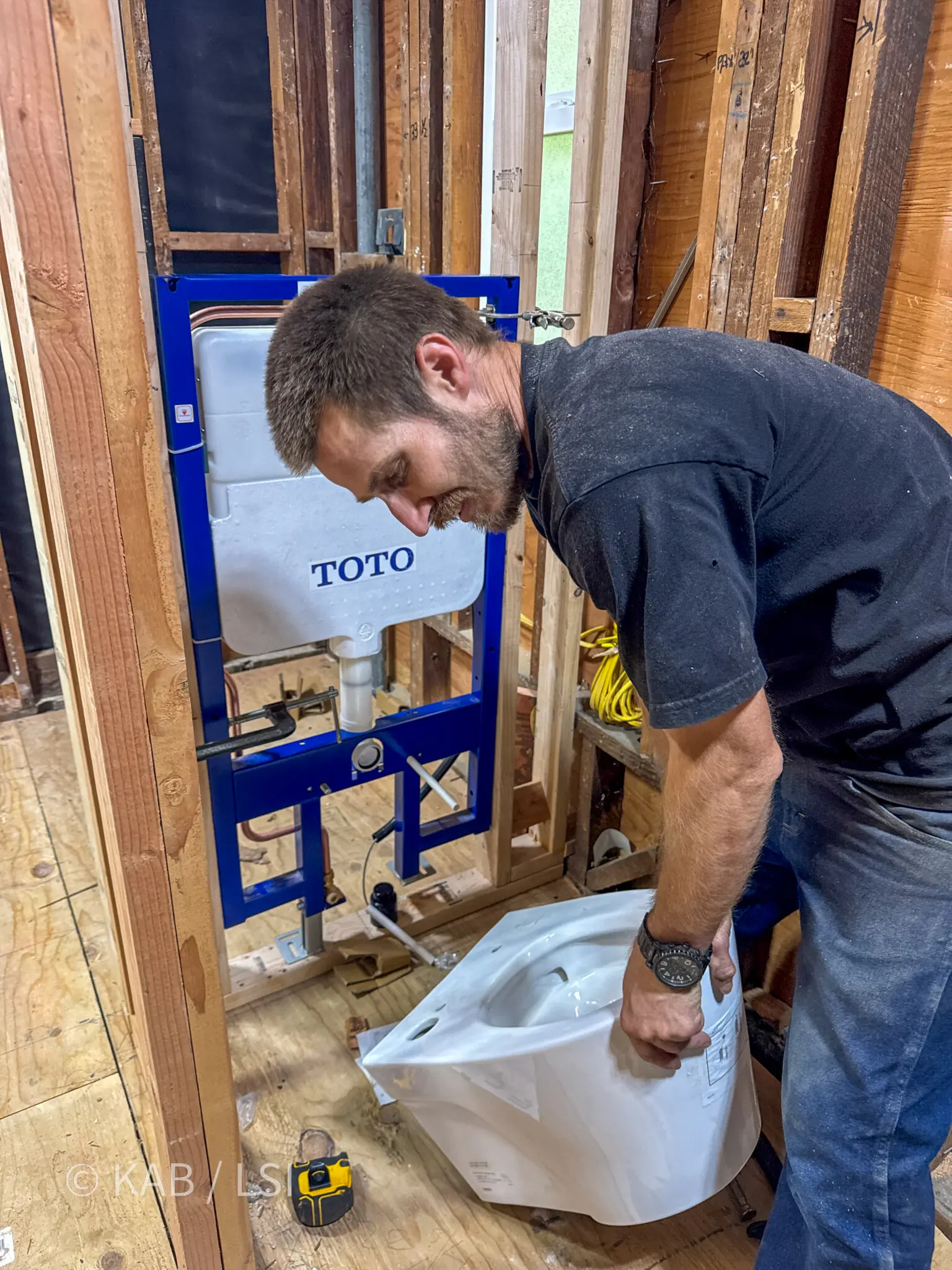
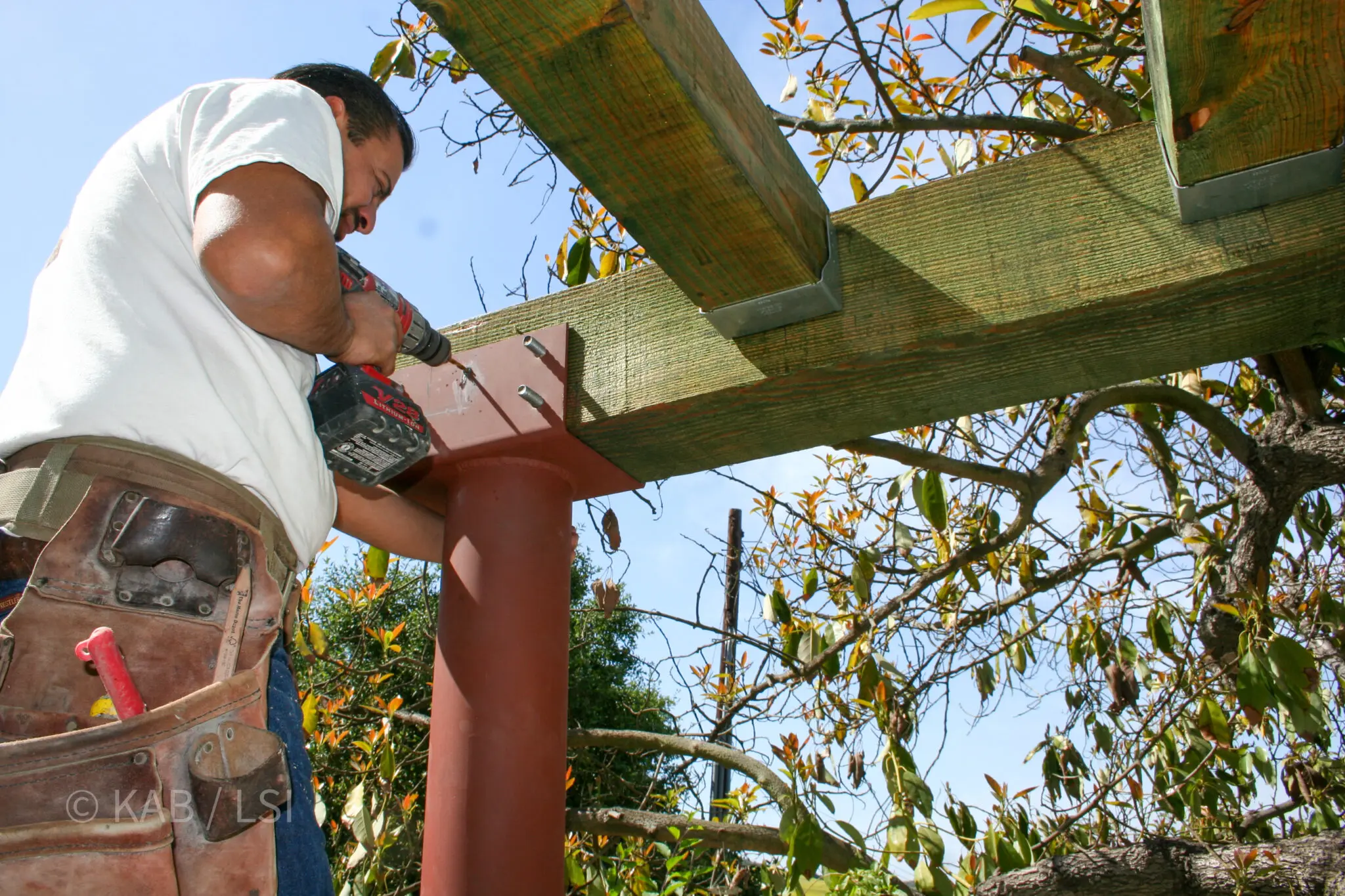
Most homeowners don't need a general contractor. They need the right sequence of the right specialists — and someone who knows which vendors to trust for each trade up here. After 45 years, I have a network of vetted professionals who work on hillside properties and know what they're doing.
One note on property surveys: La Habra Heights parcels are almost all metes and bounds — irregular shapes, no rectangular lots. Property corner pins are often lost, buried, or displaced. Before you build a fence or put up a structure near a property line, a licensed survey is essential. Setback violations on hillside properties are expensive to correct.
A note on how this list grows: most names on it came from a neighbor’s recommendation — someone up here who’d had a good experience and wanted to share it. If you have a housekeeper, a handyman, a gardener, a tradesperson who’s done right by you, and you’d like them considered for this list, send their name. The vetting we do from there is ours. The strong recommendation is yours.


See something on this list
that sounds like your property?
Start with one paragraph. Tell me what you’re thinking about. I’ll tell you what the first step actually is — and whether I can help you get there.
No charge to begin. The on-site visit is priced in conversation.