Some properties need
more than a caretaker.
There are properties in these hills sitting well below their potential — vacant, underloved, or carrying more weight than their owners want to manage alone. If yours is one of them, this page is for you.
Six situations where
a partnership makes sense.
The question is whether they’ll be ready for it.
More than good intentions
and a schedule.
A property under active stewardship is a different thing entirely from one that’s merely watched. Here is what a working partnership with Private Spaces actually looks like on the ground.
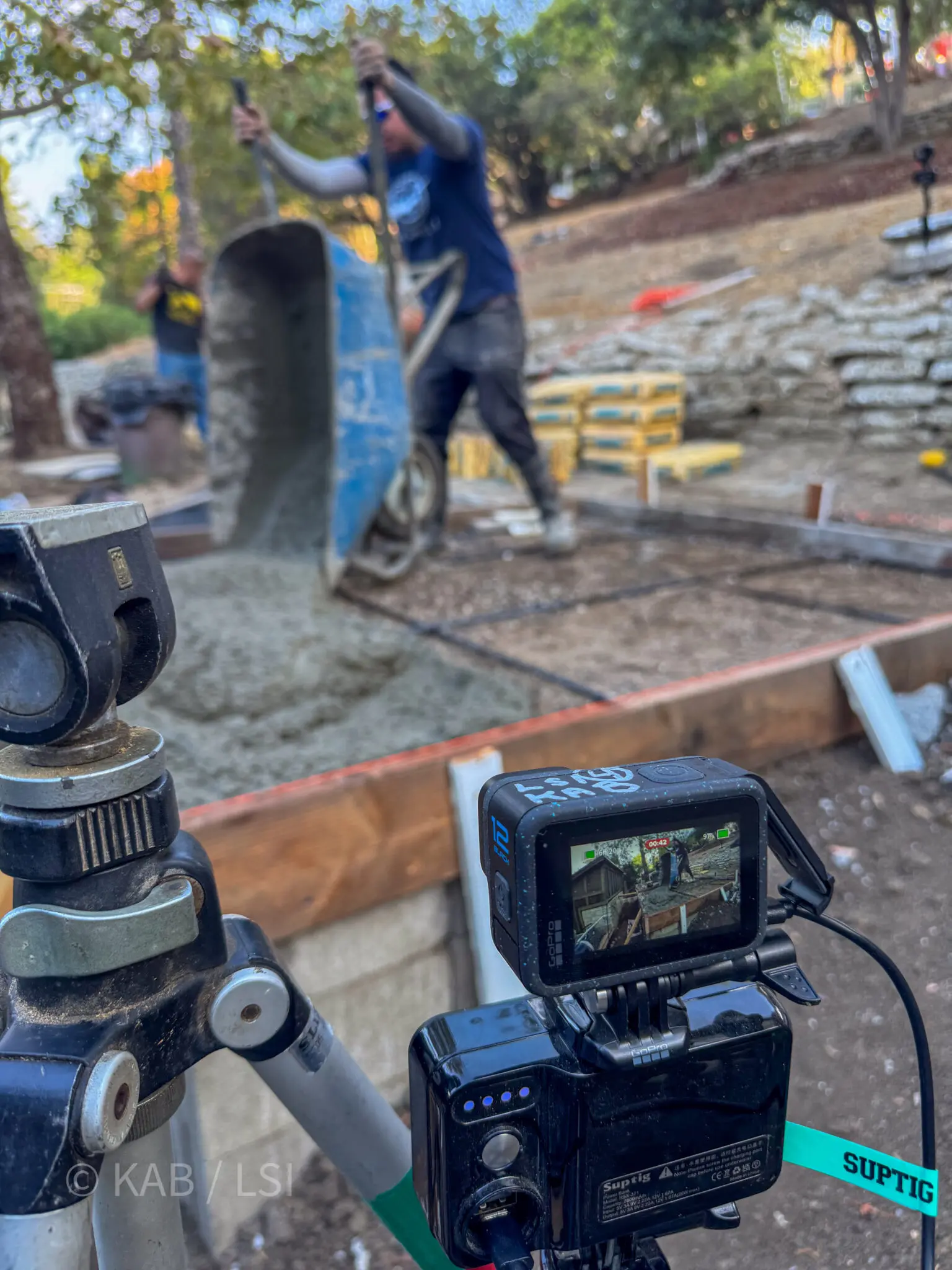
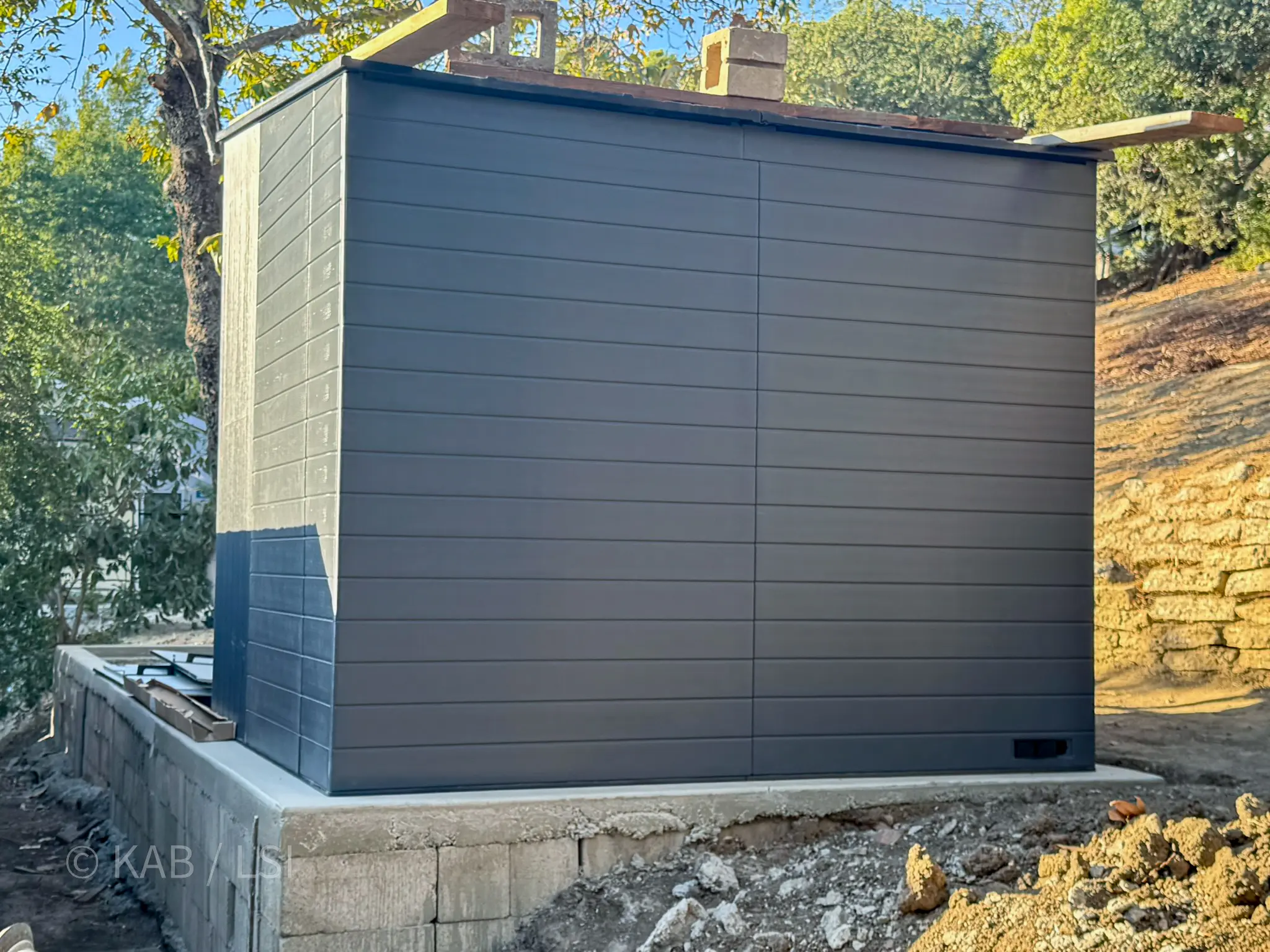
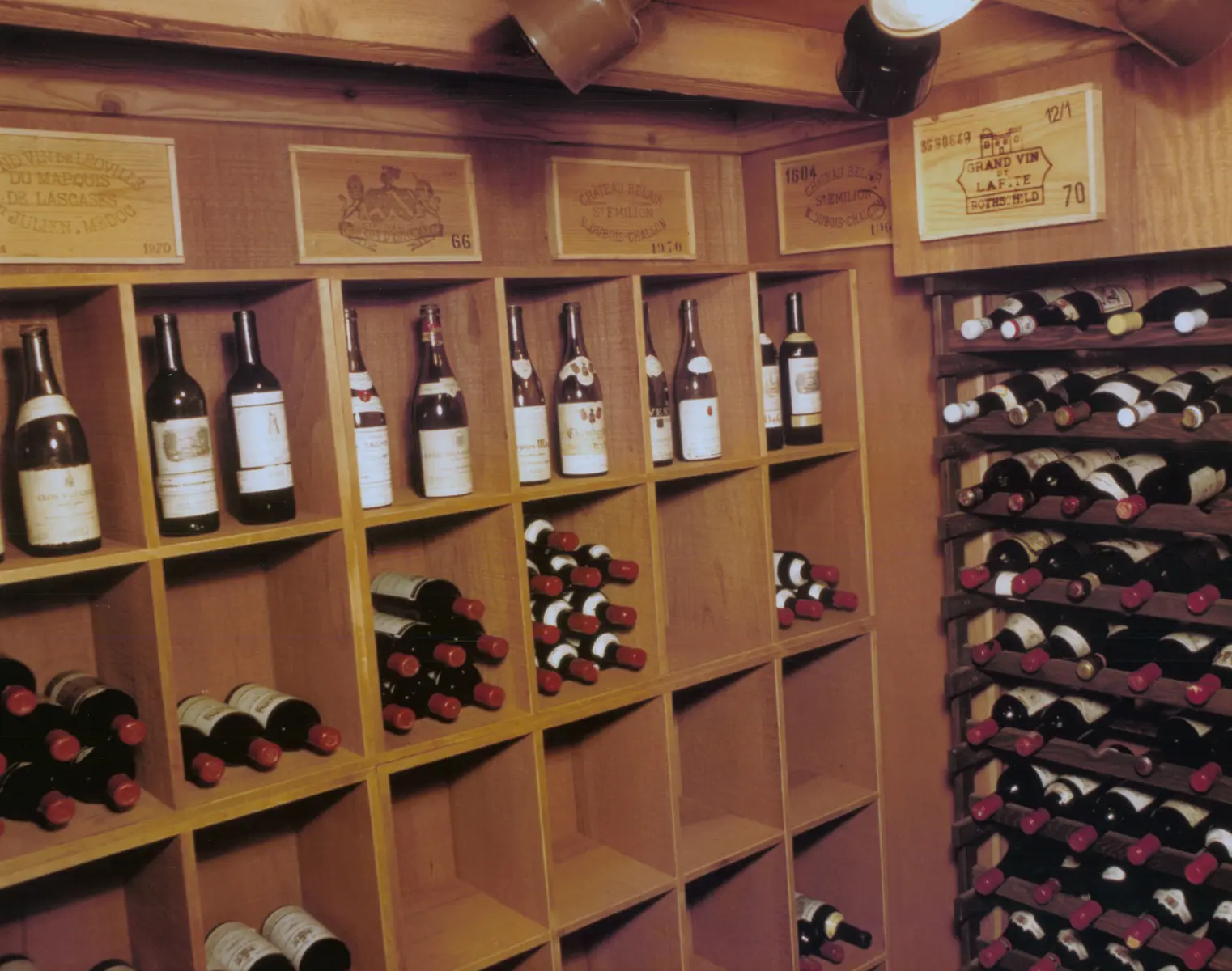
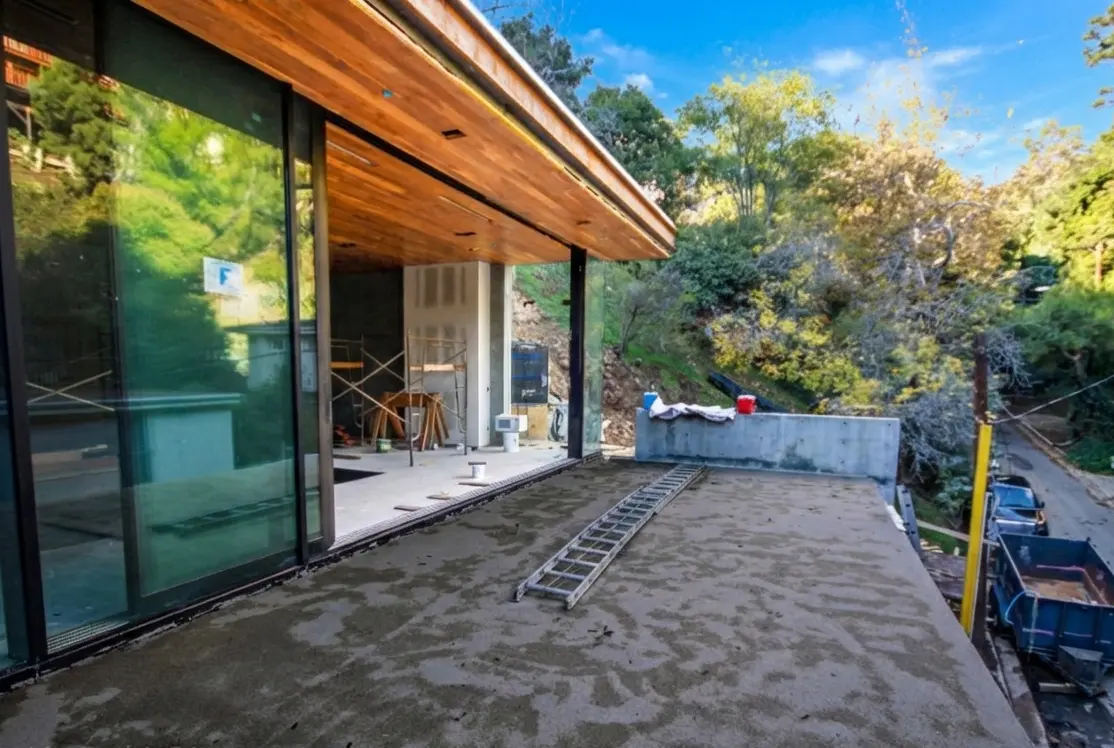
The Crew Is Part of the Gift.
After forty-five years in construction, I am choosy about who I put on a property. On Partnership sites especially — where the owner has trusted me with something irreplaceable — the question of who walks through the gate every morning matters more than the work they’re doing that day.
For the house itself — any specific repairs, upgrades, or selective improvements you and I agree on — I draw from a customer list that goes back forty-five years. Thousands of homeowners. Thousands of fire-resistant roofs. Hundreds of inspections, roof replacements, remodels. A lot of trades passed through that list over the decades, and a lot of them did beautiful work.
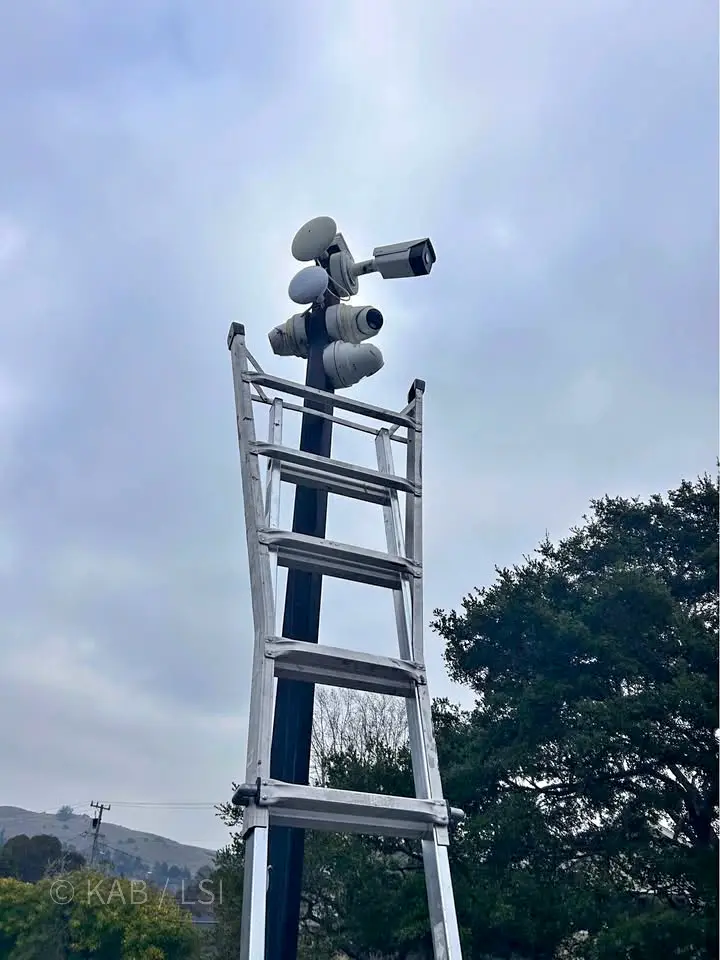
But I retired from active building in 2015, and eleven years is a long time. A crew that was excellent in 2014 may not still be that crew in 2026. So the past two years I’ve been doing something specific: quietly re-vetting trades in real time. Either by watching how they perform on referrals I’ve made to neighbors, or by bringing strangers onto my own property and asking them to do small, real work — paint a room, paint the exterior, level a sinking floor, lift a corner, re-roof the house, clean up the landscape in the far corners. They sign a waiver. I film them. I take aerials of them. I photograph them. Some work out. Some do not.
The ones who work out are the current referrals. So when I refer a specialist to you — a roofer, a tile-setter, a painter, a finish carpenter — it’s someone I’ve either worked with for decades, or someone I’ve personally re-vetted on my own acre with cameras rolling in the last twenty-four months. One trade at a time, to your written approval, on your schedule. Nothing happens on the house without your explicit sign-off.
The outbuildings are different. The outbuildings on Partnership properties are built by a small rotating team of young men — some are ordained pastors already serving at local Calvary Chapels and other churches throughout Southern California, some are seminarians at Biola University in La Mirada on the path to ordination. They come to me because, early in ministry, pastoral salaries are barely enough to keep an apartment in California. And they come to me because, somewhere along the way, word got around that this is a job where a man can work with his hands alongside other men who share his convictions, and not be made to feel small about either.
- They are, without exception, the most honest and friendliest young men I have ever employed. Every client who has had them on a property has said some version of “there’s something different about these guys” — even clients who had no idea the crew included pastors. They simply do not carry the weight of bitterness or side-hustle scheming sadly common in parts of the trades.
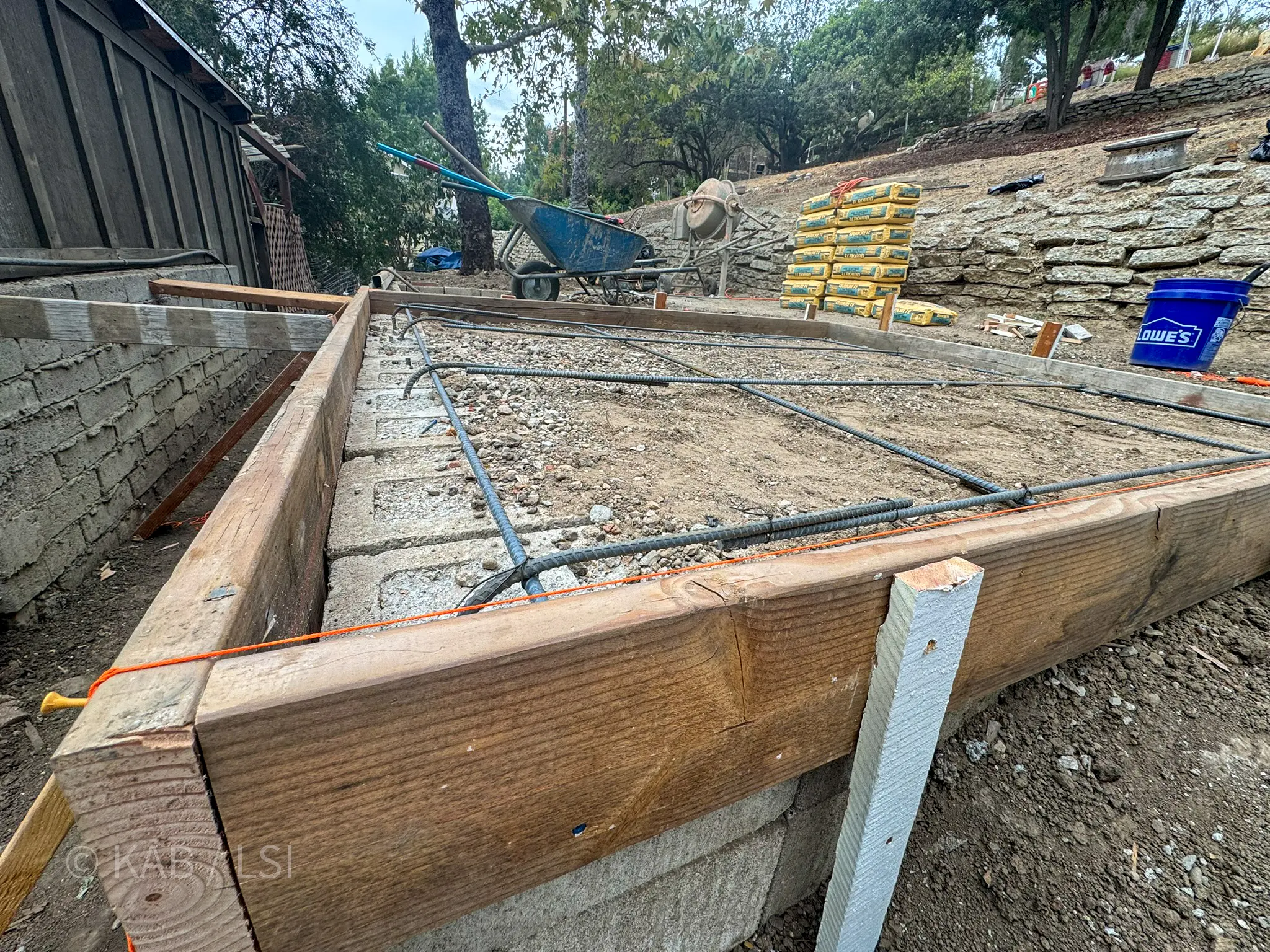
- The hands-on skills they learn on a La Habra Heights outbuilding — how to use a nail gun without losing a finger, frame a wall square, install a window that doesn’t leak, pour a slab that lasts fifty years — are skills they take with them on short-term mission trips to rural Mexico, Guatemala, Honduras, West Virginia, and the poorer corners of wherever they end up pastoring. They build schools, orphanages, classrooms, chapels. The skills we teach on a Partnership property keep giving for decades after we finish.
- And — the practical piece — they build beautifully. These young men — pastors, seminary students, a few lay pastors — build as if the building is going to outlast them, because that is how they’ve been taught to live. You can see it in the joinery and in the paint lines. (Why that matters commercially — see below.)
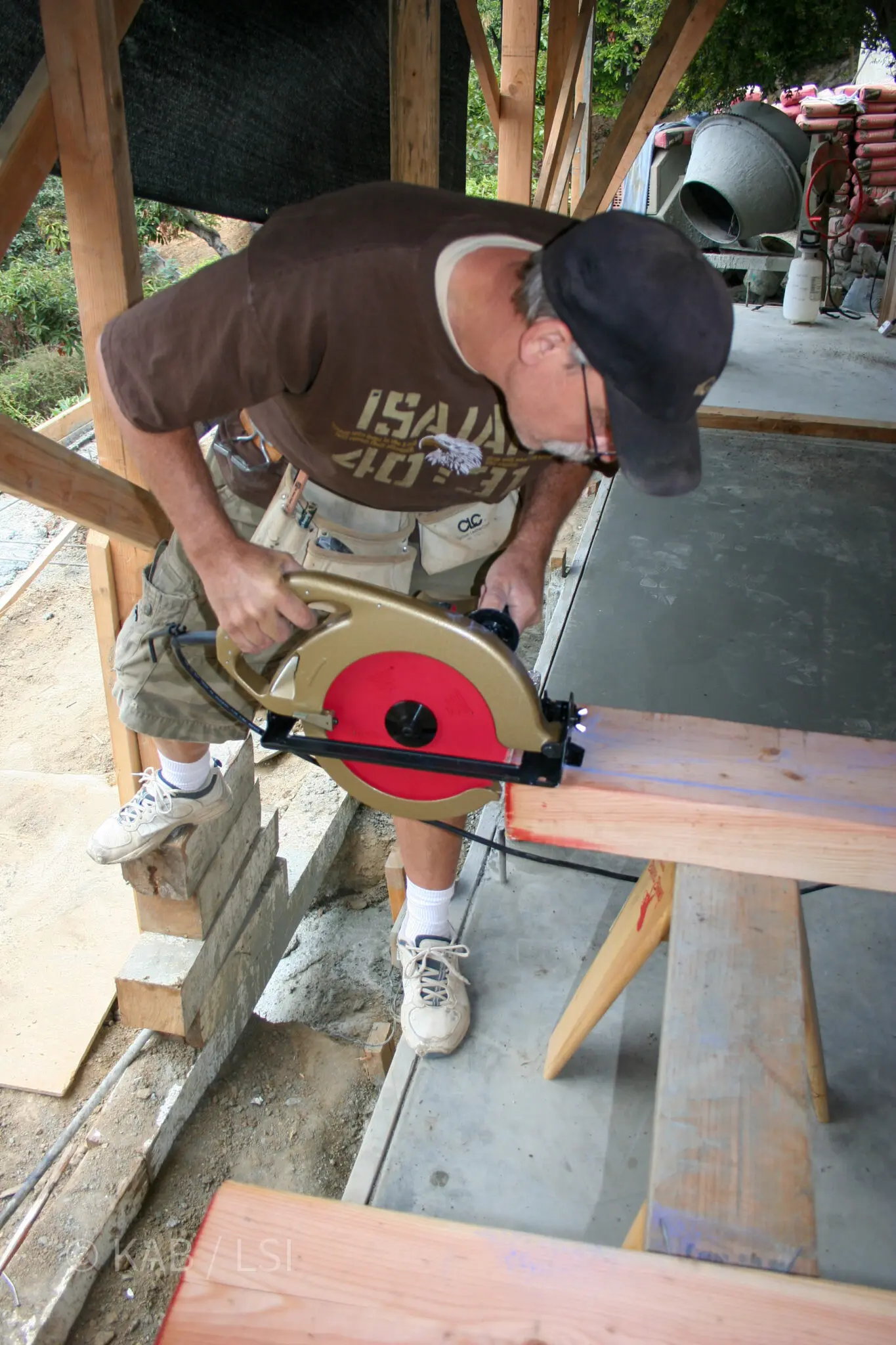
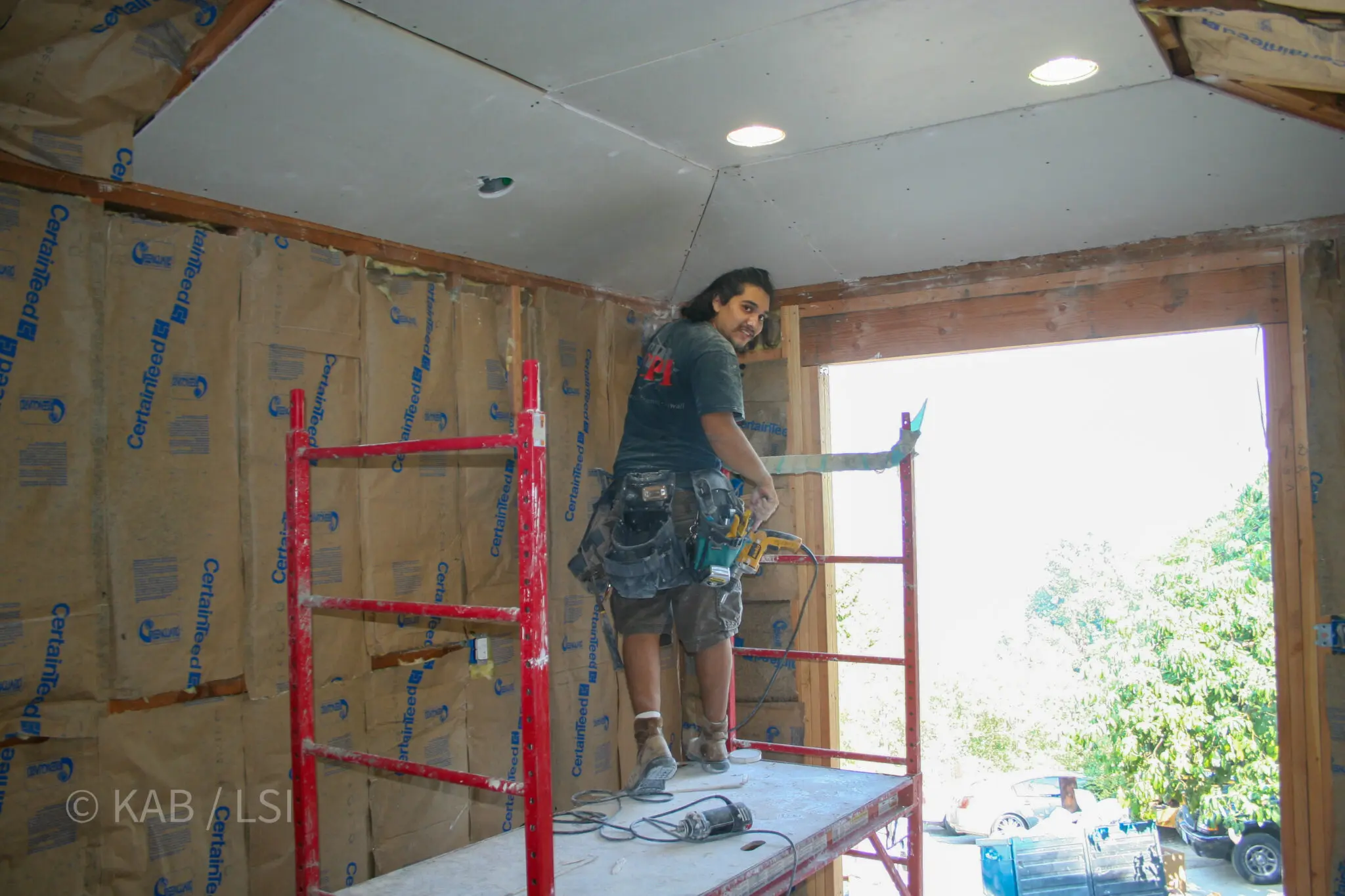
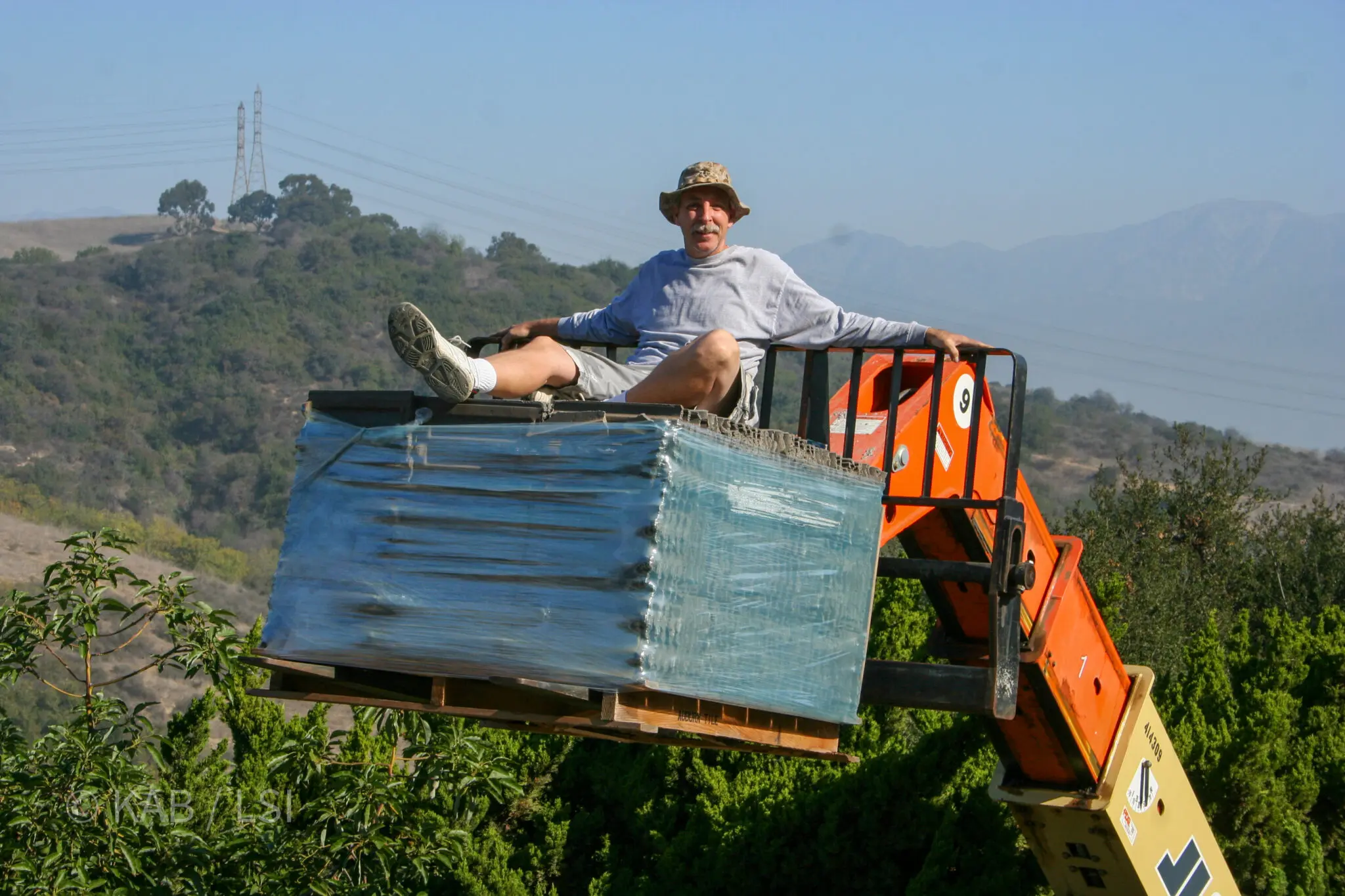
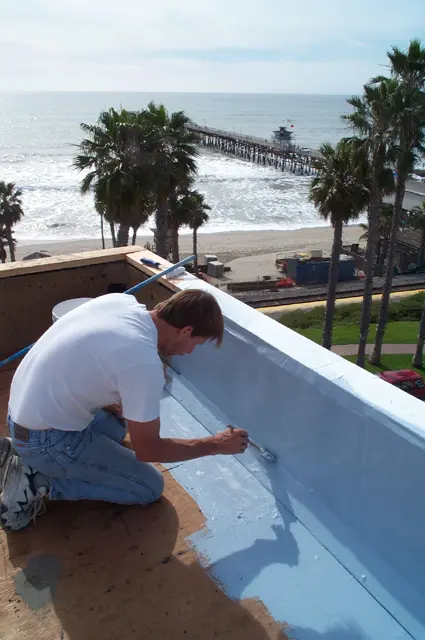
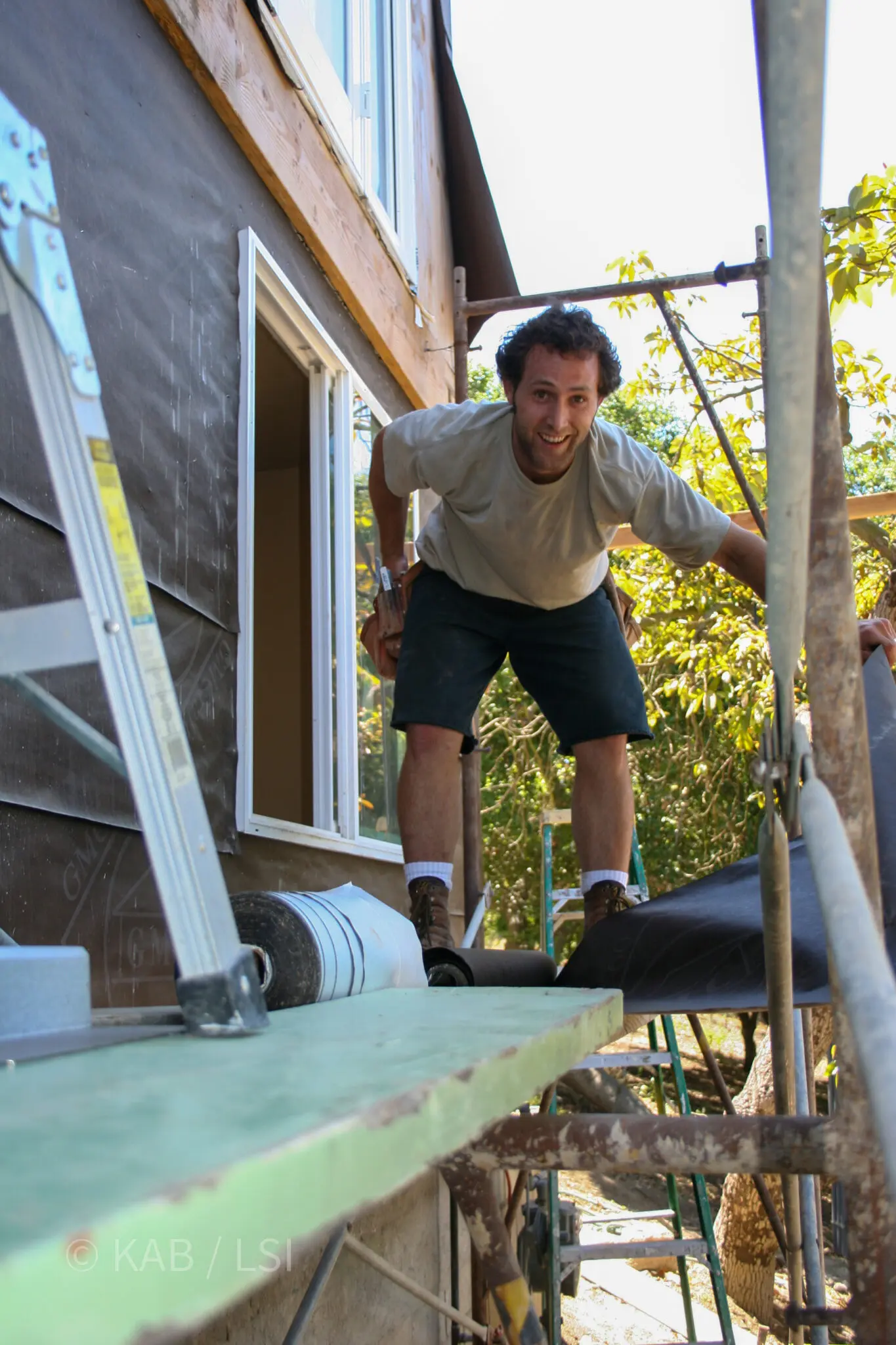
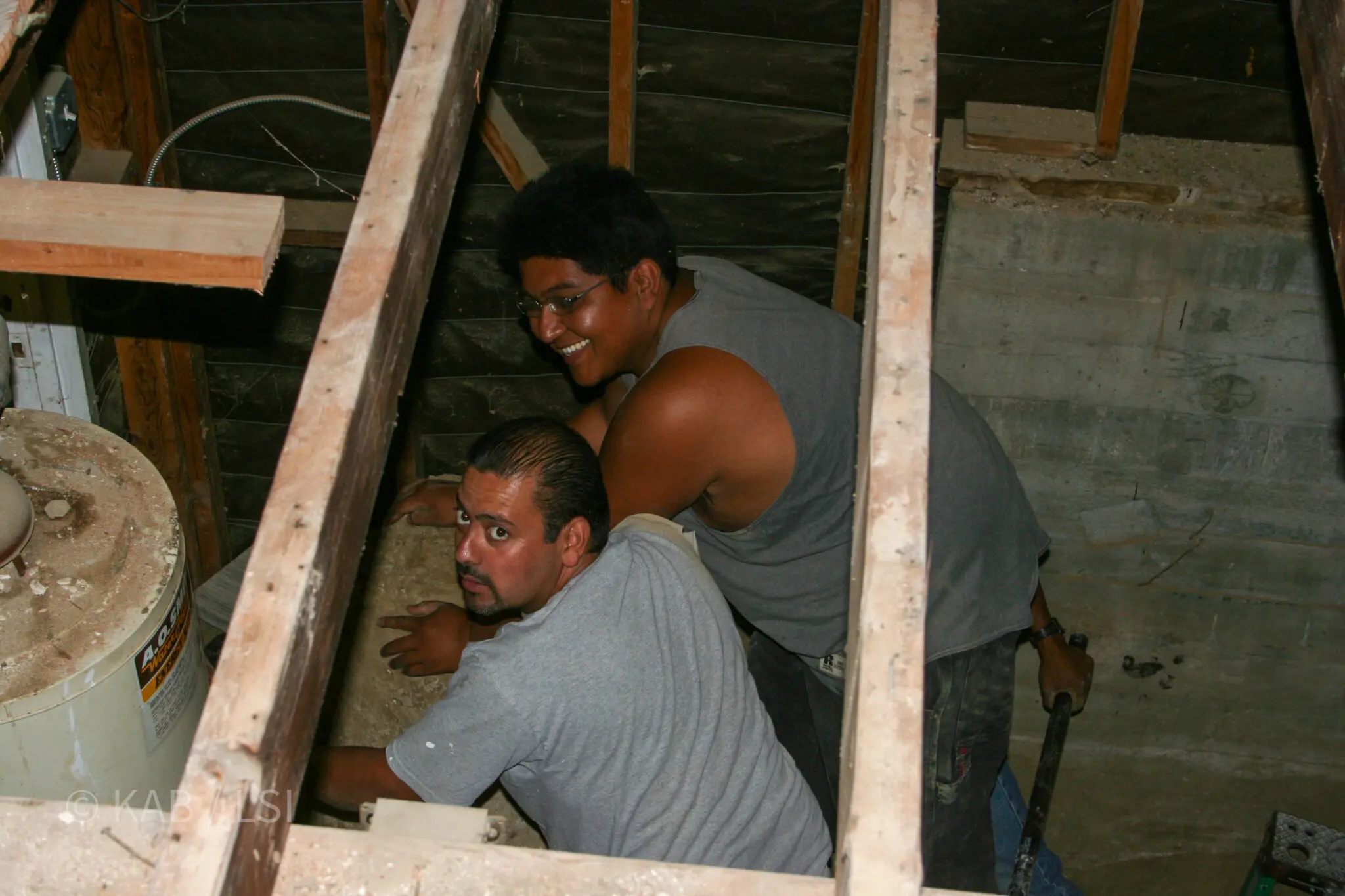
“Four decades. Hundreds of hands. Many of them still building, somewhere else.”
You don’t have to share any of their convictions for this to be a good arrangement for you. The quality of the work does not depend on your beliefs, and the work speaks for itself. I only name them because I’ve been asked, and because it would be dishonest not to.
Highest and best use.
Every real estate agent and broker learns one phrase before they pass their license exam: highest and best use. It’s the principle that a property should be valued — and used — in a way that makes the most of what the land actually is. And on a hillside acre in La Habra Heights, most properties are operating well below that threshold. The house is fine. The yard immediately around the house is fine. But the rest of the acre, or the acre and a half — the slopes, the flat pads nobody touches, the corners that just grow brush every year — those sections are valued by a potential buyer not as opportunity, but as maintenance liability.
“Honey, do we really want this?” — that’s the sentence that kills a listing. An acre and a half that reads as brush-clearance-forever to a young couple from Pasadena is a property that gets scrolled past.
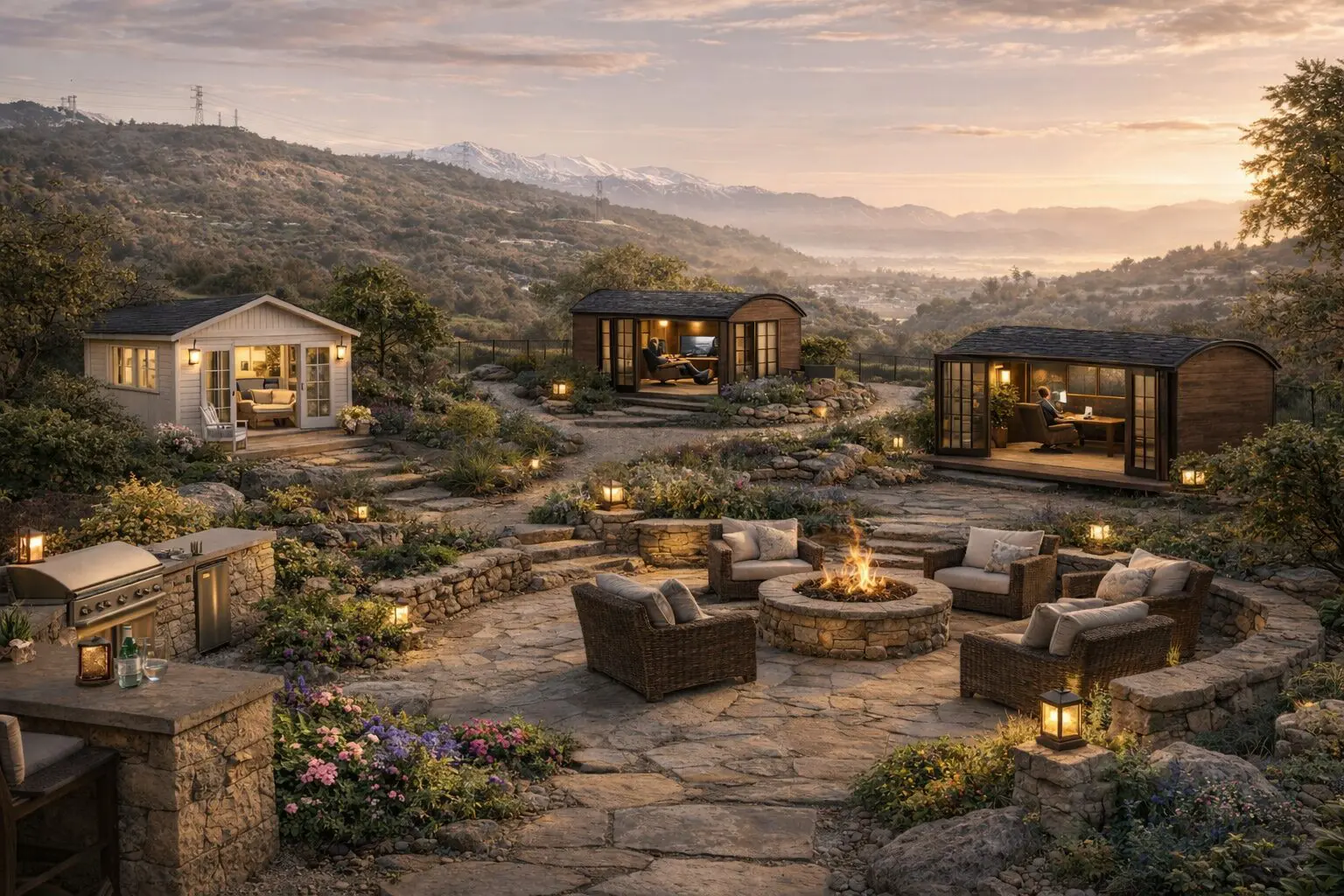
What Partnership work actually does — underneath the camera oversight and the steady stewardship — is turn underutilized corners into destinations. A flat pad becomes an observation deck with a railing and a view to the San Gabriels. Another pad gets a pergola with a sightline to Big Bear. A pathway curves around the hillside and leads somewhere the eye wants to follow. A flagstone walk passes through a rose garden and arrives at a garden shed with french doors. A far corner gets a she-shed, or a telehealth office, or a writer’s studio, or a small private chapel — a destination the property didn’t know it had.
An observation deck with a view. A pergola on a far pad. A she-shed at the end of a winding path. A rose garden next to a garden shed with french doors. A concrete pour that becomes a flagstone walk that becomes a place to sit at sunset. None of these existed on the property before. All of them will be there when the property sells.
And this is where the outbuildings earn their keep commercially. When the day comes that this property lists — whether next year or in a decade, for sale or for lease — the photographs that make a prospective buyer stop scrolling and bookmark the page will not be the twenty rooms inside the house. Every hillside listing has twenty rooms. They all look roughly alike in a grid of Zillow thumbnails.
The photographs that make a buyer save a property — show it to a spouse, come back to it three times before driving out to see it — are the photographs of the destinations we built. The pergola with the Big Bear sightline. The she-shed at the end of the winding path. The observation deck where coffee in the morning turns into sunset in the evening. Those are the primary photos on the Zillow, Redfin, and MLS listing. Those are the photos that say “honey, come look at this.”
That is what highest and best use looks like in a Zillow listing. And that is what Partnership work is quietly building toward the whole time — whether you plan to list or not.
“The rooms inside the house don’t make a buyer bookmark the property. The destinations on the land do.”
Keith Bennett · Forty-five years on the La Habra Heights hillsideIf your situation is smaller than handing over the property — a contractor you need watched while you travel, a pre-sale punch list, a kitchen remodel you don’t want to stand over for six weeks — the sister conversation is Owner’s Advocate.
What the partnership
actually looks like.
This is not a rental arrangement. It is not a property management contract. It is a working relationship with clear terms — one in which the owner retains full control, the property improves continuously, and both parties know exactly where they stand from day one.
Tell me about
the property.
One paragraph is enough. Describe the situation — what you have, what you’re dealing with, and what you’re hoping for. I’ll tell you honestly whether this kind of arrangement makes sense for you.
Send a 1-paragraph note No obligation. No sales pitch. Keith responds personally.