Hillside property counsel · By referral and invitation
Hillside property counsel, today.
You’re thinking about adding something to your property, you just bought a hillside lot and don’t know where to start, something on the property went sideways, you’re retired and intend to stay here a long time, or someone else used to take care of this place and now it’s yours alone. Wherever you are, we start the same way.
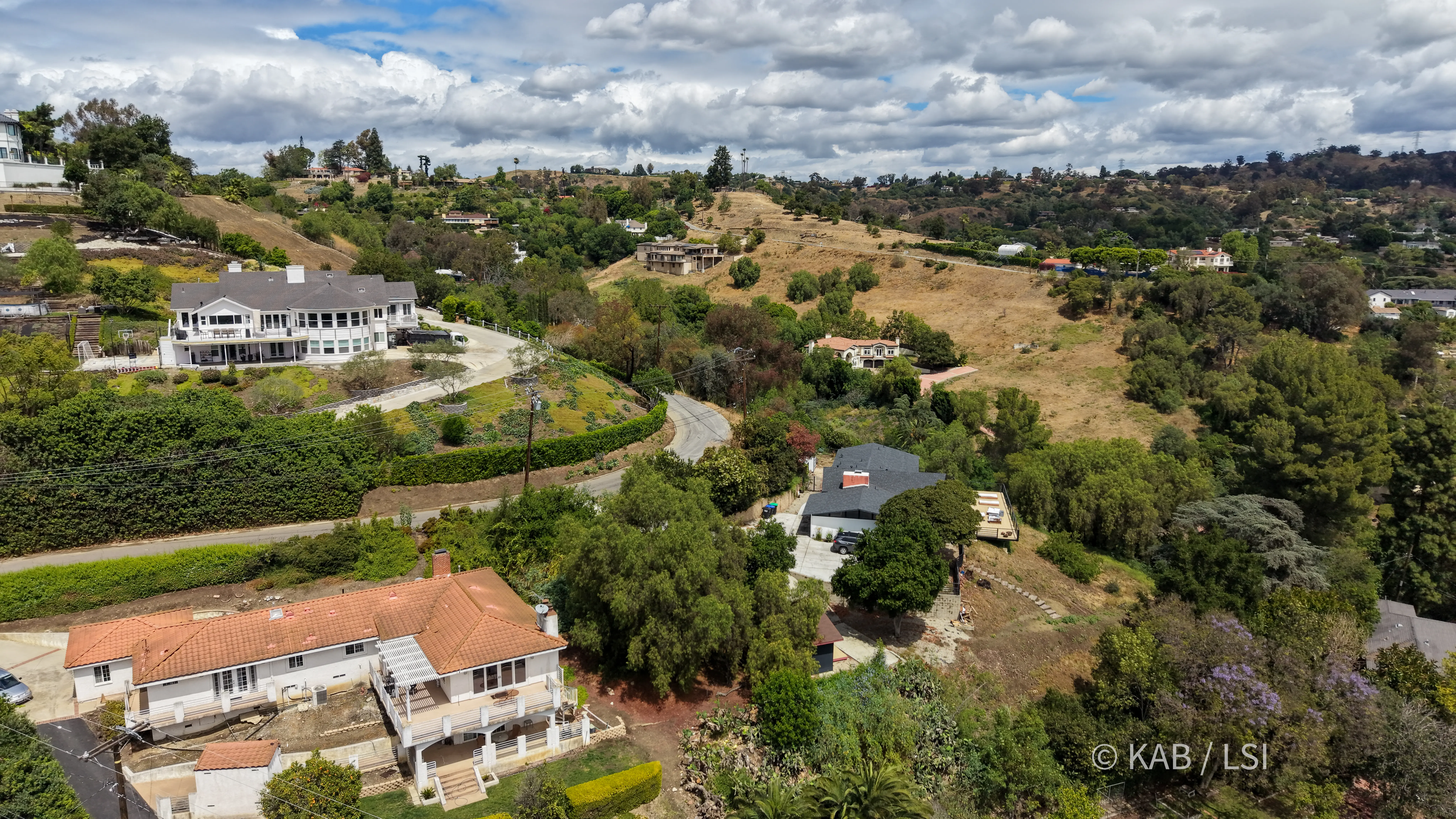
How you got here
Private spaces are private spaces.
You’re here because a photograph caught you.
Someone else’s wine cellar dug into the slope. Someone else’s wraparound deck. Someone else’s quiet office at the back of the lot. You looked at it and something small happened — a private moment of recognition. That could be mine. Maybe exactly like the picture. Maybe close to it, with one or two changes that make it yours.
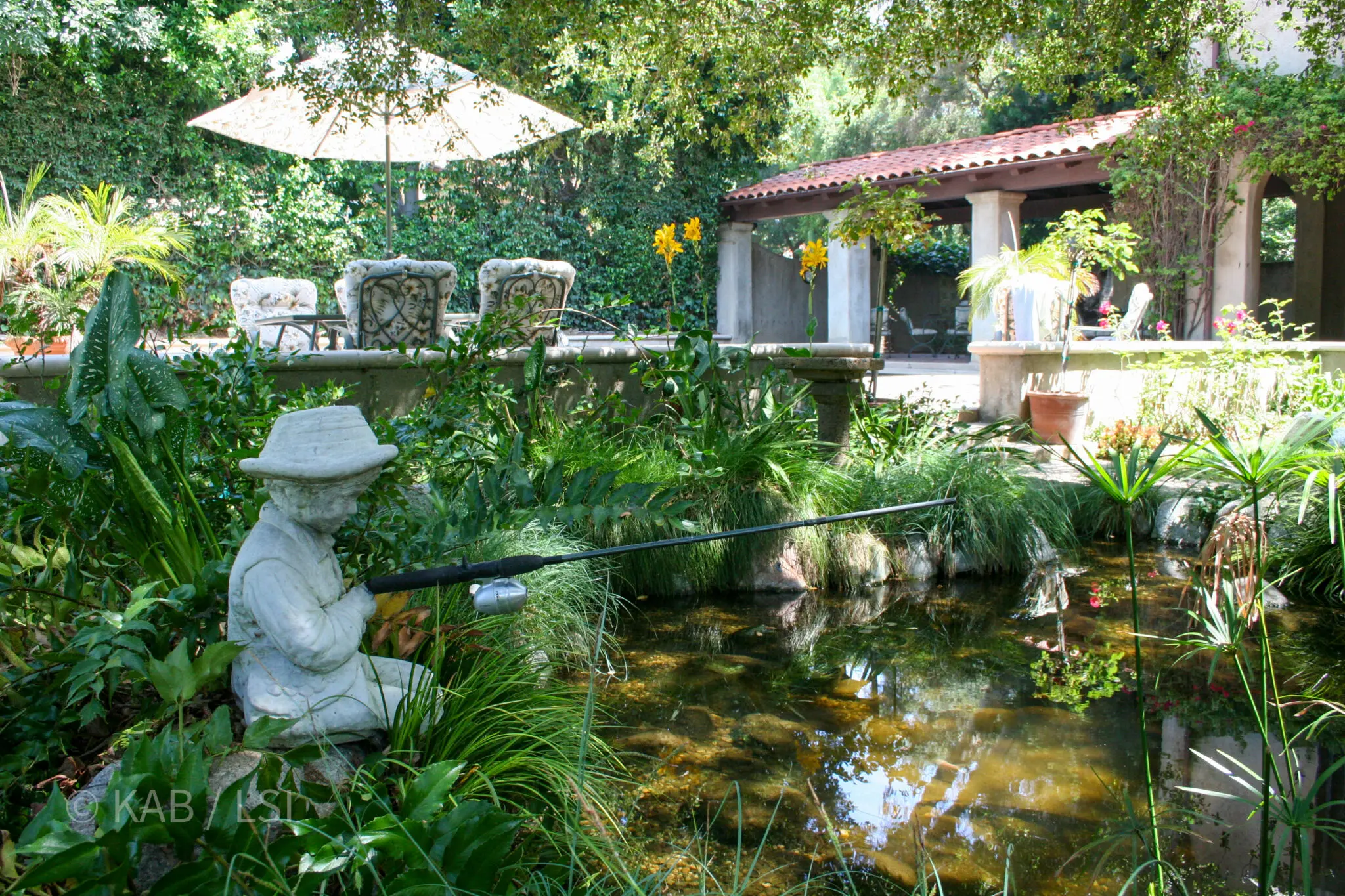
— Photograph
That’s the conversation. Your private space doesn’t have to look like anyone else’s. It just has to be yours.
And when the vision is in our lane, we make it real. When it isn’t, we know someone who can — and we’ll make the introduction.
Who this is for
Six kinds of hillside owners call.
If one of these sounds like you, you’re in the right place.
What you actually get
A person, not a bid.
Judgment, relationships, and the time to think your property through. A single decision today. A one-year plan. A three-year path to where you want this property to be.
The relationship takes whatever shape the work needs. Most clients use some combination of the five below, in whatever order makes sense for their property and their pace.
Thinking the property through.
You want to talk through what’s possible on the lot — outbuildings, terracing, a wine cellar, an RV garage, an office cut into the slope. We sit down with the property and the topography and we think it through. No drawings yet. Just clarity.
Oversight while the work is being done.
Cameras on the work. On-site drop-ins on a schedule. Honest communication back to you about who’s showing up, who’s working, and whether the pace and quality match what you’re paying for. Hillside homes, honestly watched.
Referrals to people I vouch for.
Slabs, trenching, electrical, framing. And the old-school crew that prebuilds wine-cellar-grade outbuildings offsite and assembles them on your pad. I’ve worked with these people for decades. I know who shows up and who doesn’t.
Interviewing before you hire.
You found someone. You’re not sure. I’ll meet them, ask the questions you didn’t think to ask, walk the property with them, and tell you what I’d do. Forty-five years on this hillside has trained the antenna.
Pacing handymen by the hour.
Some jobs don’t need a contractor — they need steady hands and someone keeping them honest about the day. I’ll help you line up the right people, set the day’s scope, and check the work before you pay. Small jobs, fairly priced, no drift.
Whatever you need to actually move forward without getting taken or stuck.
The on-property visit
Two questions, one walk.
A property visit. Two to two-and-a-half hours. Whatever shape the conversation needs.
Most callers don’t yet know which question they’re carrying. That’s fine. Most aren’t carrying just one.
Some people call because something is off. The floor that reads strange when you walk it barefoot. A line of mud that came inside this winter. A retaining wall that’s leaning a little farther this spring than last. A contractor who stopped showing up, or a bid in their hand that they’re not sure about and would like a second set of eyes on. They know what they’re calling about.
Others call because something might be possible. A pad they’ve been picturing for years. A pergola where the wine tasting could happen this summer. A pathway from the back door to a spot on the property they haven’t sat in once since they bought the place. A French door where a window is. They’ve seen a photograph somewhere — maybe on this site — and a small thing happened. That could be ours.
And there’s a third caller, the one this section is mostly for. They opened a letter. They came here because the envelope was hand-addressed and they were curious. They scrolled through the aerial photographs. They looked at their own property out the kitchen window. And somewhere between the second cup of coffee and the third scroll, they realized something they hadn’t quite registered before: we live on a hillside, and we’ve been living it like a subdivision. The view they were paying for is out the back. The acre they’re paying taxes on is mostly unwalked. The Mediterranean weather they moved here for is being spent inside the house. They don’t yet know what the first project is. They only know they’re ready to live on the whole property—not just inside the house.
What the visit is
One visit. Two to two-and-a-half hours on your property with me, my cameras, and a Bosch laser that knows distance better than the eye does. My team takes aerials for the long sightlines, and the elevated camera gets down close along the eaves — three or four feet off the fascia for the kind of look at your roof you cannot safely get from the ground. We walk what you ask me to walk. The lot, the house, both. The corner you’ve been avoiding, the room you’ve been meaning to redo, the property line you’re not sure about, the bid you’re holding that you’d like a second opinion on. Whatever is on your mind today.
You set the agenda. I bring the eye, the camera, the laser, and forty-five years on this hillside.
The answer usually arrives on the walk
If you’re holding a bid, I’ll tell you what I think of it standing right there. If something’s off in the house, I’ll usually know what’s off before I leave. If you’ve got an idea for the back third of the property, we’ll talk through it on the spot — what’s possible, what isn’t, what it might cost, what I’d do first. For most callers, the walk is the answer. For some, the second conversation is where it lands.
Afterward I take the aerials and the camera shots home and sit with them. I see things on a clean screen that I couldn’t see in afternoon sun on a four-inch display — a roof condition near a chimney, a sightline that wasn’t obvious standing on the property, a drainage pattern I want to look at twice. That study is part of how I do my work, and it’s why I sometimes call a week later with something I want you to know.
About the fee
The fee is small on purpose. It’s the same gesture as a doctor’s office visit — you’ve made the appointment, I’m coming. It filters the curious from the serious. It’s not the start of a meter.
If something we found on the walk turns into ongoing work — a remodel you’d like another set of eyes on, a sequence you’d like help thinking through, a question that wants more time than a walk allows — we’ll figure out what that looks like together. Some clients I see once. Others I see for years. The decision is always yours, and it almost never has to be made on the walk.
And so the fee never feels like a gamble, here’s my promise: if the visit doesn’t earn its keep — if for any reason you feel it wasn’t worth your while — I’ll refund the fee, no questions, ever. I’ve spent forty-five years earning a good name on this hill; I’m not about to keep a dollar that didn’t sit right with you.
And once in a while
Between the walk and whatever comes next, the property hands me a frame that needs to be seen. A sightline you didn’t know you had. An aerial you couldn’t have stood anywhere to take. When that happens, I’ll send the picture. Not because I promised. Because it needed to be seen.
For the readers who want to know more +
After the walk
What happens between the visit and the second conversation.
I leave the property knowing less than I will in twenty-four hours.
Some calls are about a leaning wall, a stain on the ceiling, a contractor who walked. Some are about a corner of the property you’ve never stood in. Most are about both. The fee buys whatever shape the visit needs.
The walk itself is the easy part. We meet on your property. I measure what needs measuring — photograph what needs documenting inside the house. If the home’s exterior walls and roof are concerning, or impact the interior repairs or upgrades, I have aerials taken to document the home’s protective envelope. And whether or not the envelope is the question, aerials always cover the property — the slopes, the tiers, the fencing, the security perimeter, the untapped 90%, the corner you’ve never stood in. Even better if you have a vision to share, a plan you’re developing, or exterior possibilities you’re envisioning. Two and a half hours. Then I leave with the footage.
Then it gets interesting. The aerials, the elevated-camera frames, the laser measurements, the photographs from the rooms we walked through, the sightlines uncovered, the angles I didn’t expect to find — none of it lives on the property. It lives on the SD cards from the iPhone and whatever cameras came along that day — imported into Lightroom, studied on 4K monitors back at the office, where I sit down with all of it and start finding things. The view from the back corner you’ve never stood in, because there’s brush in the way. The fascia detail near the chimney that doesn’t read right from the ground. The wall in the master bedroom that’s longer than it looks, and the window that wants to become French doors. Slope angles that read differently from above than from where we were standing. Clay soil that swells against the south wall and explains why those doors stick after a winter rain and swing free again in summer.
The aerial work does two jobs at once. When the visit is about what’s possible outside, it climbs for sightlines, possible pathways, stairs, destinations to make the 90% of the hillside part of your growing private spaces. When the visit is about something off in the house, it flies the perimeter — four feet off the fascia, slow passes around the chimney and the soffit returns, the kind of look at your roof you cannot safely get from the ground. If something out there is staining the wall in the upstairs hallway, the answer is usually visible from a few feet off the eaves with a massive one-inch 8K sensor pointed at the right detail. The camera resolves at four feet what the eye can’t resolve from forty — closer to diagnosis than poetry, and after decades of unloading extension ladders against fragile fascia, I’m grateful for every flight that keeps people and property safe.
Inside, the work is quieter and slower. The laser measures the rooms we’ll be having conversations about. The bedroom the kids grew up in, with its actual dimensions instead of remembered ones. The wall the French doors want to be in, and what’s behind it. The pantry that wants to be a butler’s pantry. The carpet you’re ready to be done with, and what subfloor is underneath it. None of these answers happen in the moment. They happen at my desk.
By the time I’m done, I usually know more about your property than you do. Not in any condescending way — you’ve lived there, you know how the kitchen handles the morning light, you know which neighbor’s dog barks at 5 AM. But the macro view, the perimeter envelope, the wall behind the wall, the photograph that explains the stain — those are mine to bring back to you.
That’s the second conversation. Usually at your kitchen table, or over coffee somewhere quiet. By then you’re not paying for the visit anymore. You’re seeing what the property actually requires for a remedy, for a solution to some nagging issue — what your property has to offer, inside and out, and we’re talking about what you want to do with it. Often the conversation is about sequence — which thing first, which thing in five years, which thing never.
Some clients want me on the property weekly after that. Some call once a quarter. Some keep me on monthly retainer because it’s easier than calling.
The Practical Part
About billing — and how this works.
The visit fee covers the walk — and the desk work that follows. Everything after that, if there is an “after that,” is hourly, at a rate I’ll quote on the second conversation — in line with senior trade rates, well below what an attorney charges.
No retainers. No contracts. Either of us can stop at any time. The relationship is the product. The billing just keeps it honest.
For my neighbors up here who are retired and holding on — facing the property taxes, the utilities, the upkeep a hillside acre asks for — a good part of what I do is simply giving back to the hill I live on. I don’t bill those neighbors, and I’m glad to do it.
And for those who need real oversight — a project watched honestly from start to finish — I’m available, and I work for hire. Here’s what that means, and what it doesn’t. I’m incorporated. I’m insured. There are no 1099s for you or your accountant to deal with. I don’t manage the tradespeople on your property, and I don’t stand between you and them on money — you pay them directly, I never touch it. I don’t take referral fees or kickbacks from anyone I send your way. My only pay is the time you ask me for, billed by the hour.
That’s the long answer to why I won’t glom onto you. The shorter answer is I’m here when you need me — and the visit is a real answer in itself, not the start of a meter.
One recent walk
One property visit, recently.
What happens when a hillside specialist walks the back of your property with you.
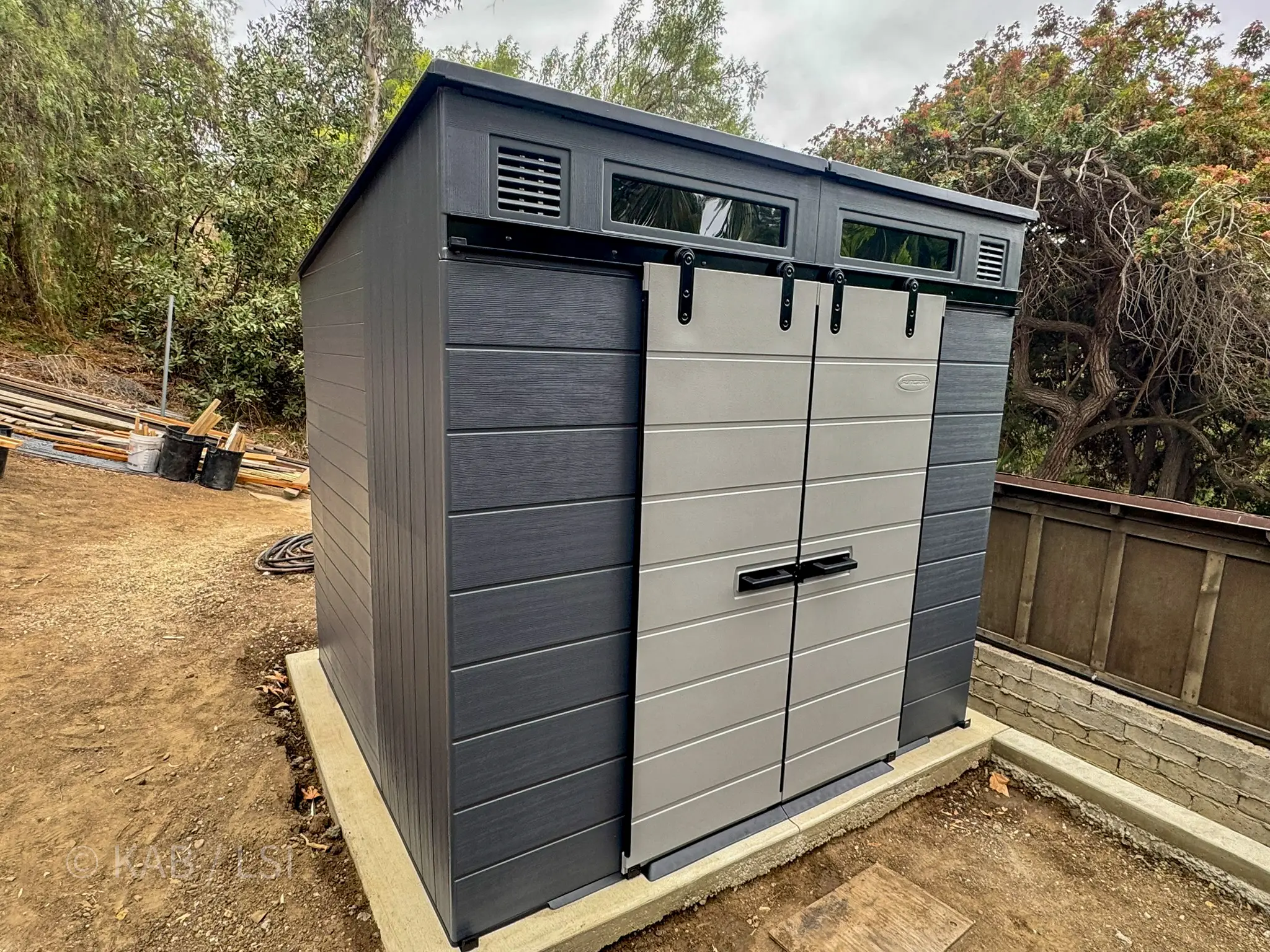
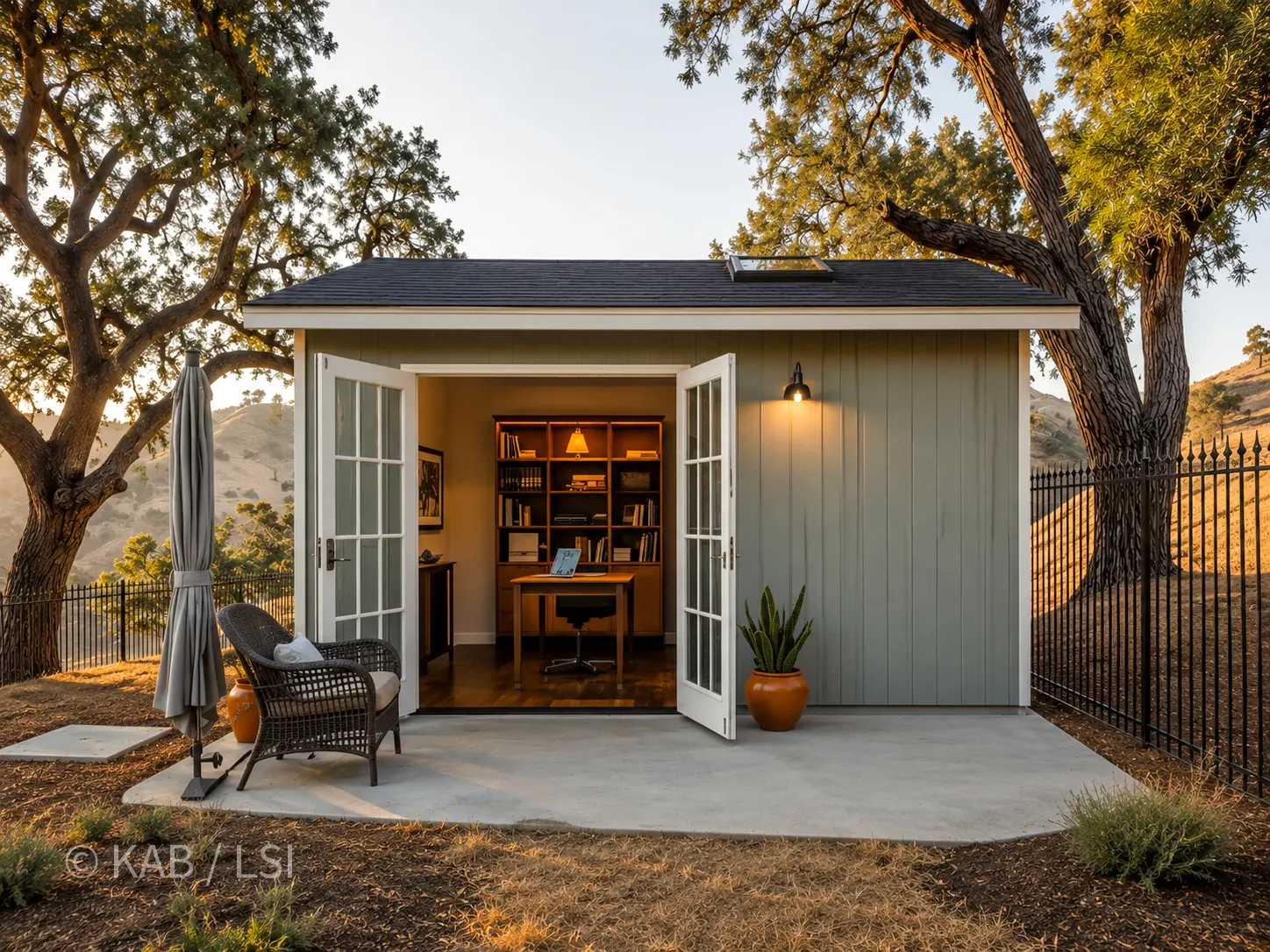
One acre or more means room to build. A she-shed with power and air conditioning. A quiet professional office in the far corner of the property — for a therapist, an author, a telehealth provider, a lawyer who needs distance from the house. An RV garage that doubles as a guesthouse. A studio. An outbuilding set on a concrete pad that falls within the building code’s definition of a temporary structure and doesn’t require a full permit process.
Most hillside homeowners have never had someone walk their lot and tell them honestly what’s possible. That’s the conversation I’m offering.
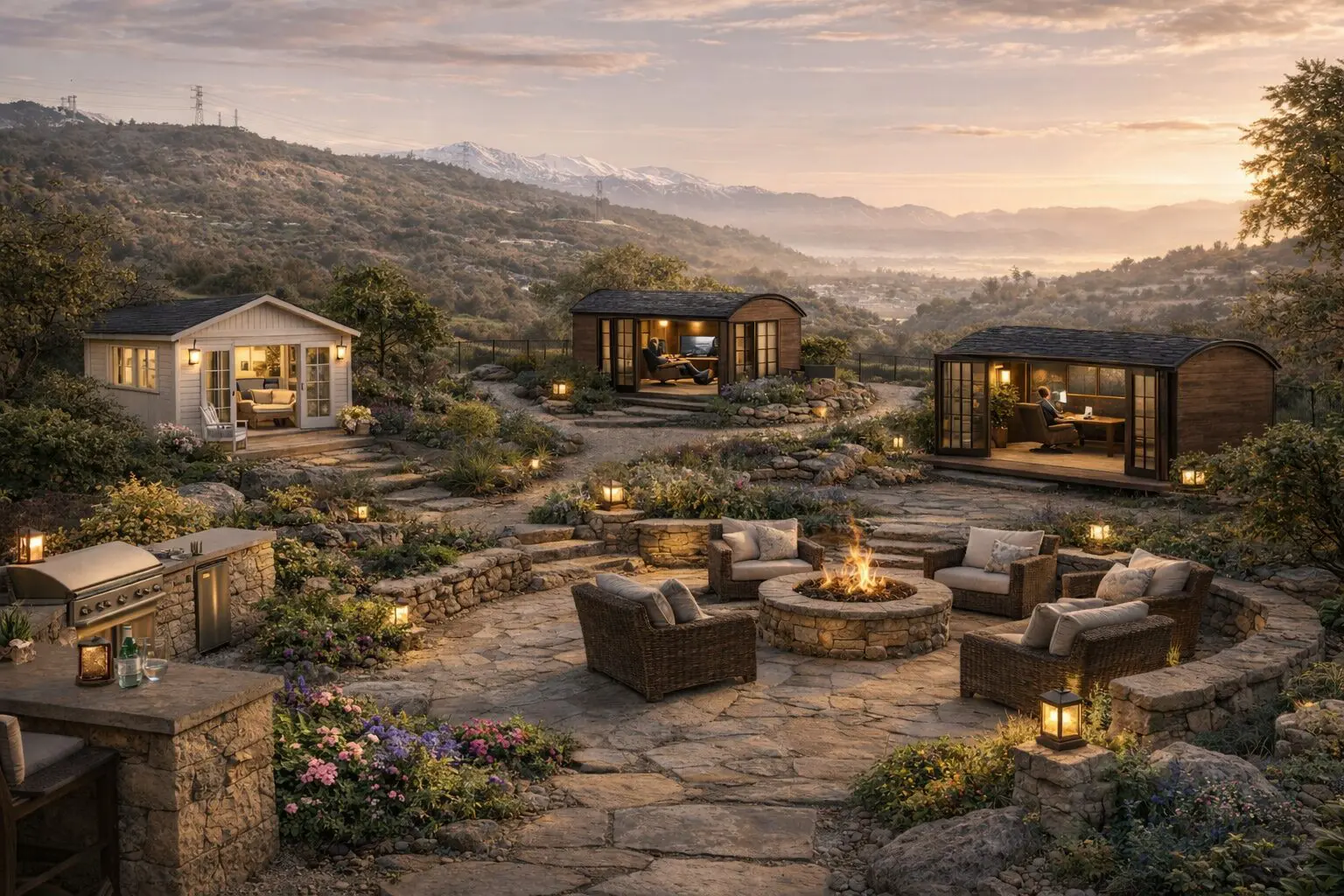
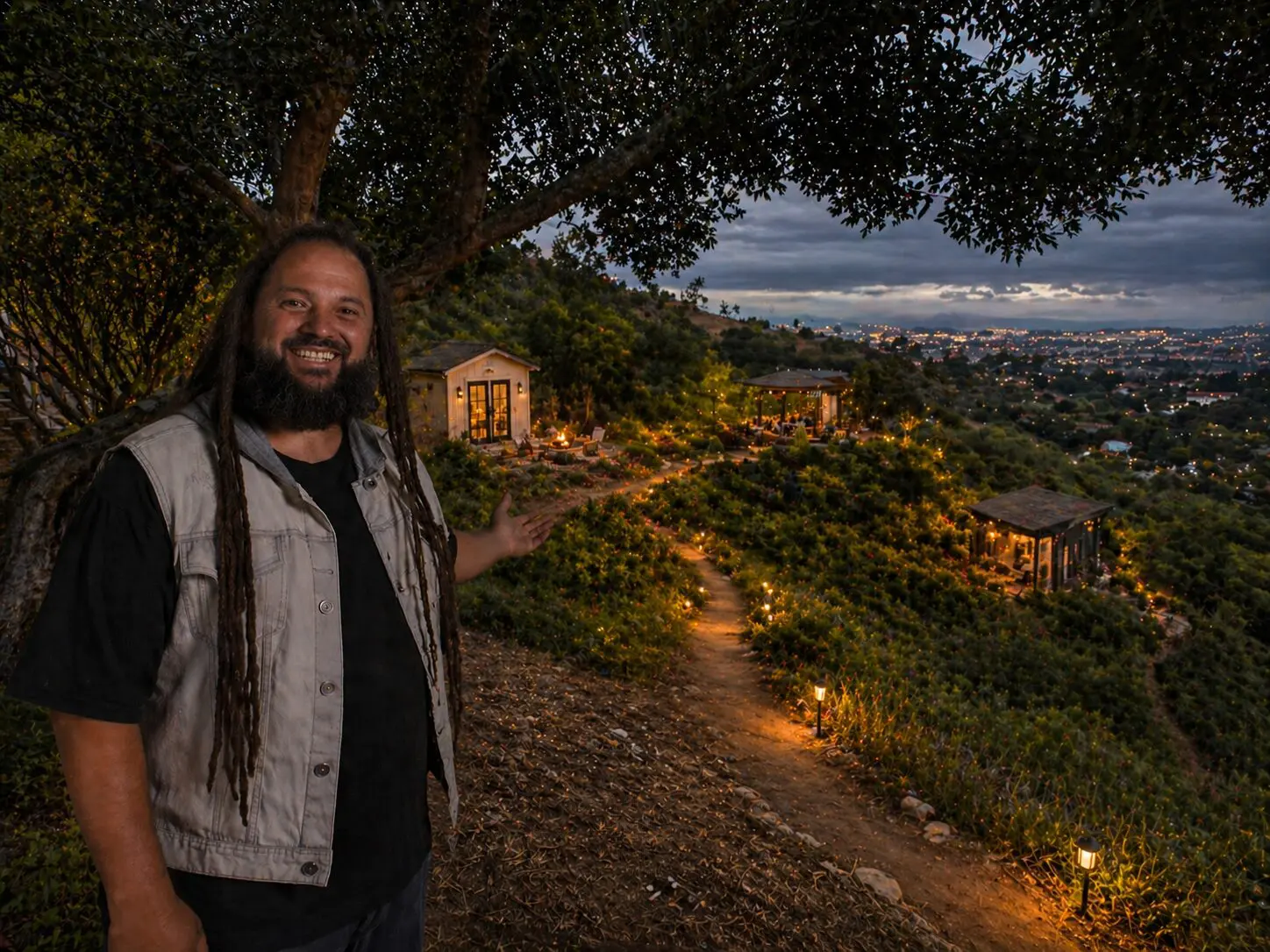
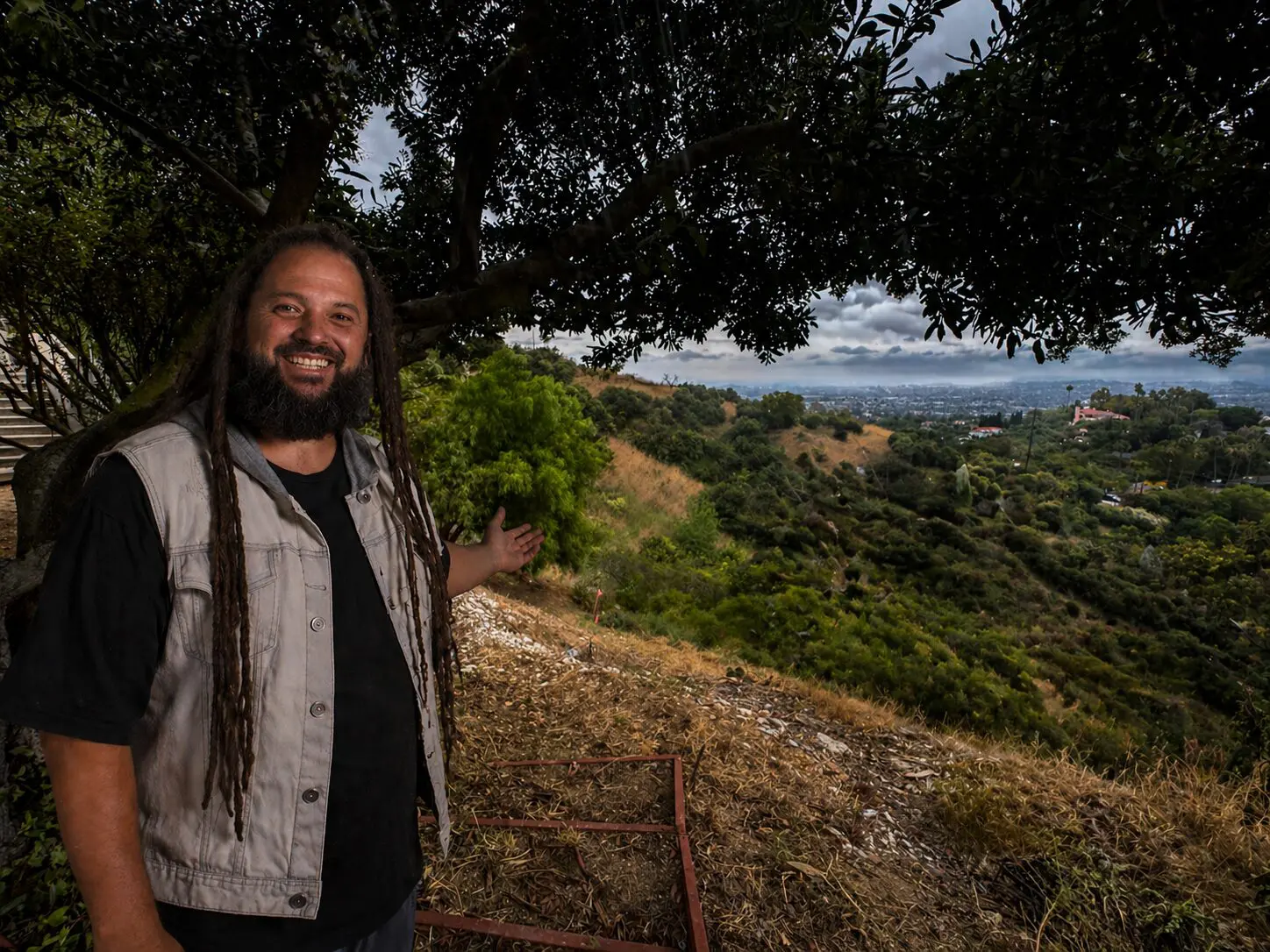
The BEFORE and AFTER images above are from a real property visit — a photograph from a recent walk, paired with one of many of Keith’s design renderings for several potential projects on that hillside. The homeowner’s identity has been protected; the site survey is real.
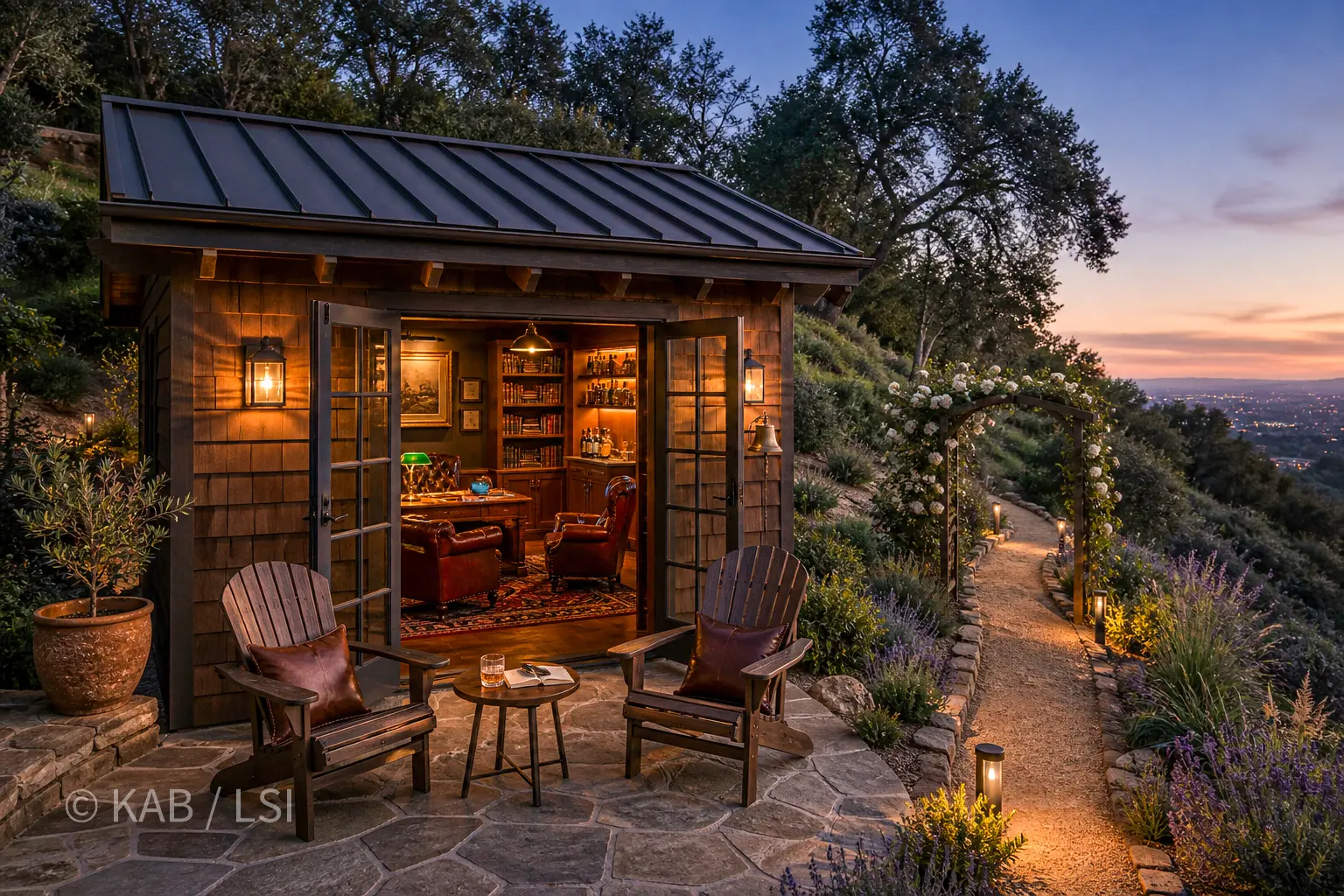
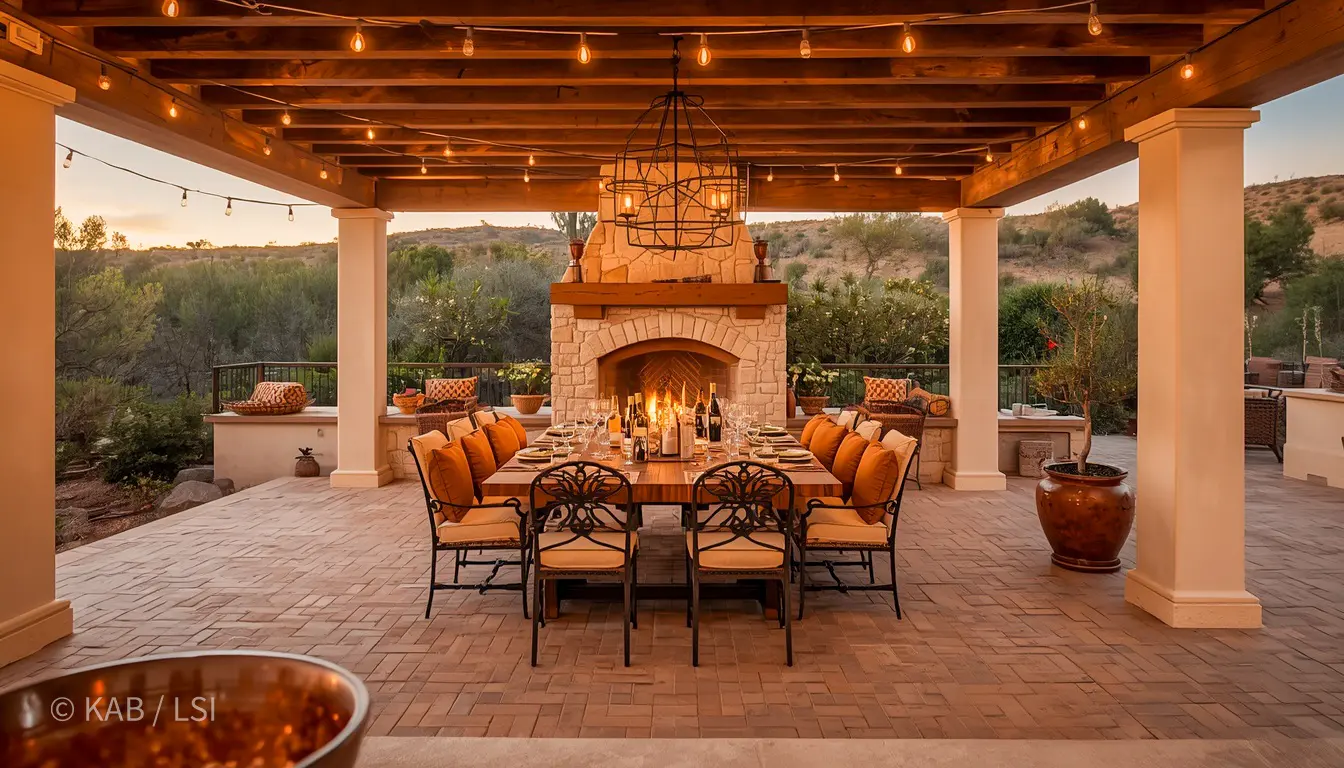
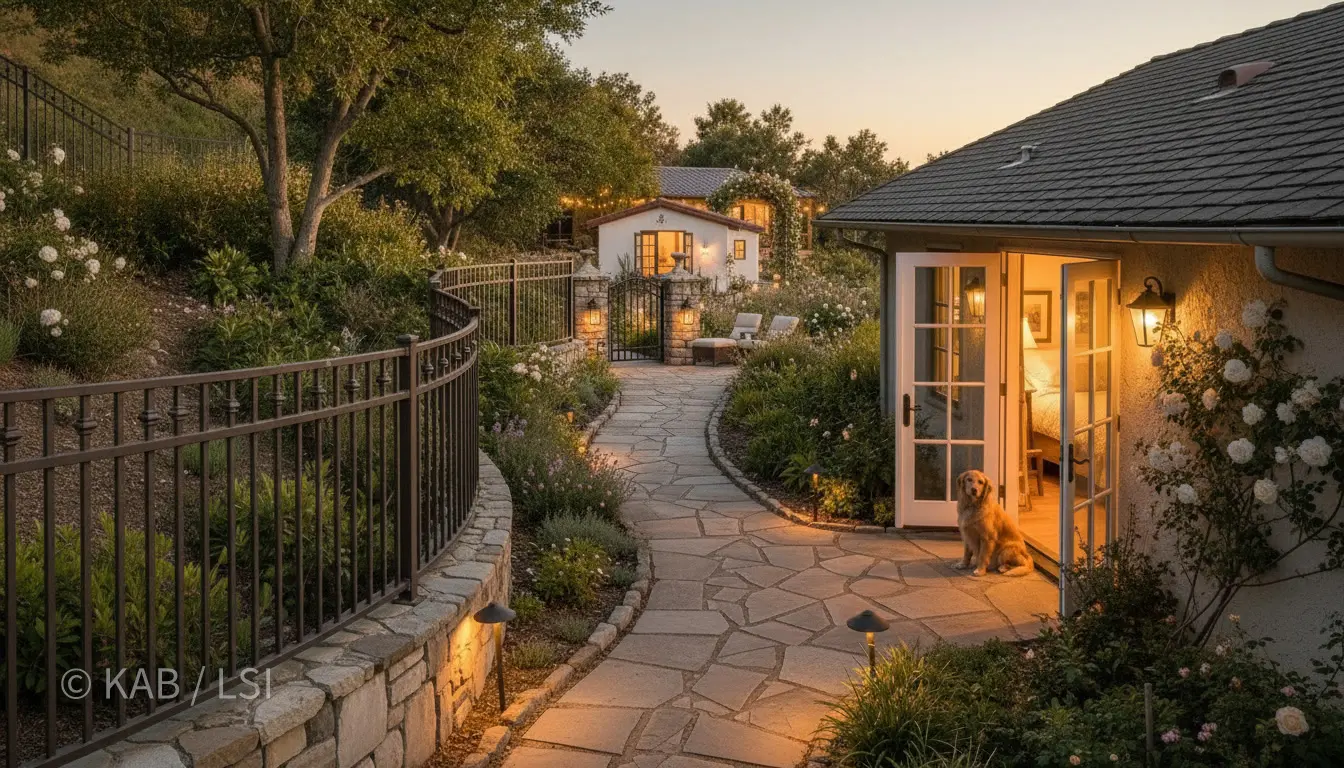
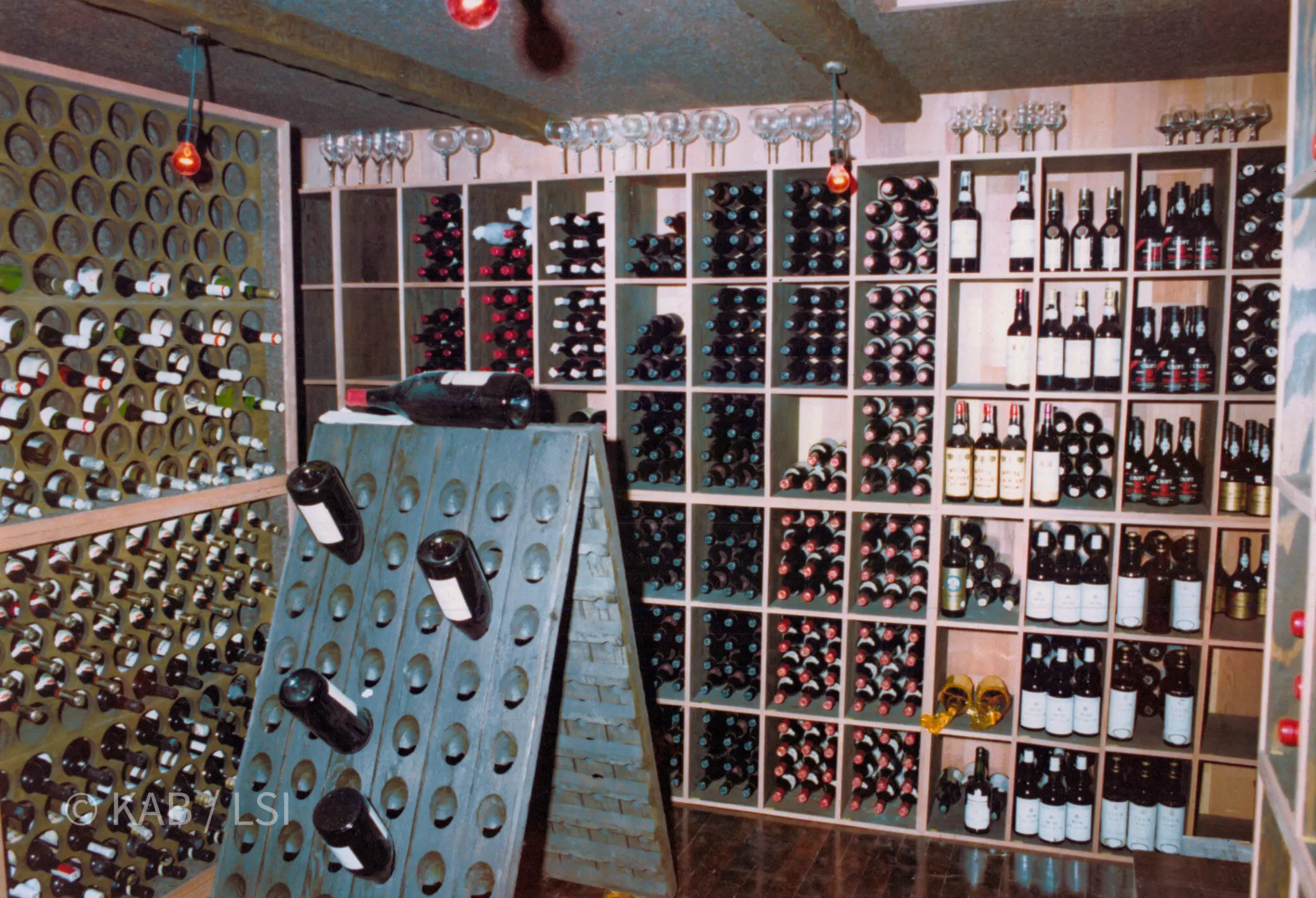
Below: a few are projects I personally built, forty years apart in my career. The others are renderings made for engaged neighbors — work they’re actually considering — which makes them a window into what people on this hill are reaching for, and what’s possible on your property too, or on any of the underutilized hillsides around us. From a shed on a slab to a hillside that becomes a compound, where you start is up to you.
How I got to the hill
Forty-five years brought me to this work.
Wine cellars in the seventies. Pentagon-spec defense electronics in the eighties. Two decades of hillside hardscape. Inspection reports that closed escrow honestly. RV garages. The whole arc is on a separate page if you want it — coffee and twenty minutes.
Start here
The conversation starts with a phone call.
Tell me what’s going on. We’ll figure out the next step on the call.
By referral and invitation in La Habra Heights and the surrounding hillside communities. Outside the area? Write me a short note about the property. I may know someone who can help.
A full visit doesn’t have to be where this begins — and beginning doesn’t have to cost a thing. Whether you’re ready to bring me out or just quietly wondering what you’d even ask, start with a paragraph. You bought up here because you could; now that you’re in it, most people find they mostly want to kick ideas around with someone who isn’t trying to sell them something.
And if the numbers have gotten tight, tell me — I’ve helped people who were sure they’d lose the house stay in it, by finding income the property was already able to throw off. Fifty years of these problems is a lot of pattern to draw on.
Sometimes I bring in help; more often it’s just the two of us, thinking it through.