Pay As You Go
Repairs at your pace.
Fix what matters, a day at a time — on a budget you set.
When most people picture fixing up a house, they picture the version that scares them: a contractor at the kitchen table with a five-figure number and a calendar that wants it all done inside a week. For a lot of folks up here, that is simply not the shape of the money. The good news is that it is not the only way to keep a home sound.
You do not have to fix everything this month. You only have to stop falling behind.Keith Bennett
A day at a time
The idea is simple. A skilled tradesperson works on your home by the day — generally somewhere around $250 to $375 depending on skill sets — for as many days as your budget allows, and no more. One day a week, if that is what five hundred or a thousand dollars a month will carry. The work moves at the speed of what you can actually set aside from income, cash flow, retirement or Social Security, and it never asks you to borrow against your own peace of mind to keep up.
And if circumstances have left you unable to afford much upkeep at all — living in only part of a home larger than you now need — there are honest ways to bring some fresh income in from the property itself. I have helped many people do exactly that over more than forty years. Just reach out.
What a month can do
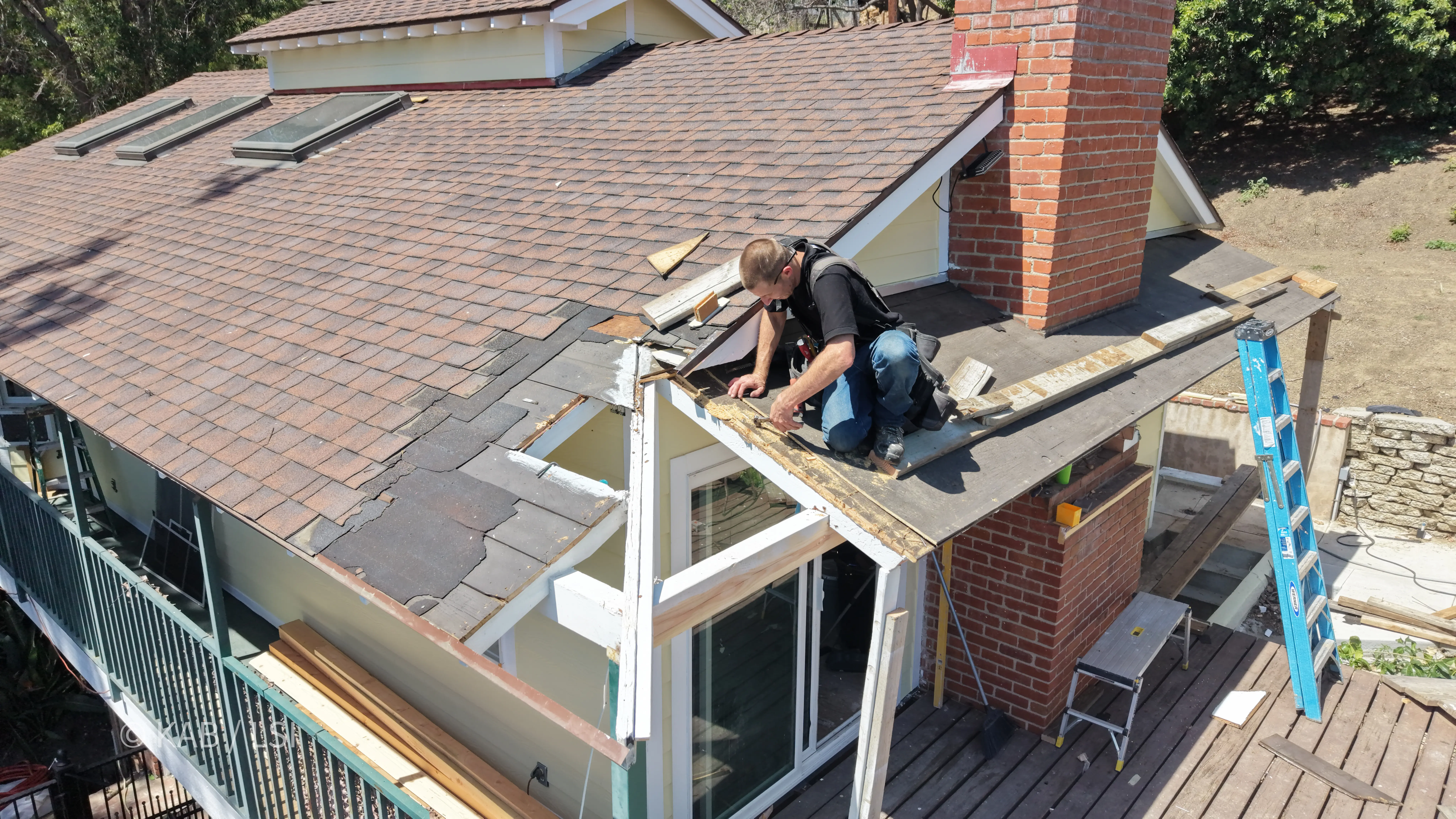
Say the eaves are the worry — the roof’s overhanging edge — the kind of thing an appraiser pokes at with a nail on the end of a stick, looking for rot or termite damage. Left alone, it is one of the worst findings a seller can draw. In my years running inspections, the eaves were almost always among the handful of items that came back to bite the seller — thousands off the price, the loan stalled, and now and then the whole sale collapsing into a fight over the deposit that ends up in front of a judge. I have real-estate-attorney clients whose practice is largely the wreckage of escrows undone by a repair like this, necessary or not. Worked one day a week, it can be sound inside a month. Four quiet visits, and a problem that might have killed a loan simply is not there anymore.
First things first
When the money is paced, the order matters. So we begin with the items that do the most damage if they are found — the safety railing that is not there, the wiring left open, the unfinished room, the rot where an inspector goes looking. Get the things that become leverage off the table first. The cosmetic list can wait for a better month.
The Everyday List
None of these were emergencies — yet. They are the ordinary things that, left to the weather and the calendar, become the line items an inspector circles.
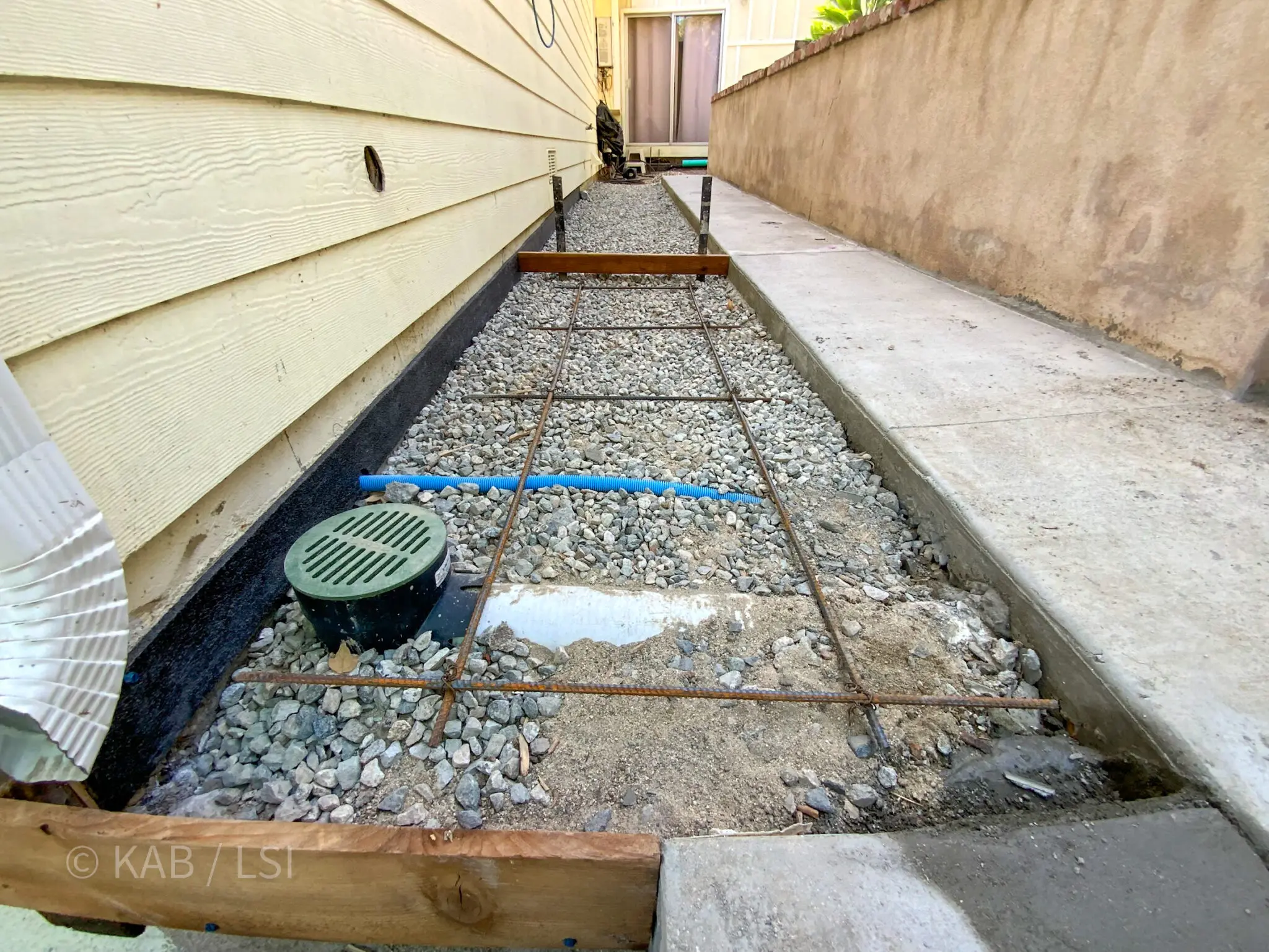
Small repairs don’t stay small
A hillside home is always in a slow argument with time, gravity, the weather, and our impressively destructive clay soil. What is small and cheap this season tends to be neither one next year. Staying a little ahead is not about perfection — it is about never letting the list grow faster than you can answer it. That, quietly, is how a modest budget keeps a home both safe and ready.
What the appraiser sees
It helps to think of your home the way an appraiser does. You have lived in it long enough to stop noticing the floor that leans toward one corner, or the door that no longer closes square — you step around them without thinking. An appraiser reads them in the first ten minutes, and photographs everything: the handsome rooms, yes, but also the crawl space and the corner where the water came in.
Here, demand runs so high that buyers forgive almost anything — even a neglected home draws strong offers, because so many people want this hillside. An appraiser does not, and a cautious lender forgives less still. And you need not be the one borrowing for that to reach you. Most owners up here would never put a fresh lien on their own home — but the day you stand behind an adult child’s mortgage, or lend your name and your balance sheet to a deal, the lender weighs you, too. Your home is the largest asset you own; let it quietly slip, and you have shrunk the very net worth someone is counting on you for. Its condition is on record, in a system lenders share, for longer than you would guess — and on a marginal call, that is what turns a confident yes into a smaller one, or a no.
None of this is about money you do not have. The people who live up here can keep a home in good order — what is usually missing is only a place to start: what comes first, what can wait, and whom to trust with each piece. That is the whole of what I do. Once we have walked it through, you will know — and most of it you will simply handle, on your own schedule and out of your own pocket, long before any appraiser ever rings the bell.
How this actually works — the part most people never see
When a home is financed, the appraisal — value, condition, and photographs — is submitted to a database the mortgage industry shares; Fannie Mae’s Collateral Underwriter system alone holds more than seventy million of them, and a submitted appraisal stays viewable there for three years. It is not public; access is limited to approved lenders. But a lender weighing a loan — yours, or one you are backing — can pull the prior appraisal on a property and read what it found, photographs included. The record follows the house.
Sources: Fannie Mae — Collateral Underwriter; “Are House Appraisals Public Record or Confidential?” — LegalClarity.