About · Private Spaces · La Habra Heights
Forty-five years on the La Habra Heights hillside.
Sit with someone who has watched a thousand hillside properties become what they were trying to be — and built or rebuilt many of them himself. Foundations no longer level after thirty years. Houses that need an addition, an elevator, an observation deck, a one-year makeover from the studs out. The same strategist’s instinct I use for my law firm clients at Strategic Digital Agency — applied to hillsides, outbuildings, and the third acre nobody’s used yet.
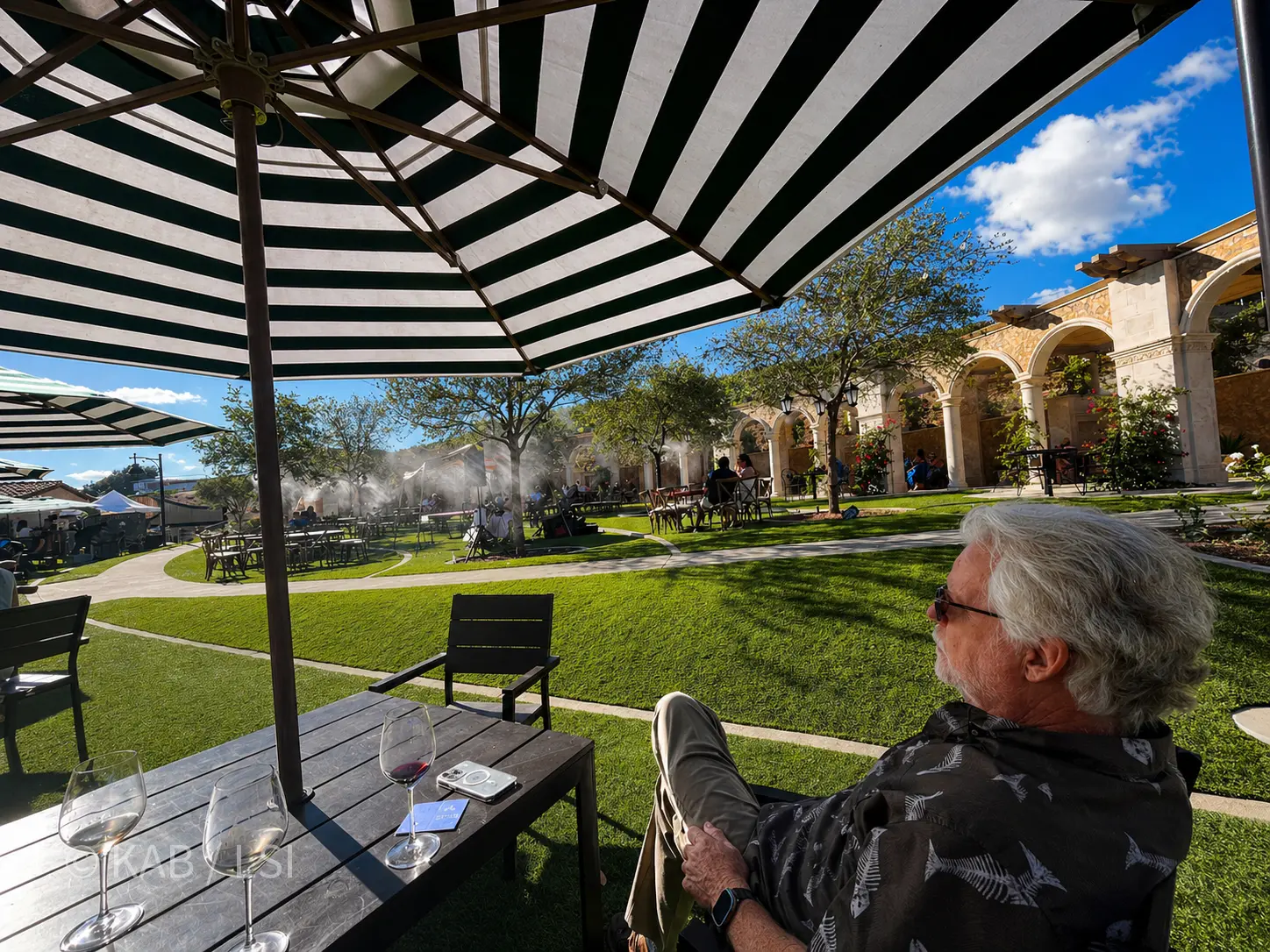
Most hillside owners I sit with already know what their property could be. They just haven’t said it out loud to someone who can help them sequence the becoming.
That’s what I do.
I’m Keith Bennett. Forty-five years on the La Habra Heights and Southern California hillsides as a contractor and real-estate professional.
Forty-five years, alongside that, as the technology counselor who wired up Orange County law offices — putting computer systems into firms in 1980, introducing attorneys to email a decade before they thought they’d ever use it. (“Keith, I am never going to get email. Ever. I am an attorney at law. I use FedEx and USPS. My client pays for the FedEx.”) Forty-five years later, the same lawyers run hundred-attorney firms entirely on email and the cloud.
Somewhere along the way they started calling me a strategist. The instinct that walked them across that gap — that helps a tax attorney become the practitioner he’s trying to be — is the instinct I now offer to the people who own the properties I’ve been quietly working on my whole adult life.
The Brainstorming Partner
A brainstorming partner for your hillside property.
Most contractors arrive at your property with a clipboard and a quote. I arrive with questions, a camera, and an aerial crew that shoots in 8K — so the inklings I picked up walking the parcel can be confirmed or contradicted later, in footage I can review again and again. A clipboard-and-quote visit ends when the contractor pulls out of your driveway. The on-property visit is just the data capture; the actual brainstorming happens after, when the property is still in front of me and I can keep looking.
Forty-five years of property visits, give or take. Some of them were a single morning. Some became multi-year relationships, the kind where the homeowner calls because the new dishwasher won’t fit and we end up rethinking the kitchen instead. Some were a phone call from an attorney’s son a decade later, asking what his mother should do with the place now that his father is gone. The walk is just the first hour. What it becomes is determined by what the property is trying to say — and whether the owner is listening yet.
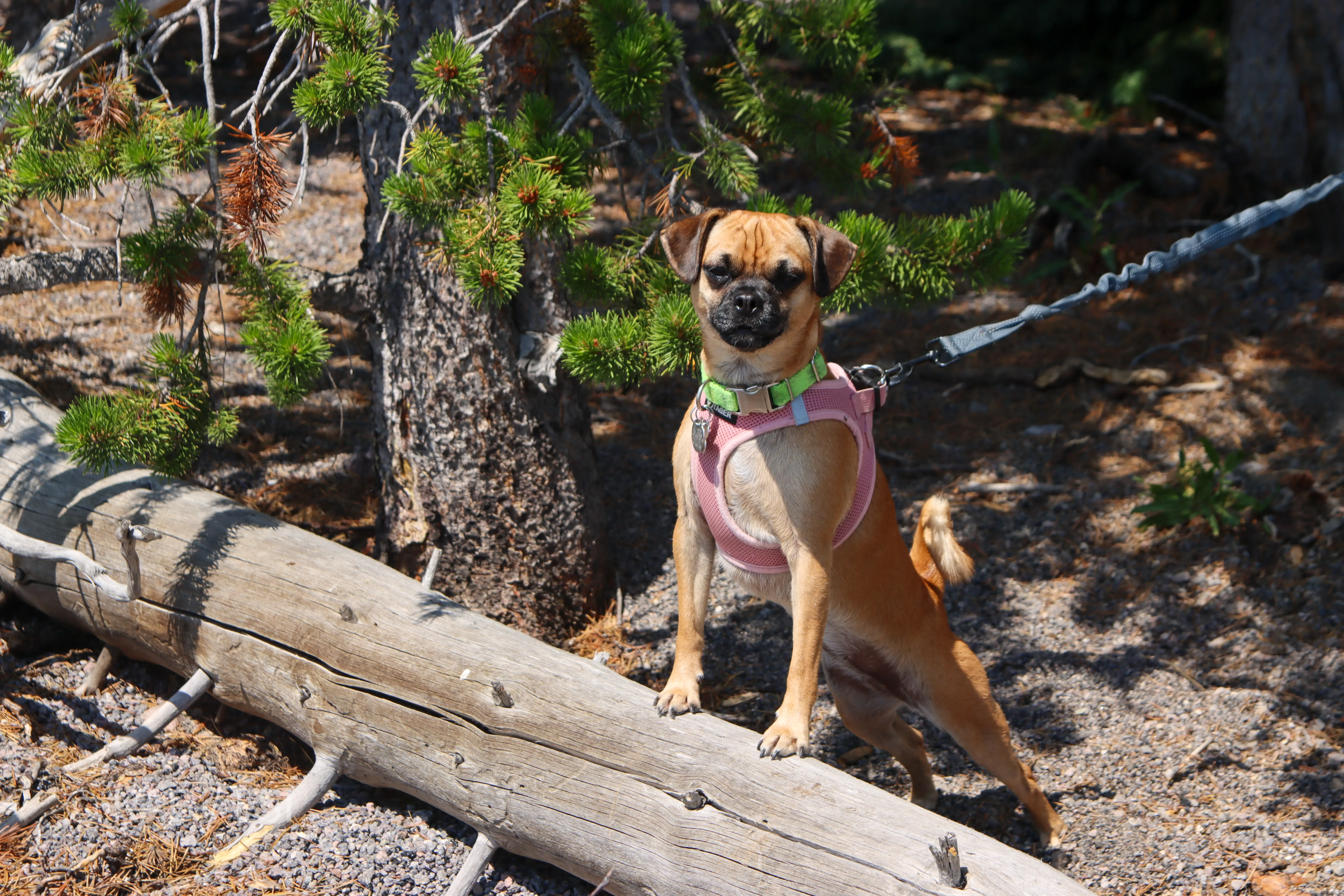
These are the conversations that actually matter, and they almost never happen with the contractor you’re about to hire. They happen earlier. They happen with someone who has watched a thousand hillside properties go through their decisions and has no financial incentive to push you toward any one of them.
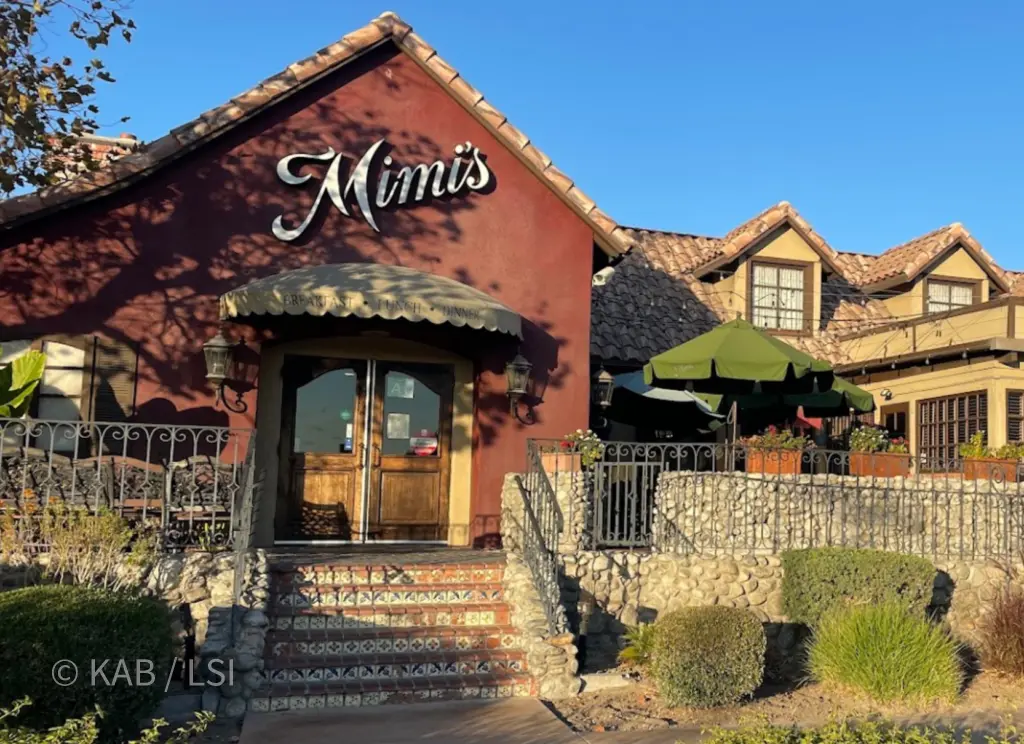
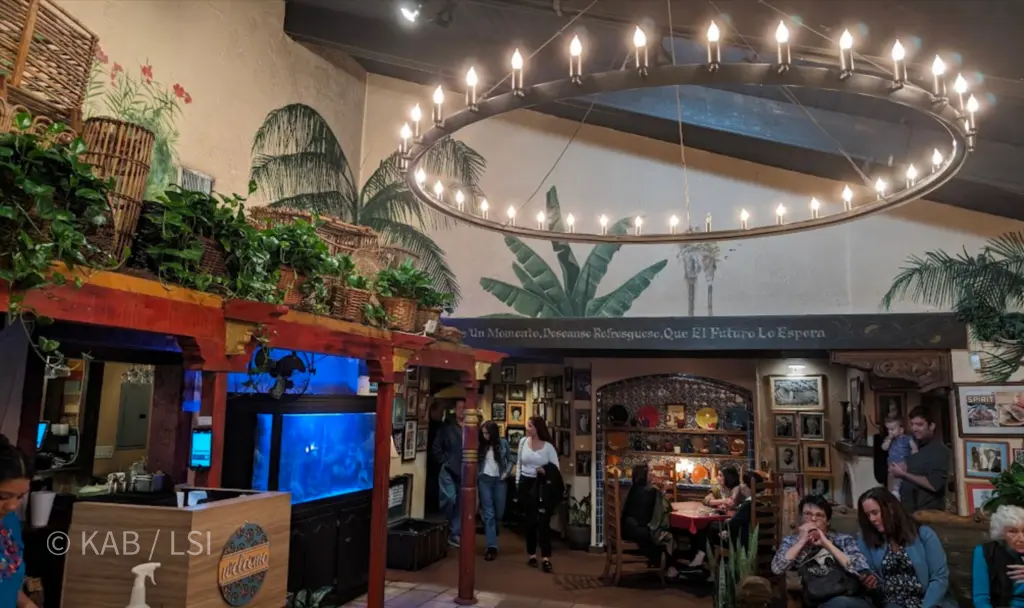
For some clients, the conversation doesn’t end after one walk. That’s usually the sign we’re onto something. We become regular thinking partners — and the second meeting doesn’t always happen at your kitchen table. Sometimes the table isn’t there yet. Sometimes the privacy isn’t either. So we meet halfway down the hill: a coffee at La Habra Heights Cafe with Graciela behind the counter, an omelet on a Saturday morning, a long lunch on the patio at El Cholo, dinner some Friday at Il Gatto next door. Mimi’s if Mimi’s is your place. The aerial photos and the iPad don’t need your dining room. They need a flat table and an unhurried hour.
Where the conversation goes
Four neighbors’ tables — where the second meeting happens when the kitchen table can’t.
+
Where the conversation goes
Four neighbors’ tables — where the second meeting happens when the kitchen table can’t.
Whittier
Whittier
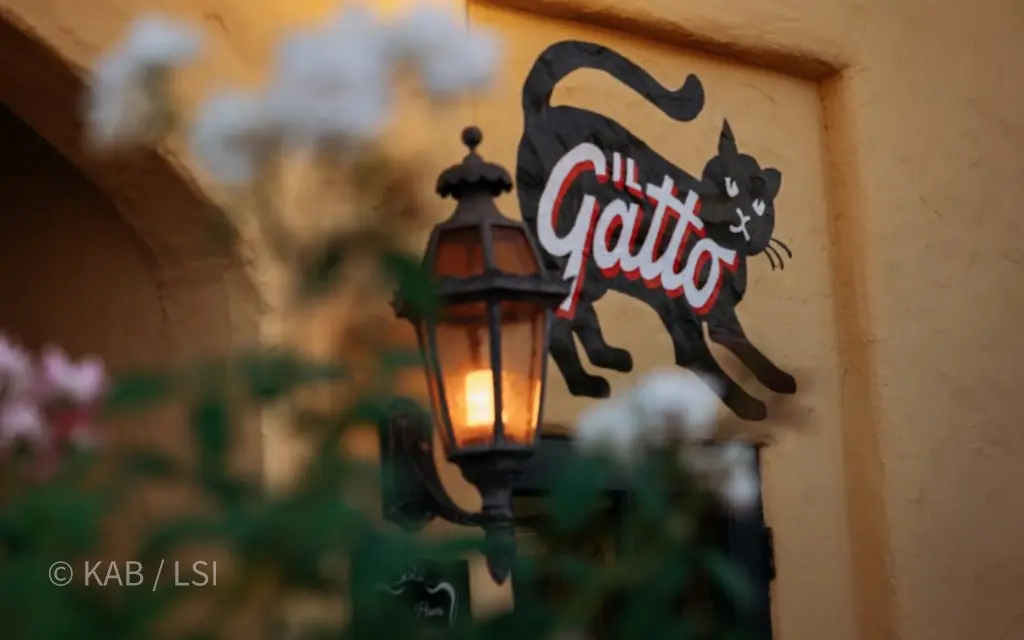
Whittier
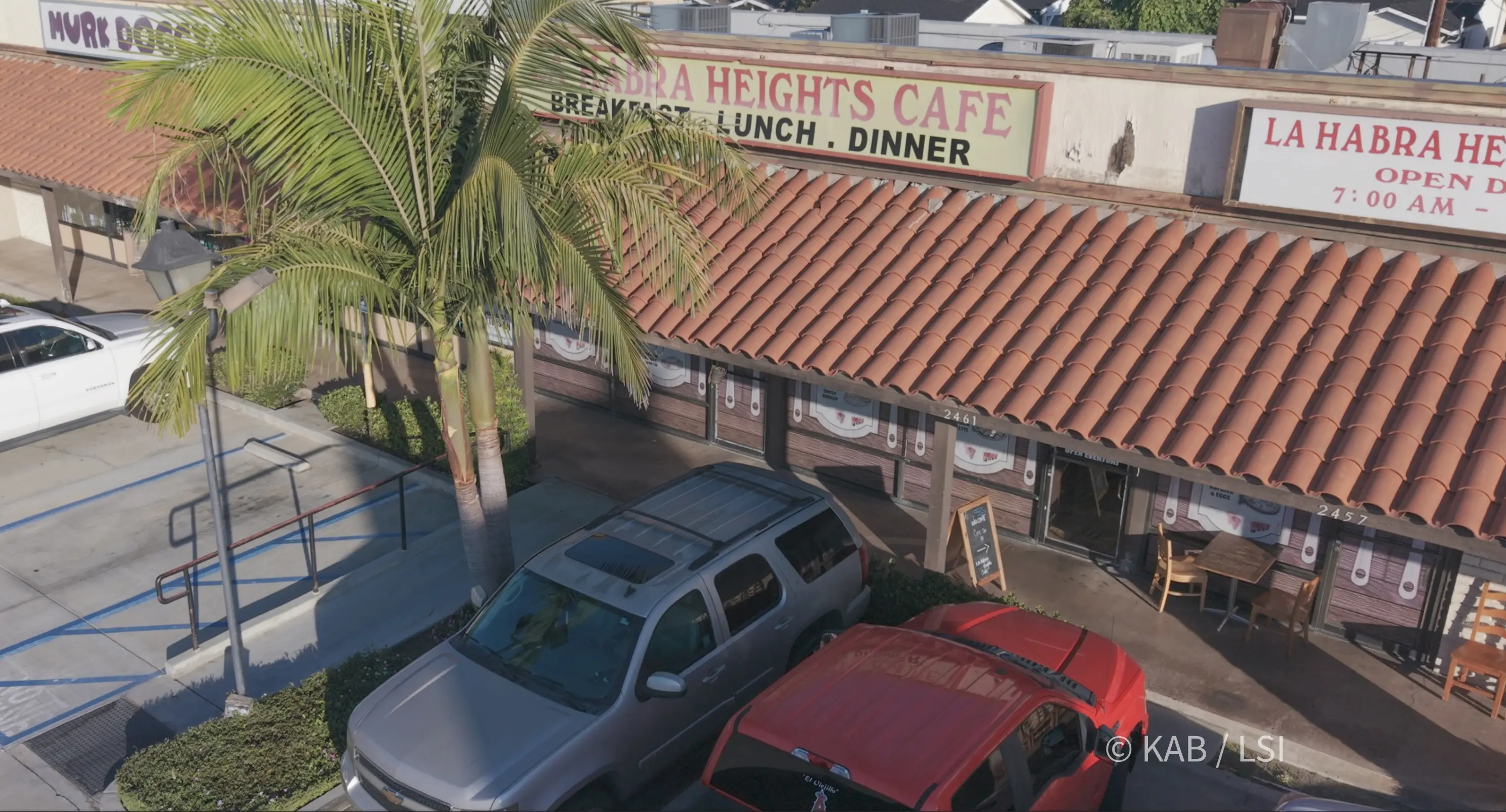
La Habra Heights
All a coasting drive down the hill on Whittier Boulevard.
The conversation continues at my hourly rate, the way my law-firm clients have continued conversations with me for thirty years. Not a project. A relationship. Some properties earn that.
That’s the work. The sequencing, the watching, and the cameras come later — once we’ve agreed on what your property is trying to become.
Different owners, different help
Four ways the conversation goes.
Vision
For owners who don’t yet know what the property could become — a quiet conversation about what’s genuinely possible here, in what order, without a contractor pitch attached. We have a couple hours together. If you want me to look at something — a bid, a contract, a set of plans, an engineering drawing, the broken thing in the pantry — I’ll look at it. Often the visit produces a decision to do less than you thought, and to do it in a different order than you thought.
Sequence
For owners who already have a list — pavilion, deck, light, heating, roof, gate. The list is real. The order matters more than any one item. I help sequence what should happen first, what can wait, and what must be coordinated so later work isn’t forced, duplicated, or undone. Thinking before spending.
Oversight
For owners with a project underway. Overwatch on the parcel. Cameras on site. A weekly honest note. A short phone call when something feels off — your eyes on the work when you can’t be there, quietly, without getting in the way of the trades doing the work.
Steward
For owners who travel, live out of state, or split time. Periodic walks of the property, photographs and documentation, practical guidance when decisions arrive — or when something needs attention before it gets worse.
The first conversation is usually a walk of your property and lunch somewhere on Whittier Boulevard. We talk about what you have, what you might want it to become, and which decisions need to happen first. If we’re a fit, we keep talking. If we’re not, you’ve still had a useful afternoon and a decent enchilada.
Where this strategist’s instinct comes from
The same work, in two practices.
A note on what I do at Strategic Digital Agency
Strategic Digital Agency pays the bills. The hillside work is the passion play — the part of the second half of life where the work and the love of the place are the same work. Forty-five years on hillsides — Malibu, Beverly Hills, Hidden Hills, Orange Park Acres, Silverado Canyon, Yorba Linda. Thirty-eight of those years lived on this one. The agency funds the season; the hillside is what the season is for.
The agency works with attorneys, fiduciaries, mental-health professionals, engineers, and small-business owners — practitioners who want their digital reflection to match the practitioner they’re working to become, not the cookie-cutter version their competitors are using. The wealthy proactive client shopping for an estate-planning attorney does not want a courthouse stock photo and four matching headshots. They want a person to know. The same is true of the wealthy proactive owner shopping for someone to walk their hillside property with.
The version of you on the website is a promise you make in public. Keeping that promise is what makes you the practitioner who wrote it. Properties work the same way. The agency does this work for law firms. I do it for hillside homes and the always-unique ground they sit on.
If you want to see what this looks like
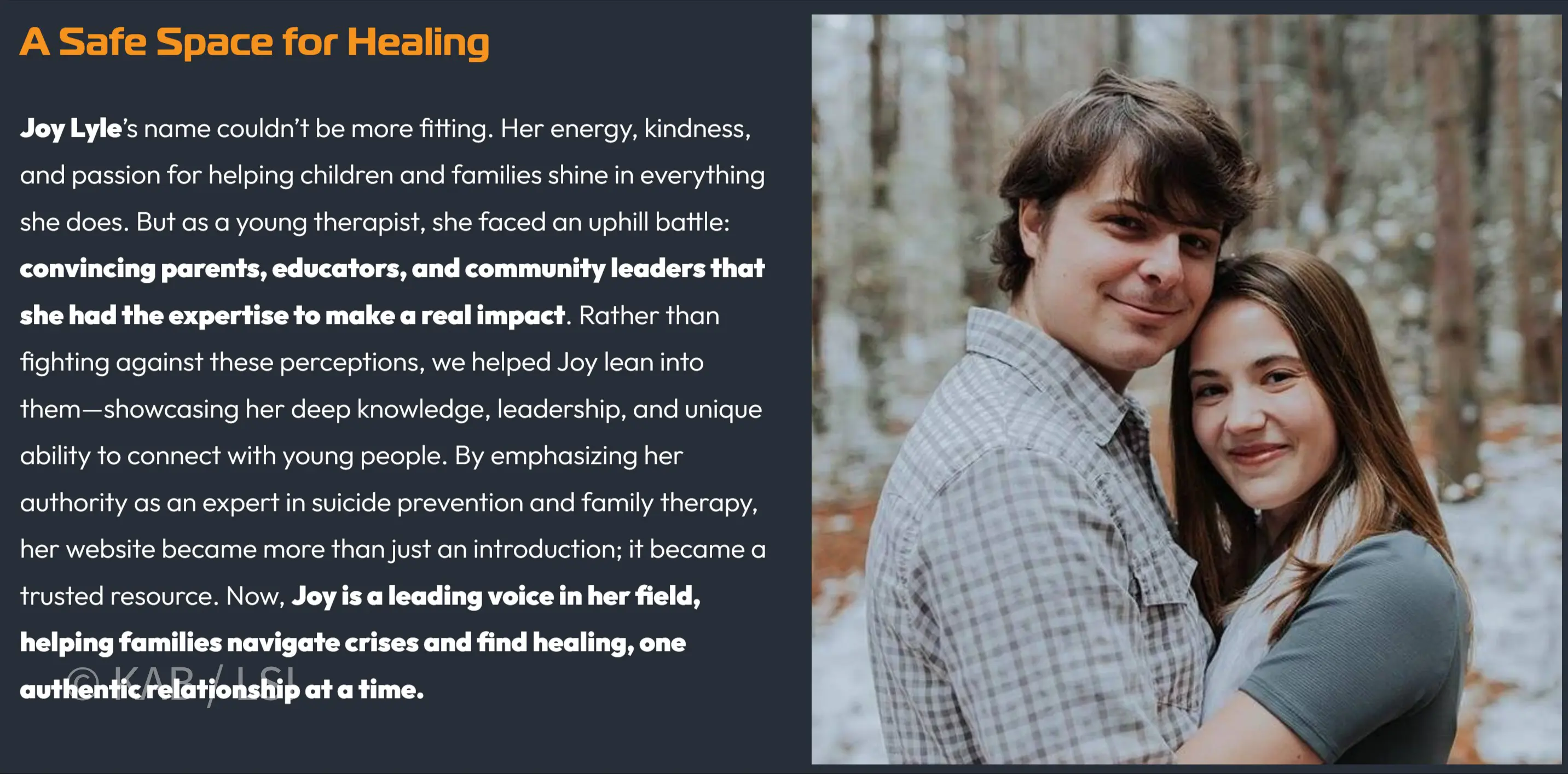
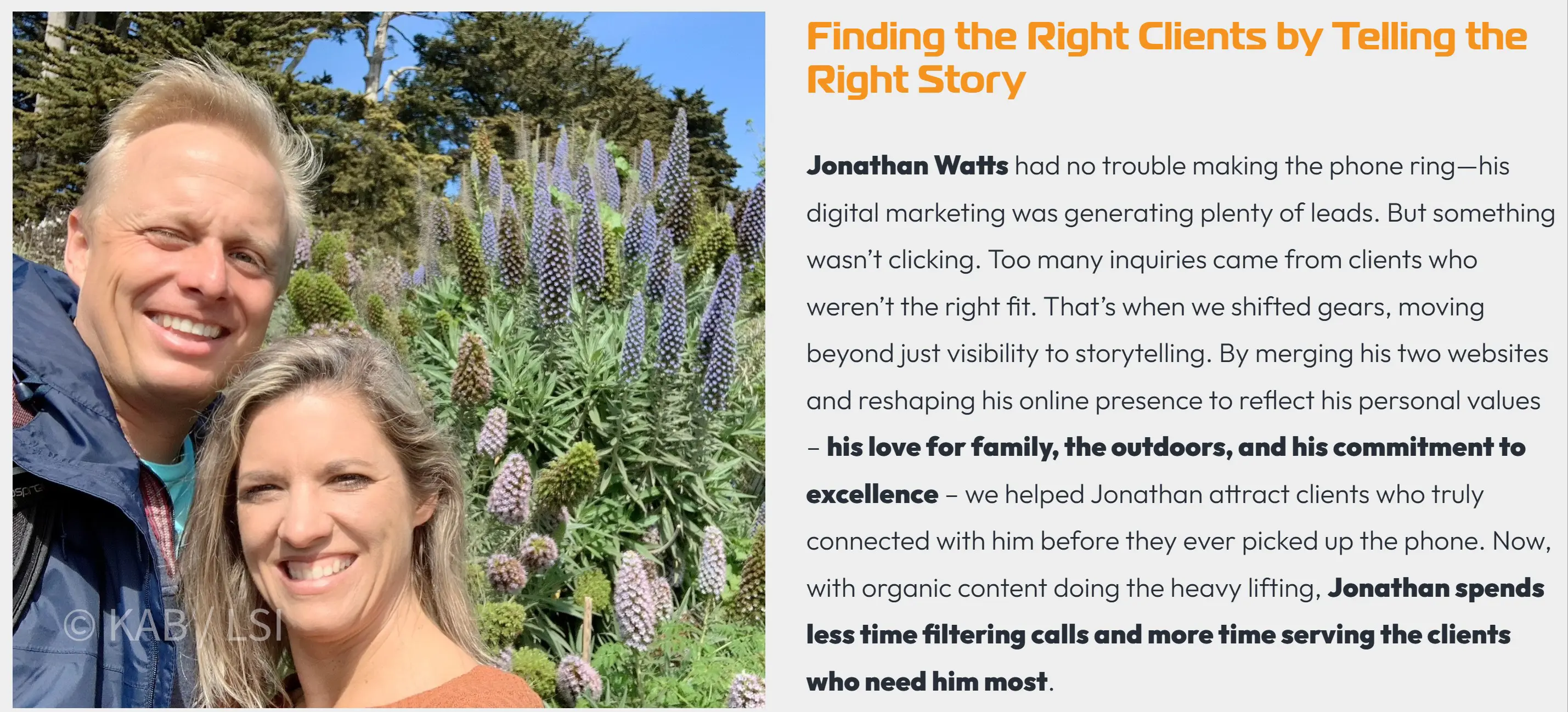
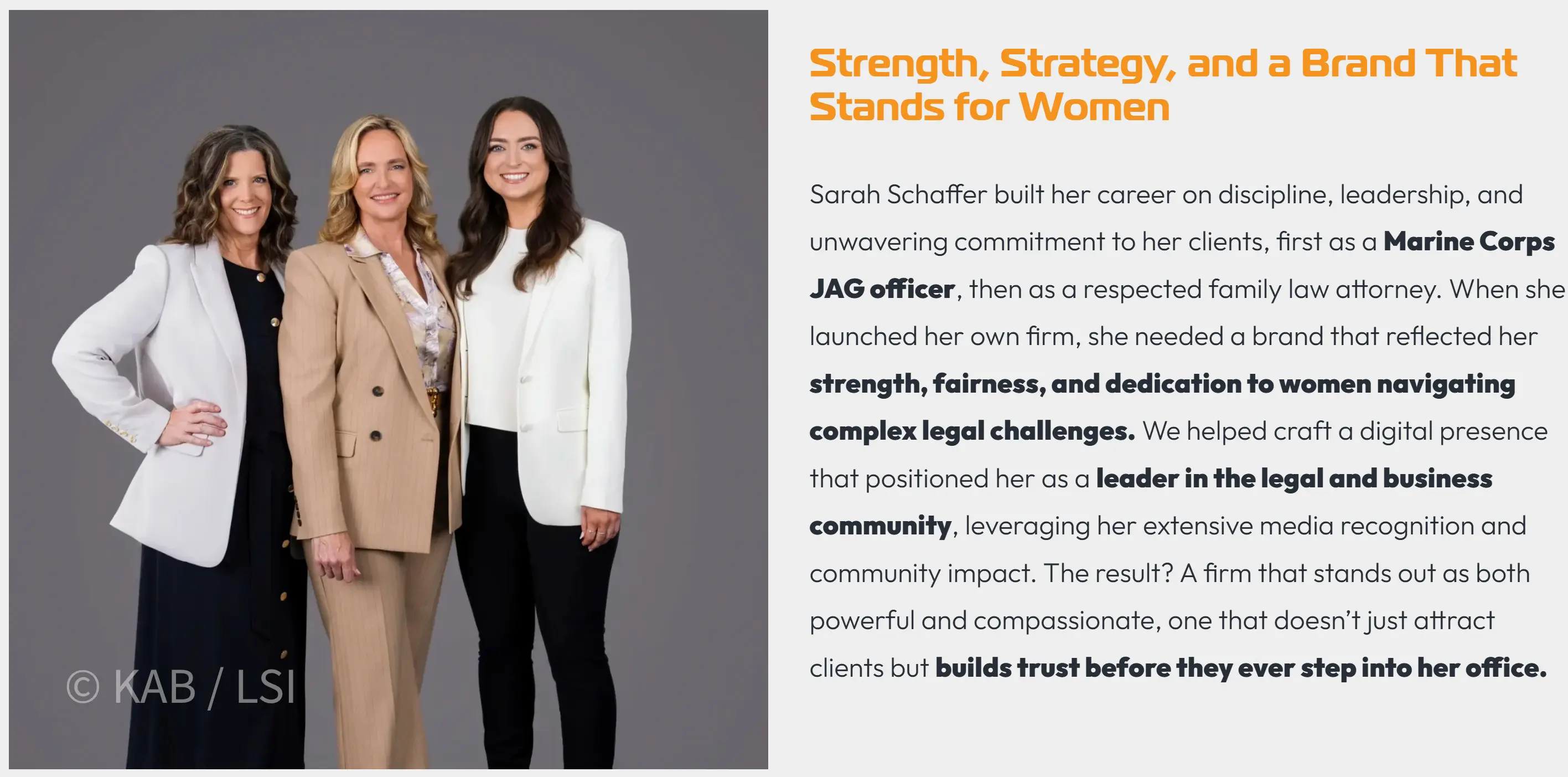
Five examples are inside — a law practice, a therapy practice, an estate-planning practice, a tax practice, a comedian-therapist. Same work. Different rooms.
+
If you want to see what this looks like
Five examples are inside — a law practice, a therapy practice, an estate-planning practice, a tax practice, a comedian-therapist. Same work. Different rooms.
Who you’d be working with
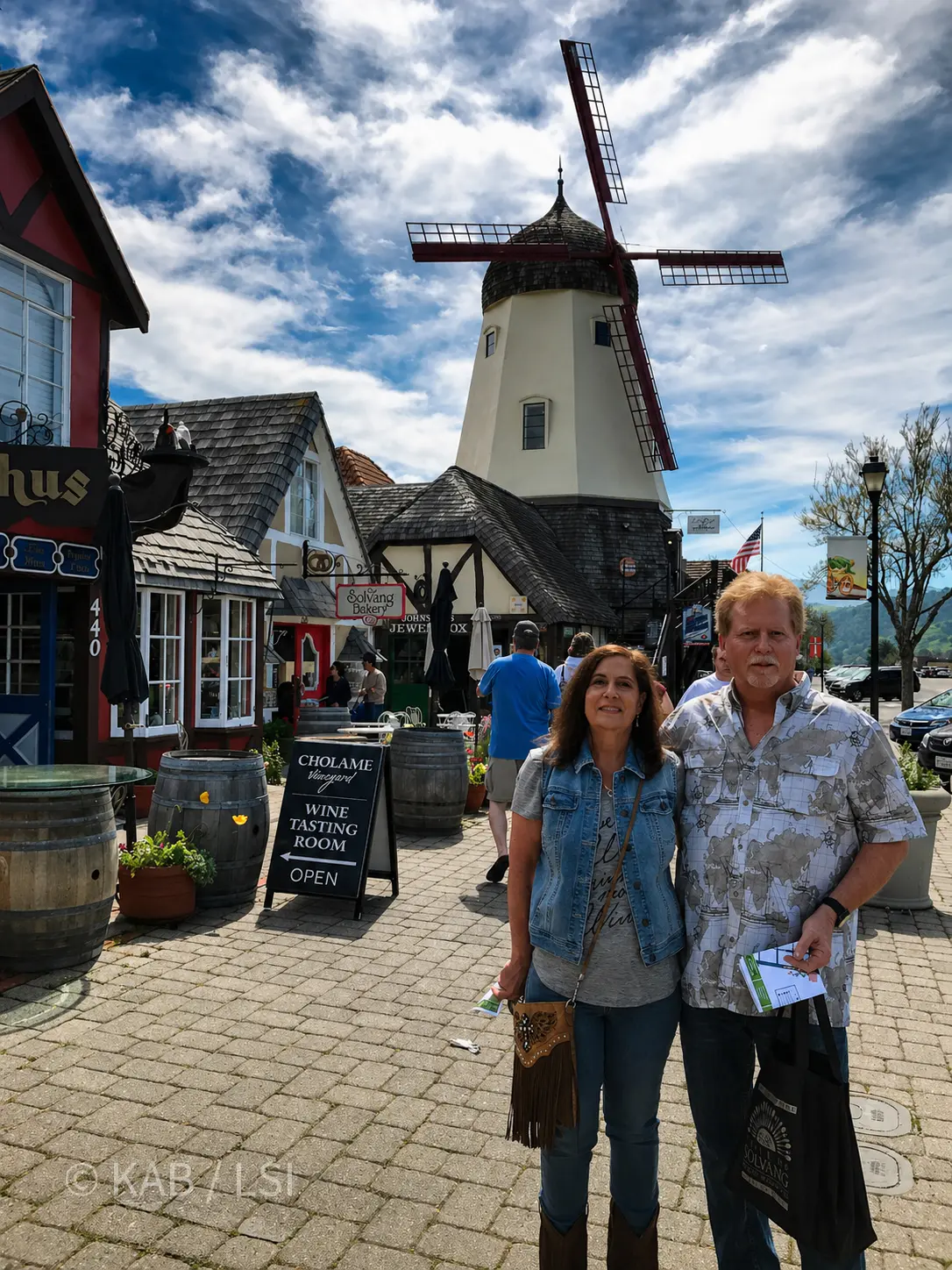
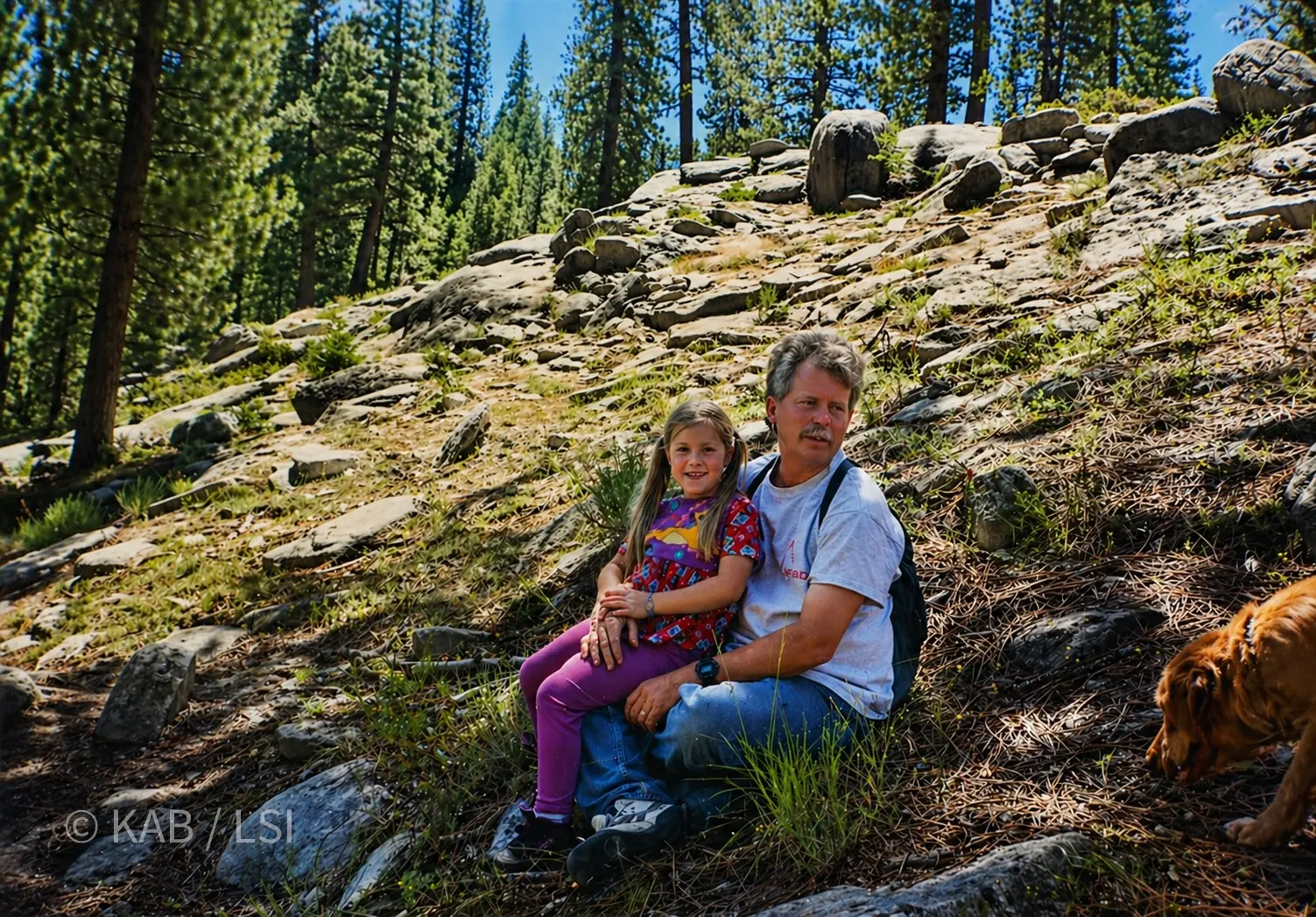
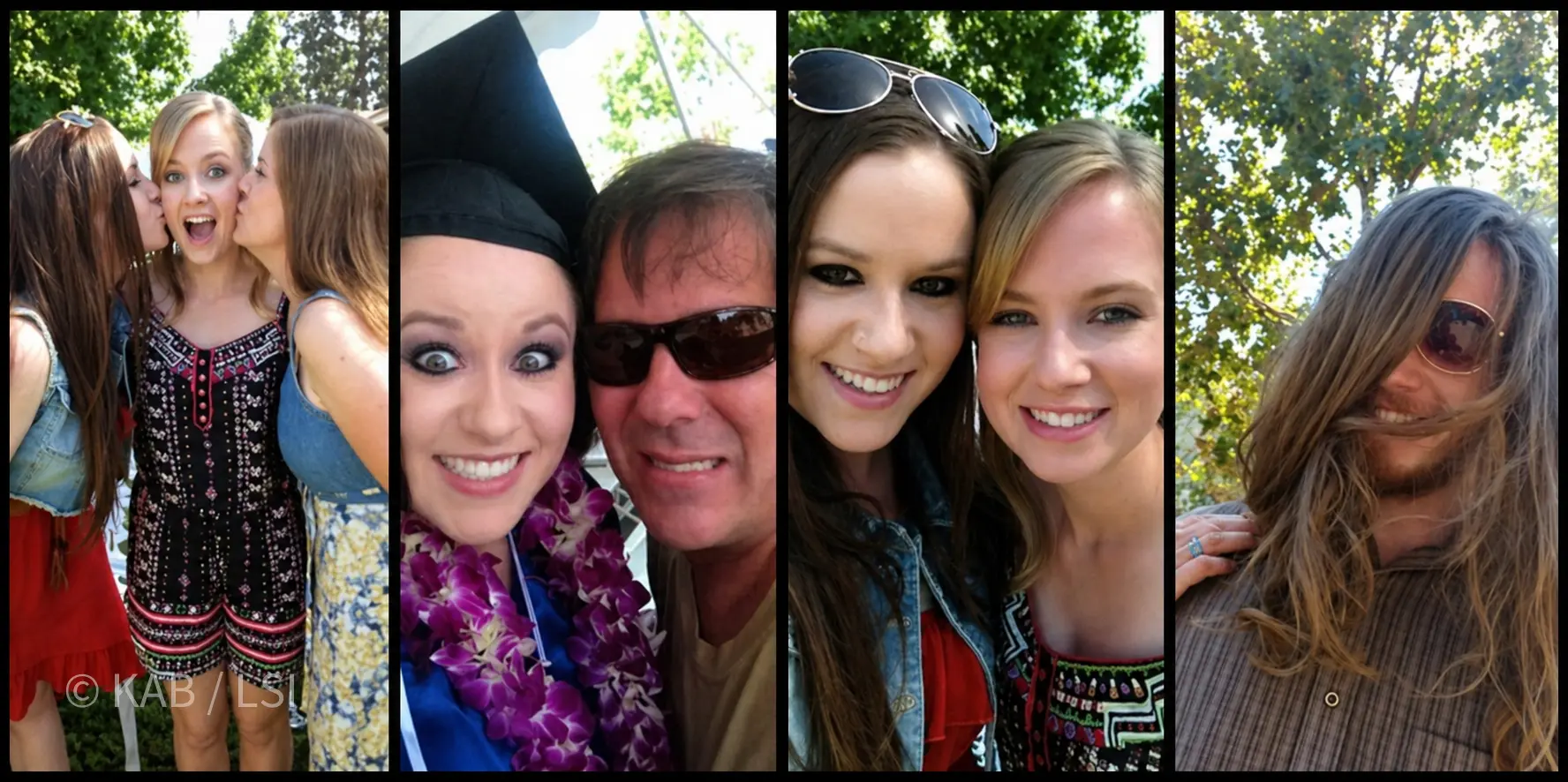
A wife, three children, three dogs, and forty years of property work between us.
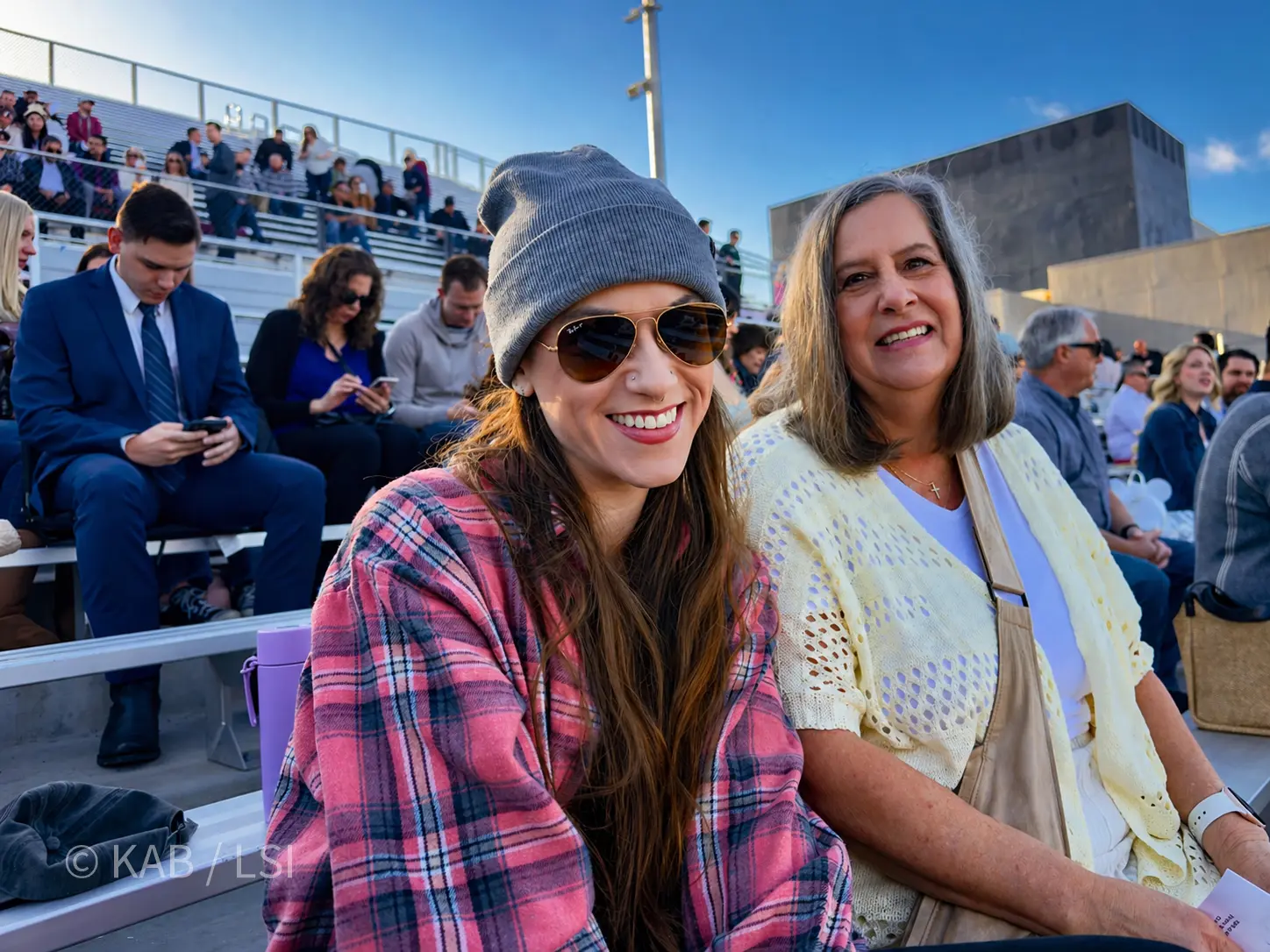
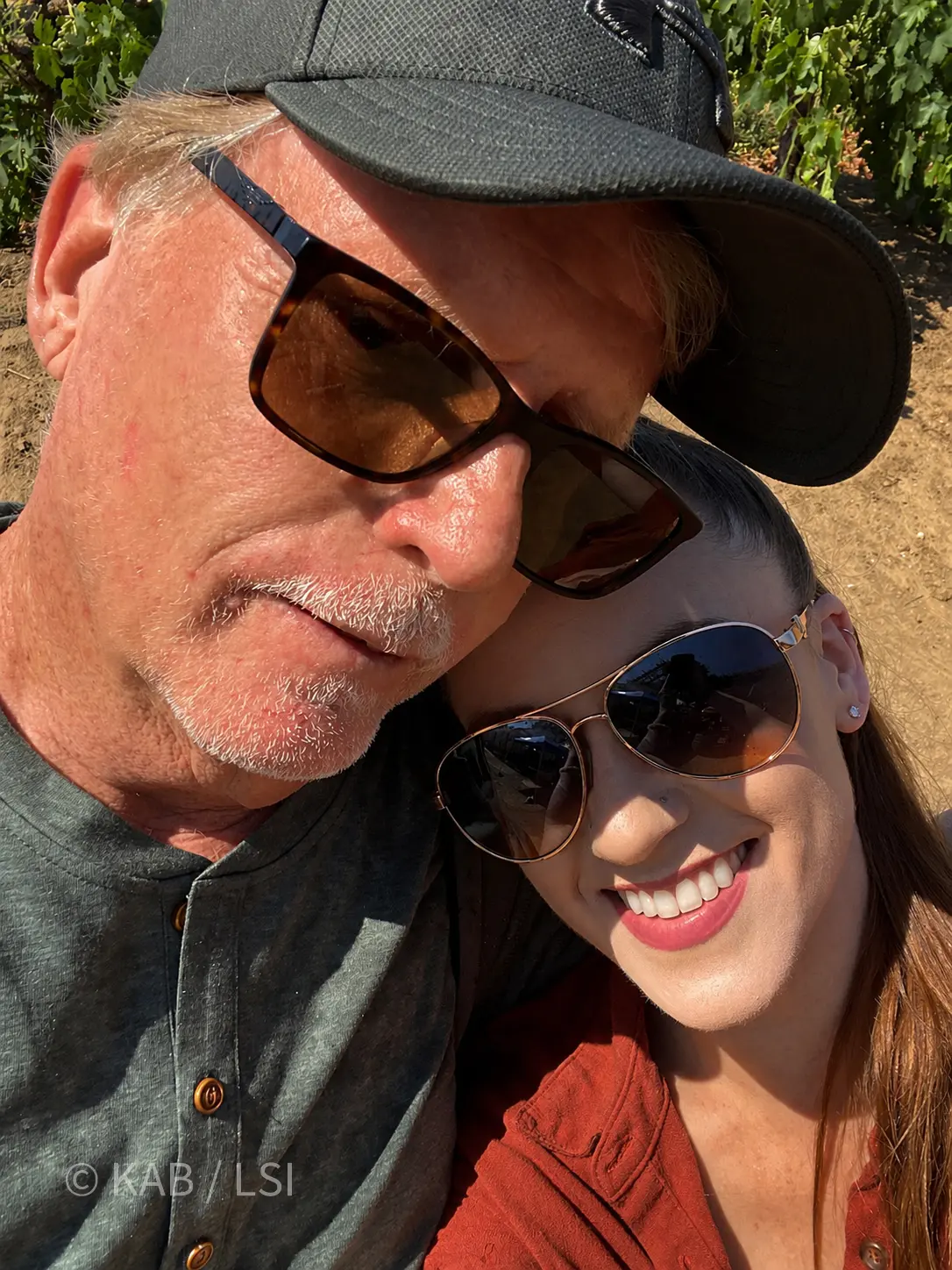
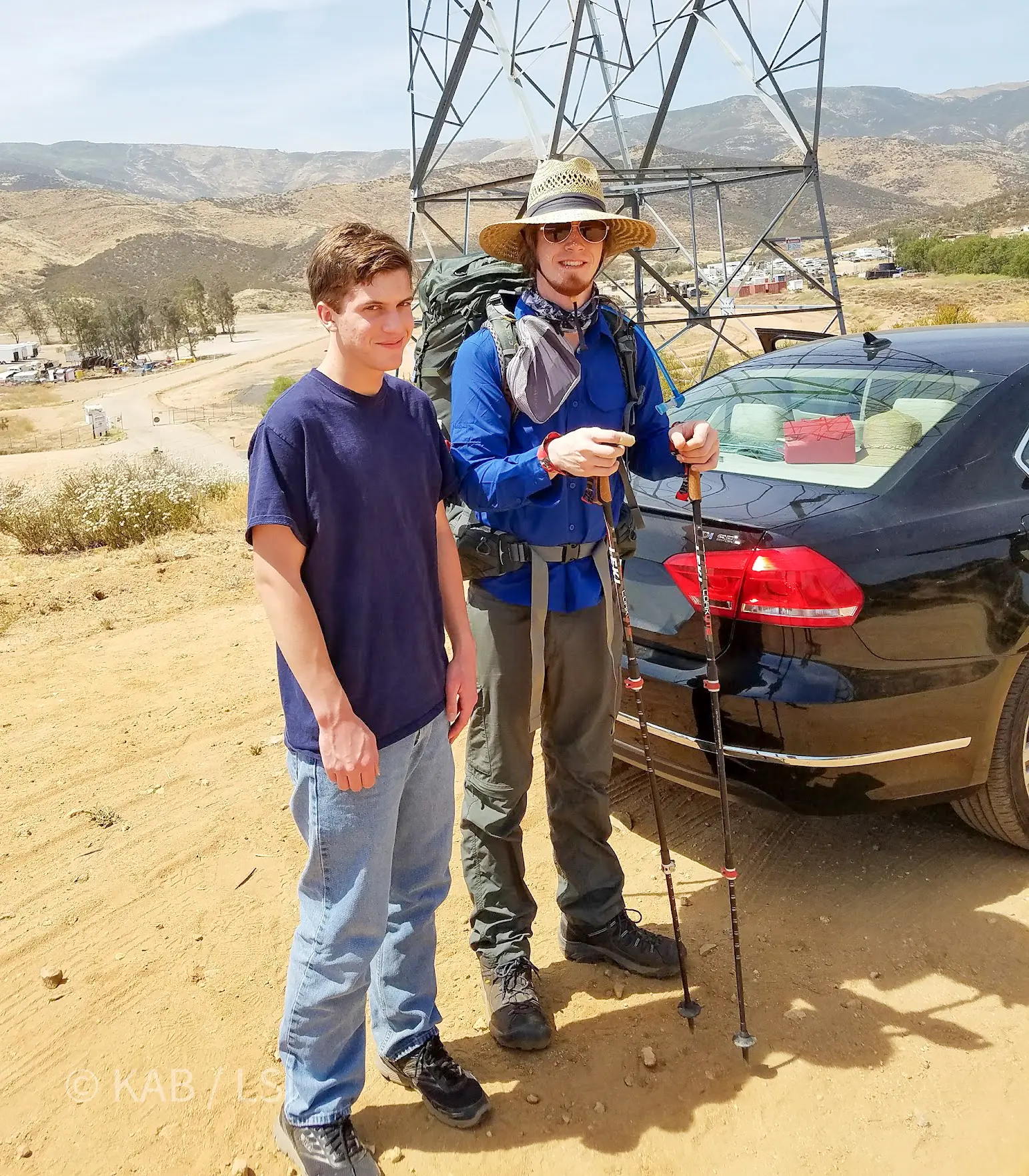
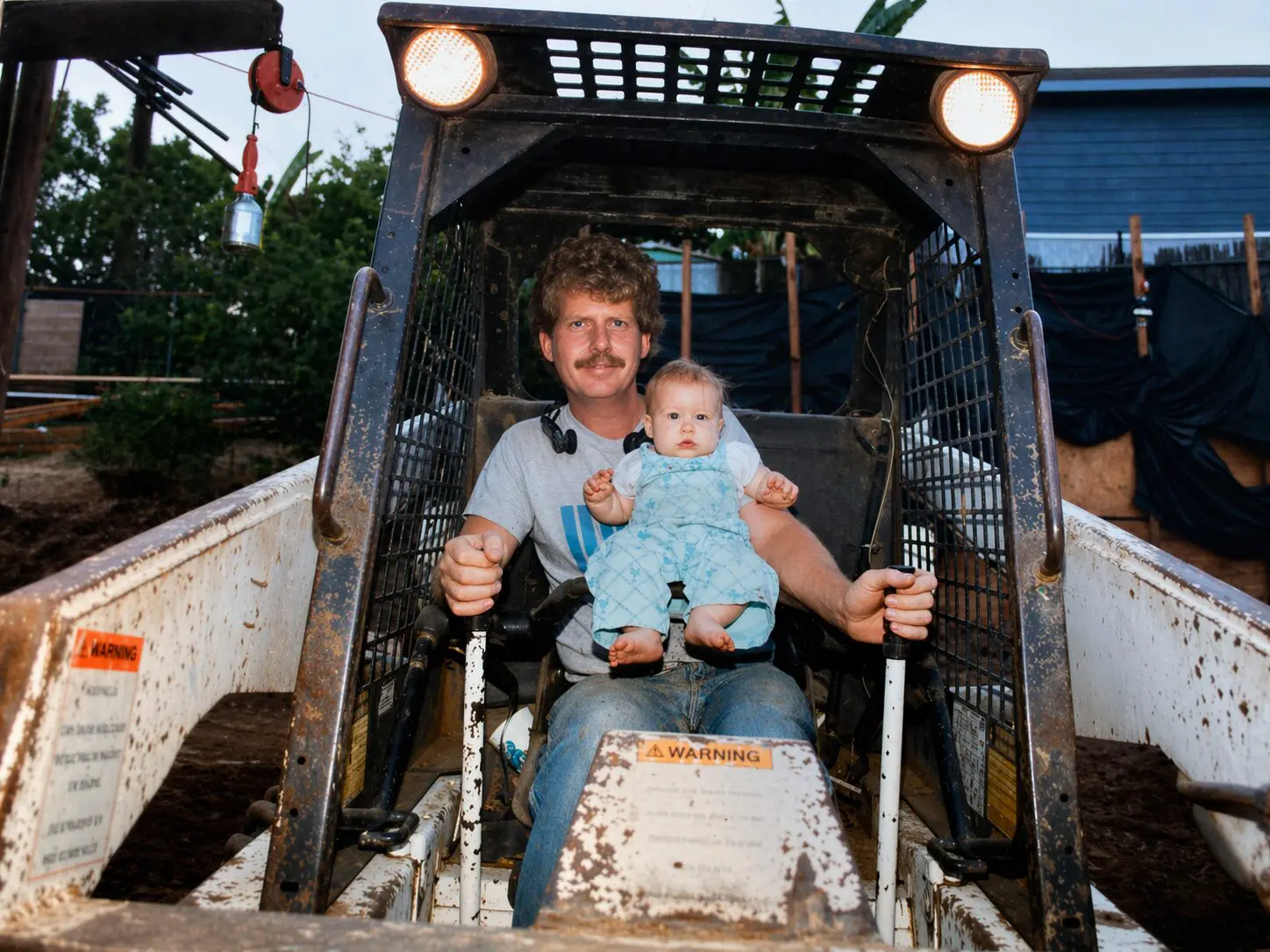
Sherri and I met in 1986 at a Better Homes and Gardens residential brokerage in Orange County, on the property-management side. Married since the late 1980s. Megan, born 1988, is a licensed therapist working with adolescents on telehealth. Joshua, born 1991, walked the Pacific Crest Trail end-to-end at twenty-four — Mexico to Washington, June 2016 to September. He met his wife on the trail. They googled the least-populated state, walked there too, and live in Laramie, Wyoming. Alex, born 1997, attended Cal State Fullerton like his sister Megan, runs a YouTube business. The family compound is a quiet dream up here — many neighbors hold some version of it — that the one-acre parcel will hold more than a house: room for adult children to come and go, for grandchildren when they arrive, for the seasons of a life that don’t fit the standard floor plan.
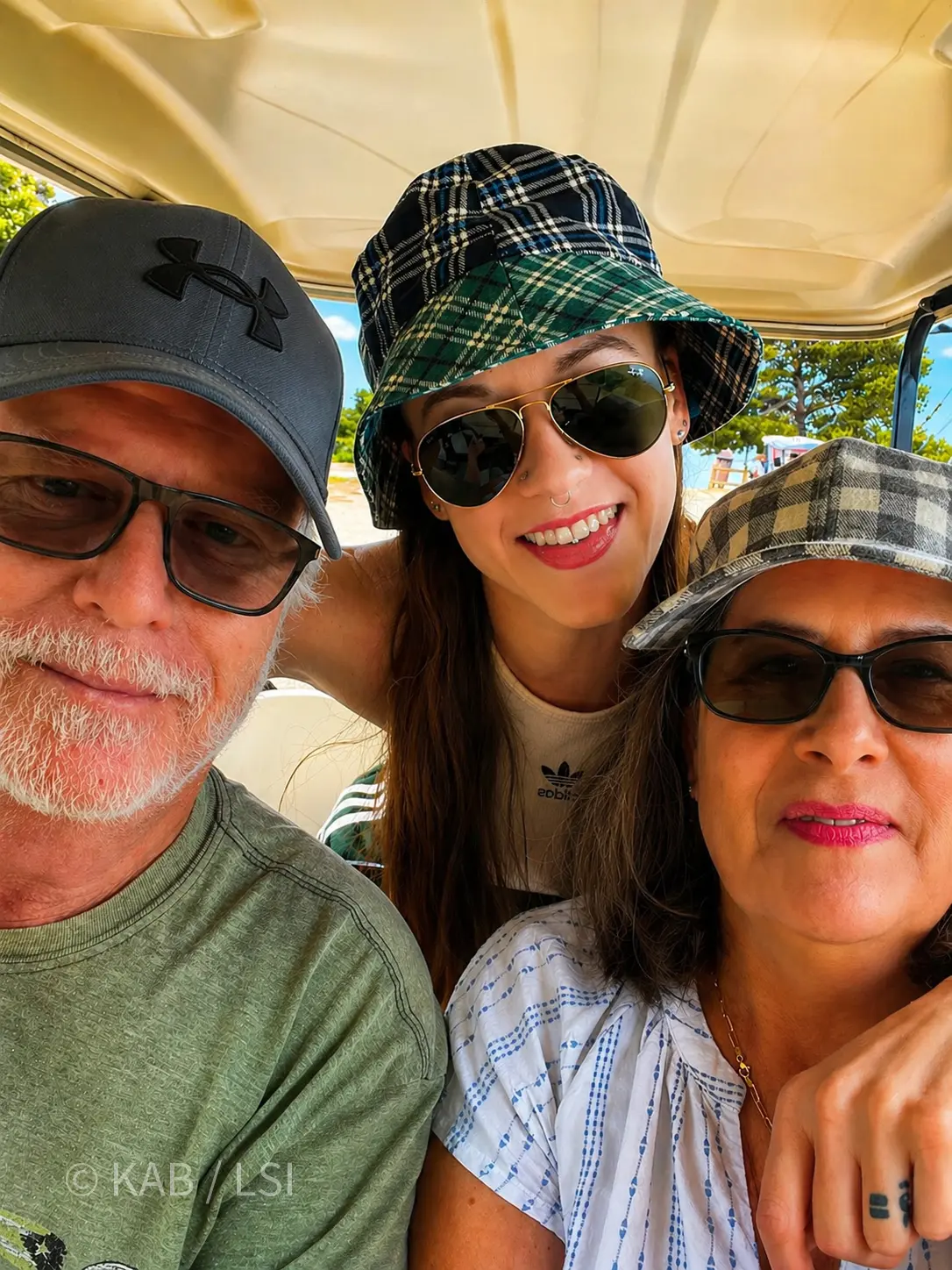
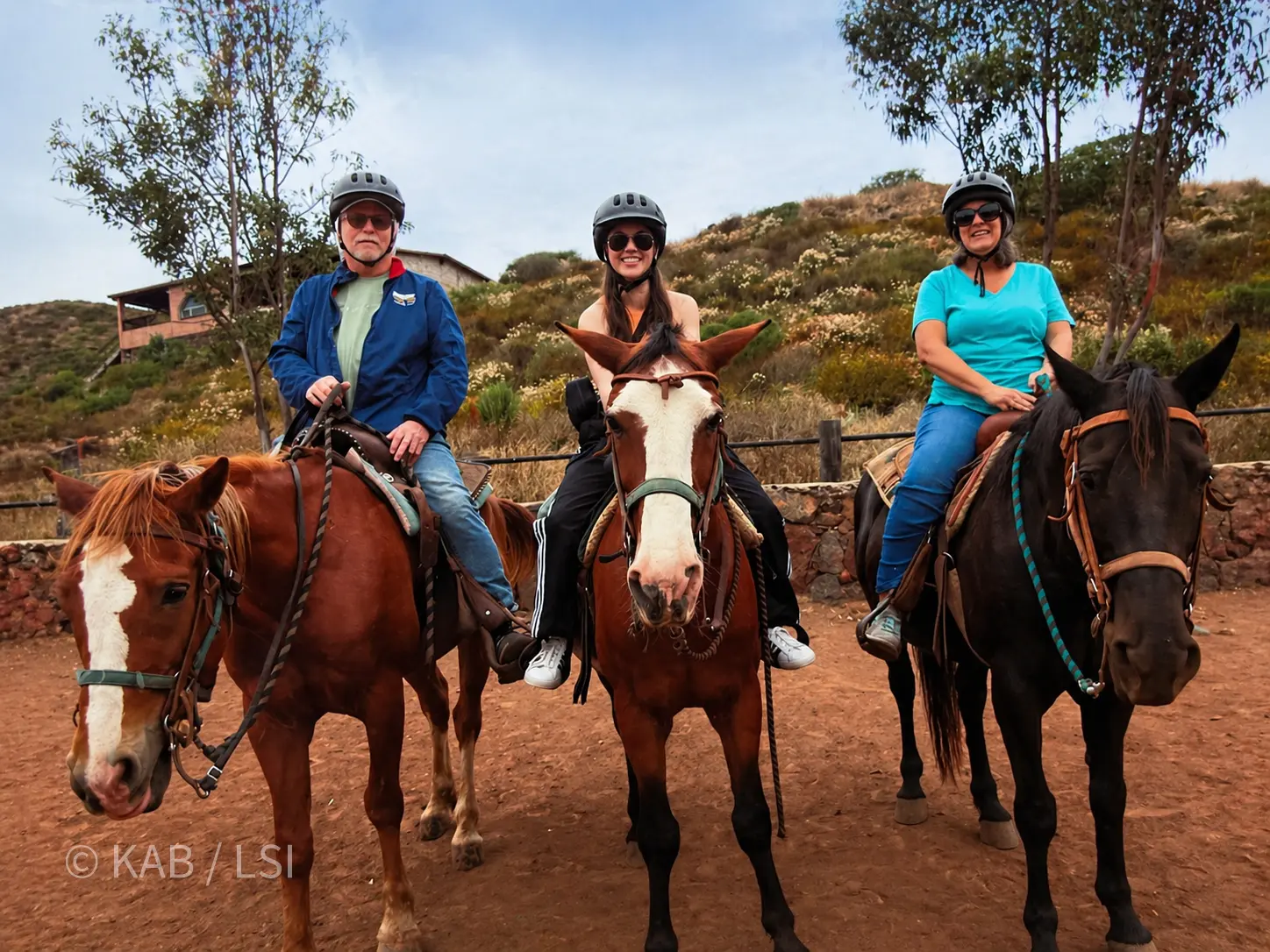
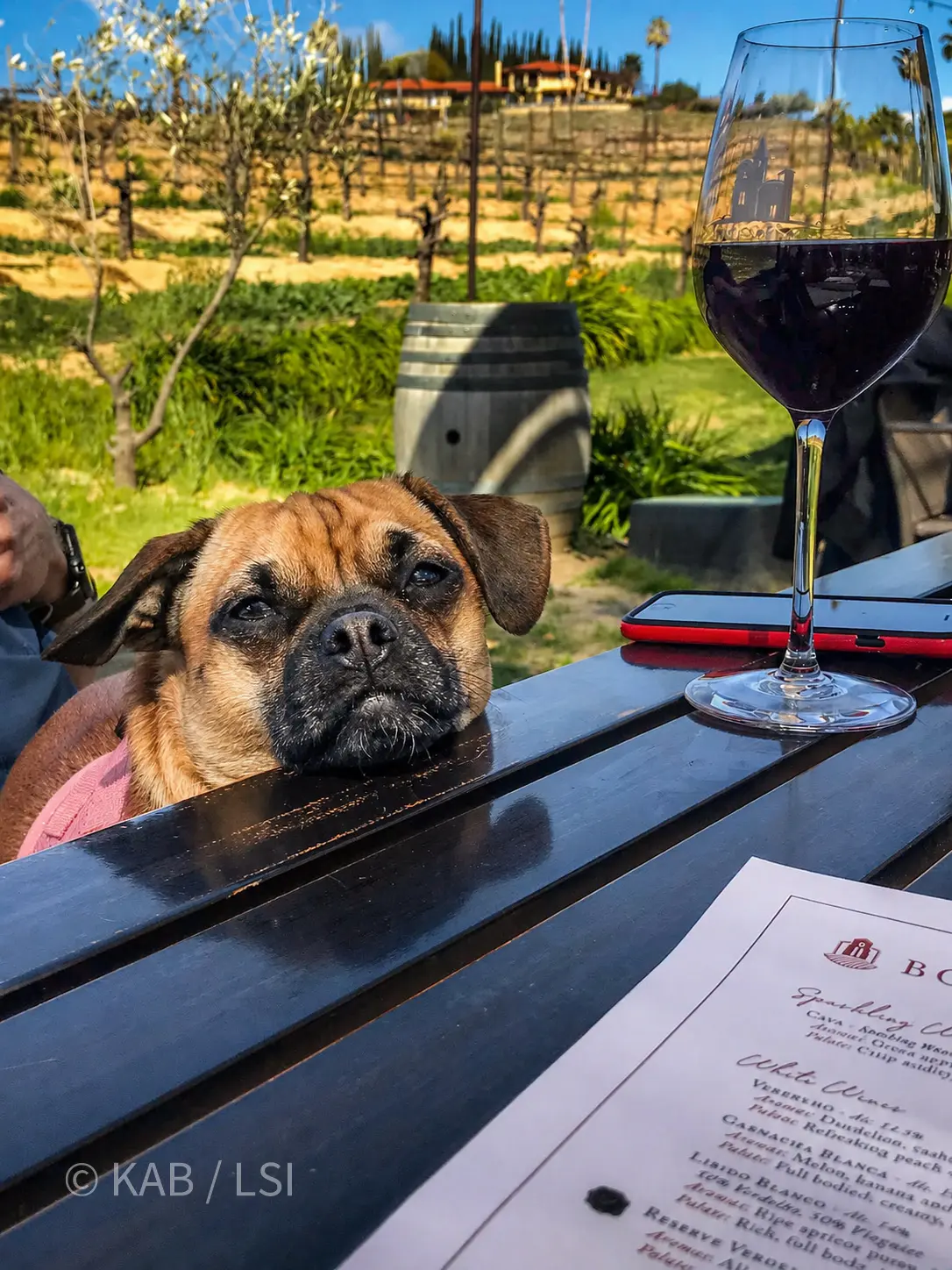
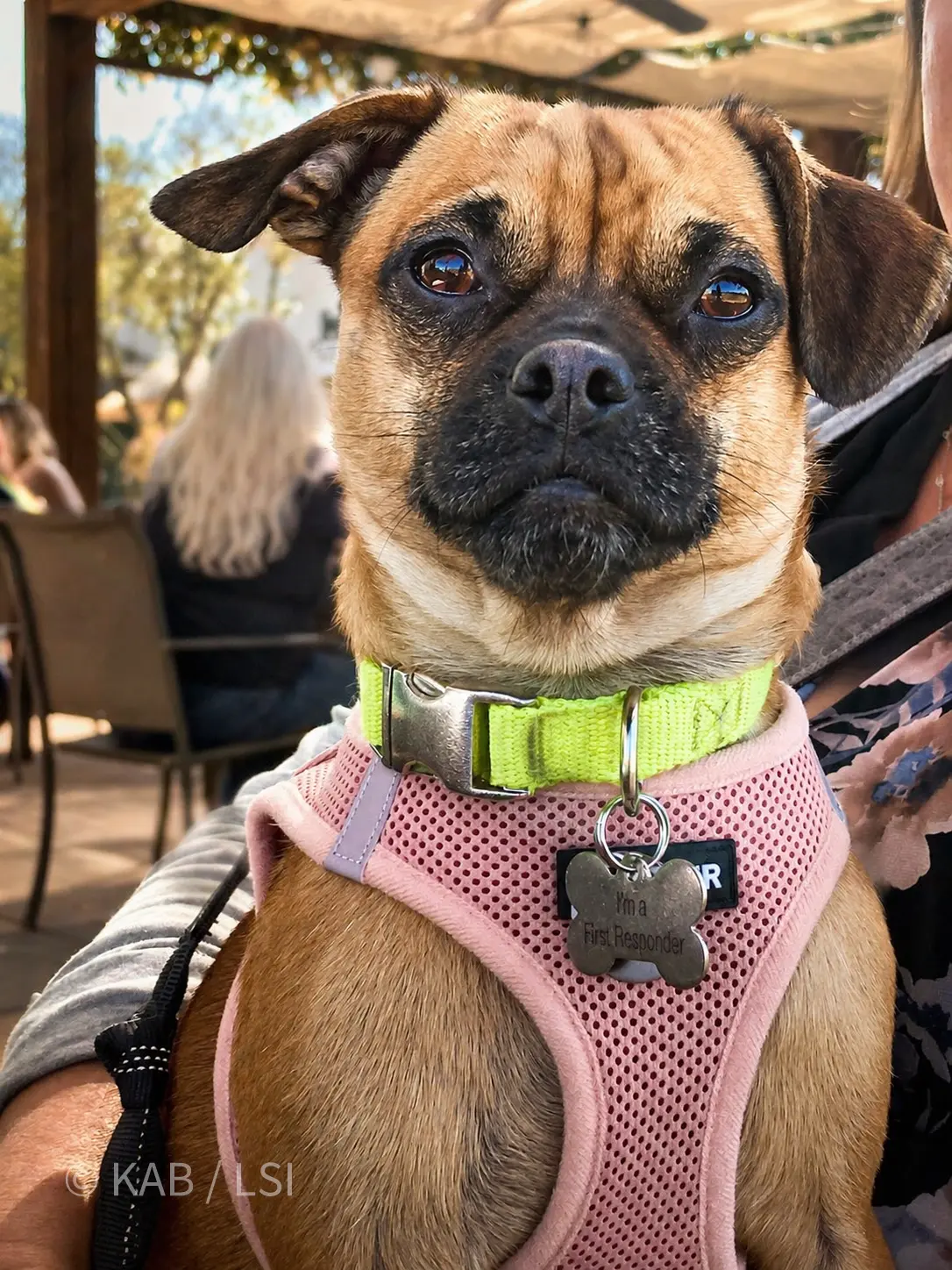
Three dogs in the household: Sophie, Mimi the chug, and Luna, our 50/50 pit-bull and pug. Riley, my first pug, is the OG — still on the SDA team page in spirit.
The family is part of the practice because the practice happens on the hill where the family lives. The neighbors I take on as clients become, in time, neighbors I run into at the post office and the Avocado Festival.
More from the family album
Forty years on a hillside, in seven frames.
+
More from the family album
Forty years on a hillside, in seven frames.
Forty-five years of the same instinct
The trade is the same. The tools changed.
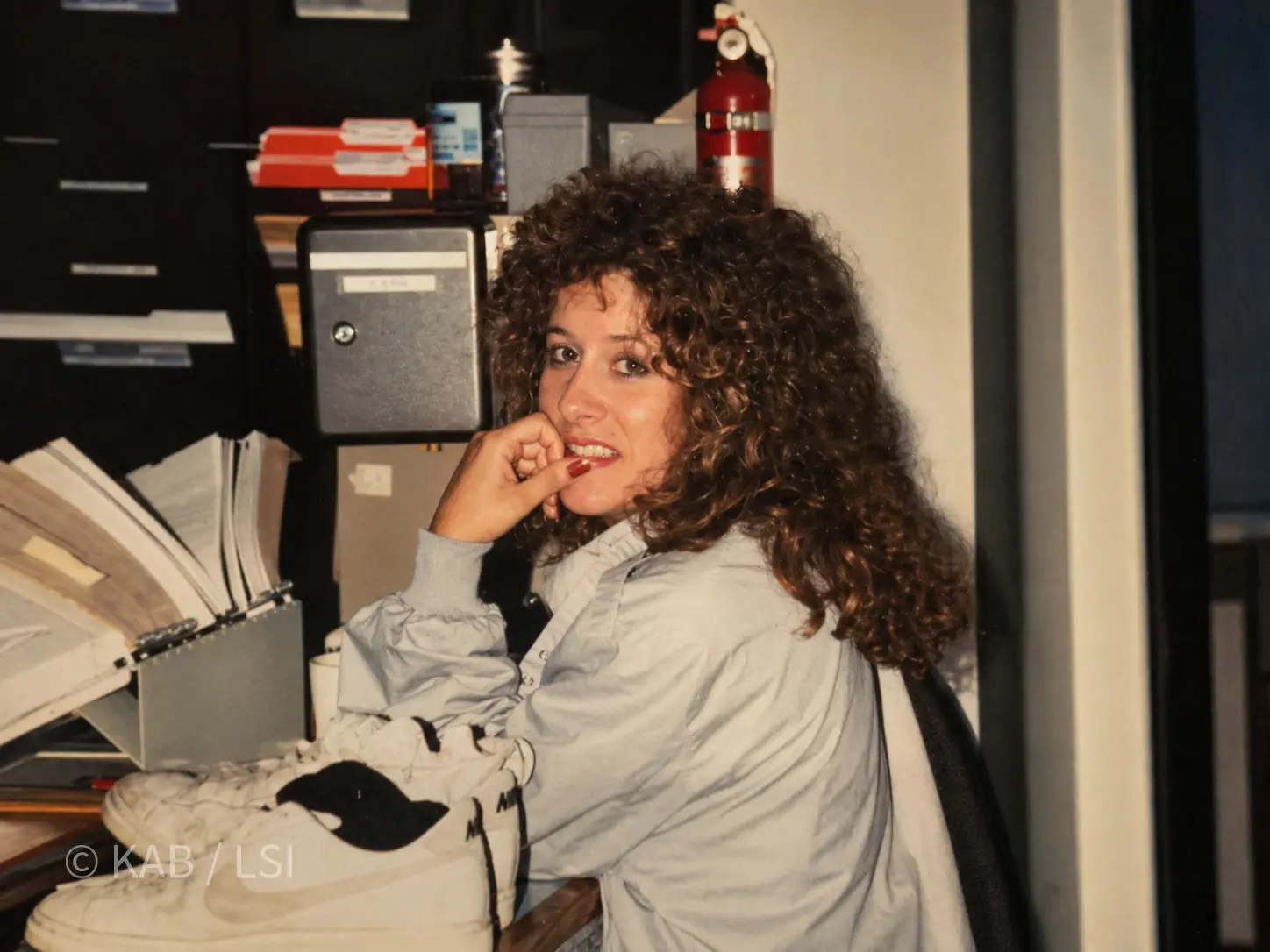
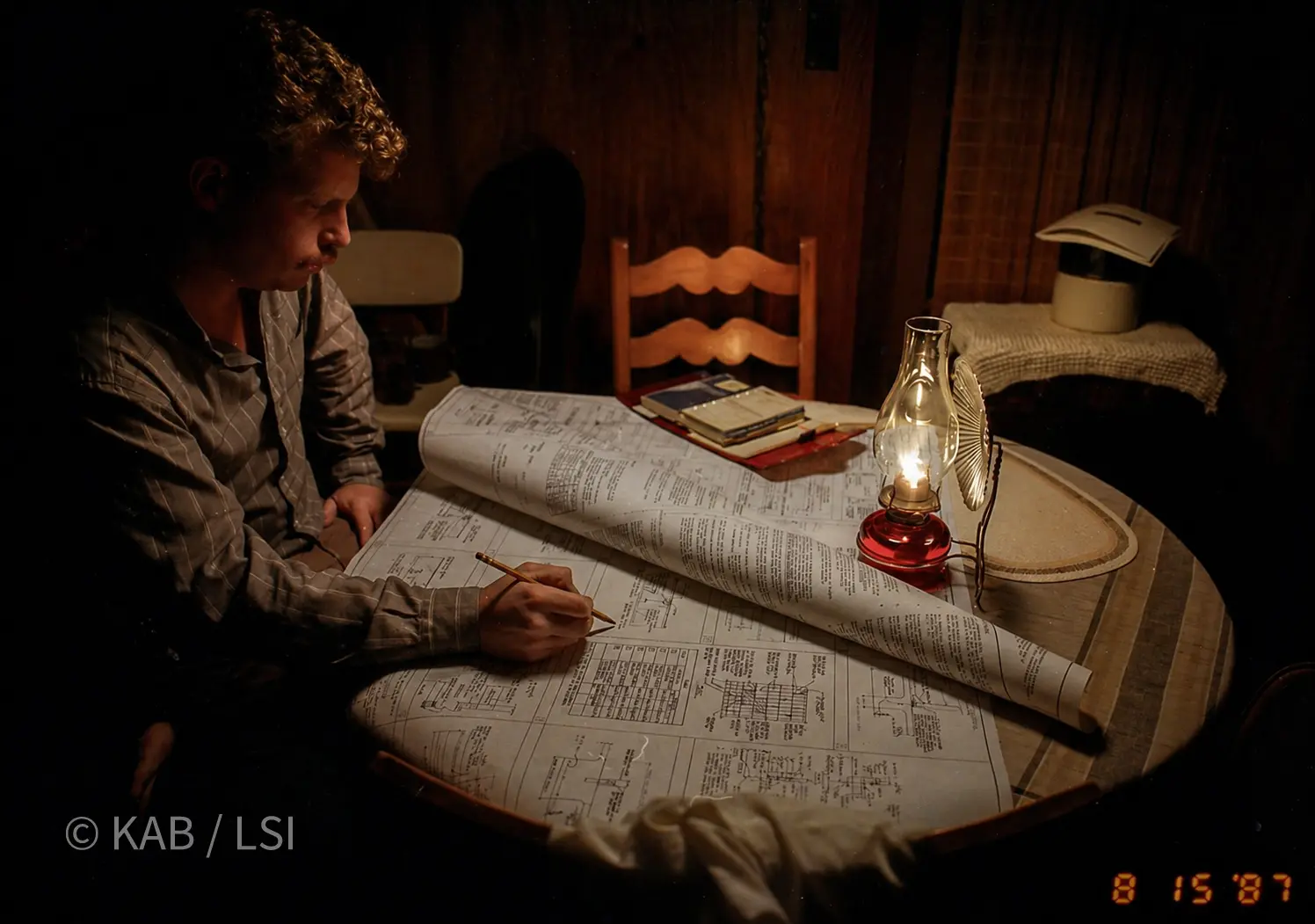
I came up through construction sites, computer networks, and real estate in the 1970s and ’80s. Founded a computer store in Huntington Beach in 1979. Met Sherri at a property-management firm in 1986. Got my real-estate license. Built out the maintenance shop behind that office for a hundred Orange County properties.
The maintenance shop is the ancestor of everything I do now. The trade is the same. The tools changed.

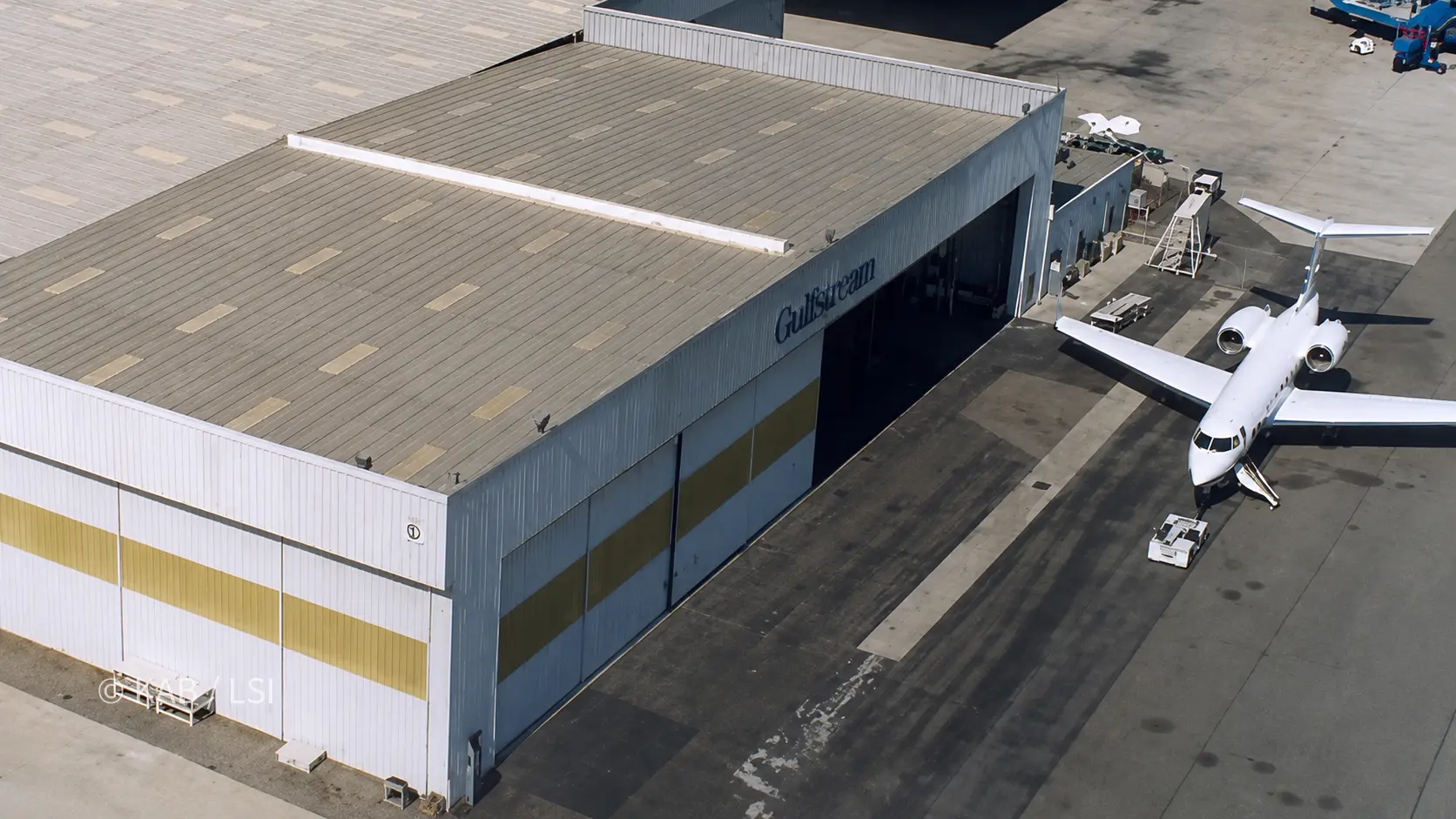
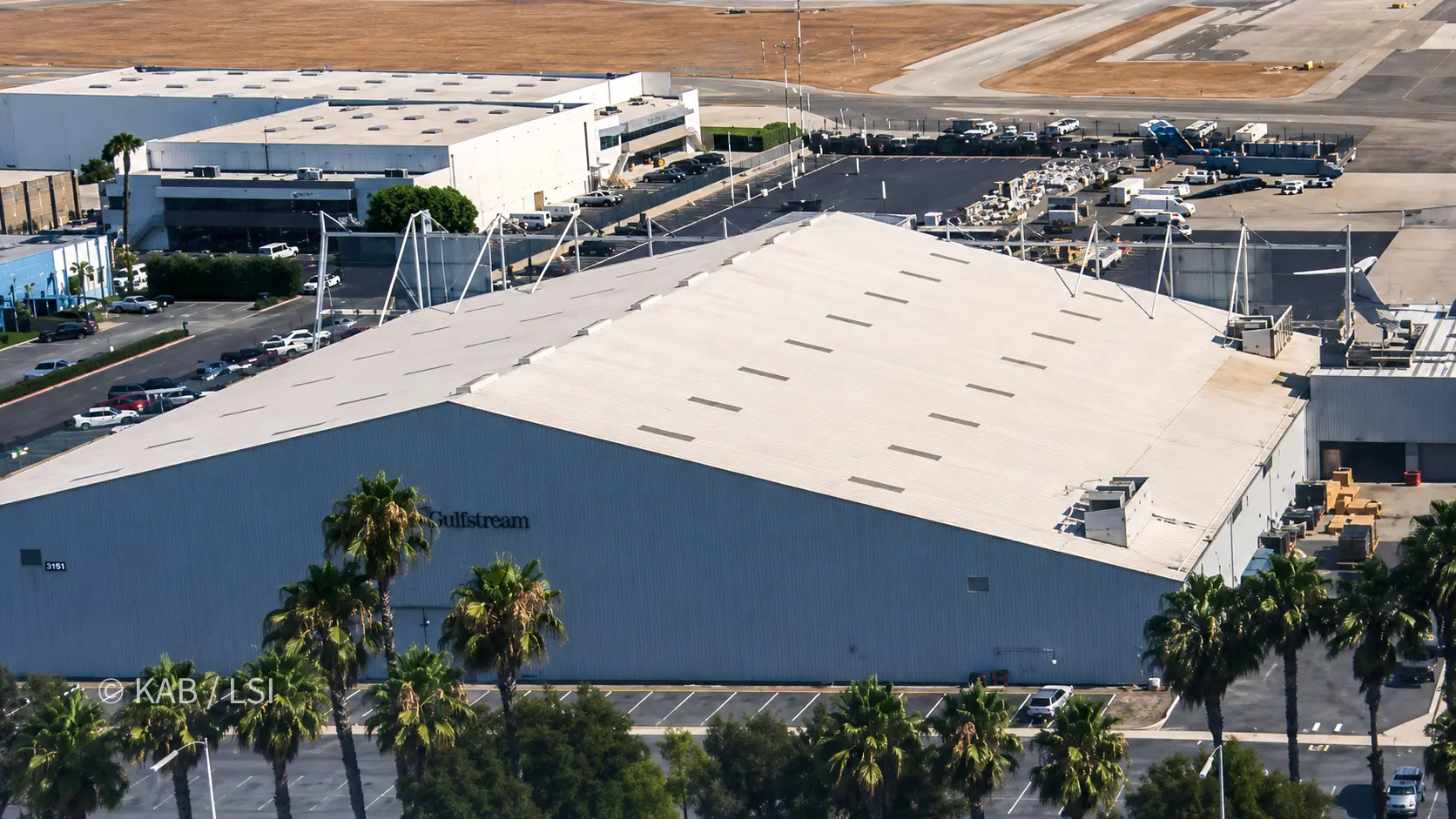

The first hillside
A small property in 1988. The first time I cut into a hill.
One small story from that period — the one that taught me what stewardship actually means before I had a word for it.
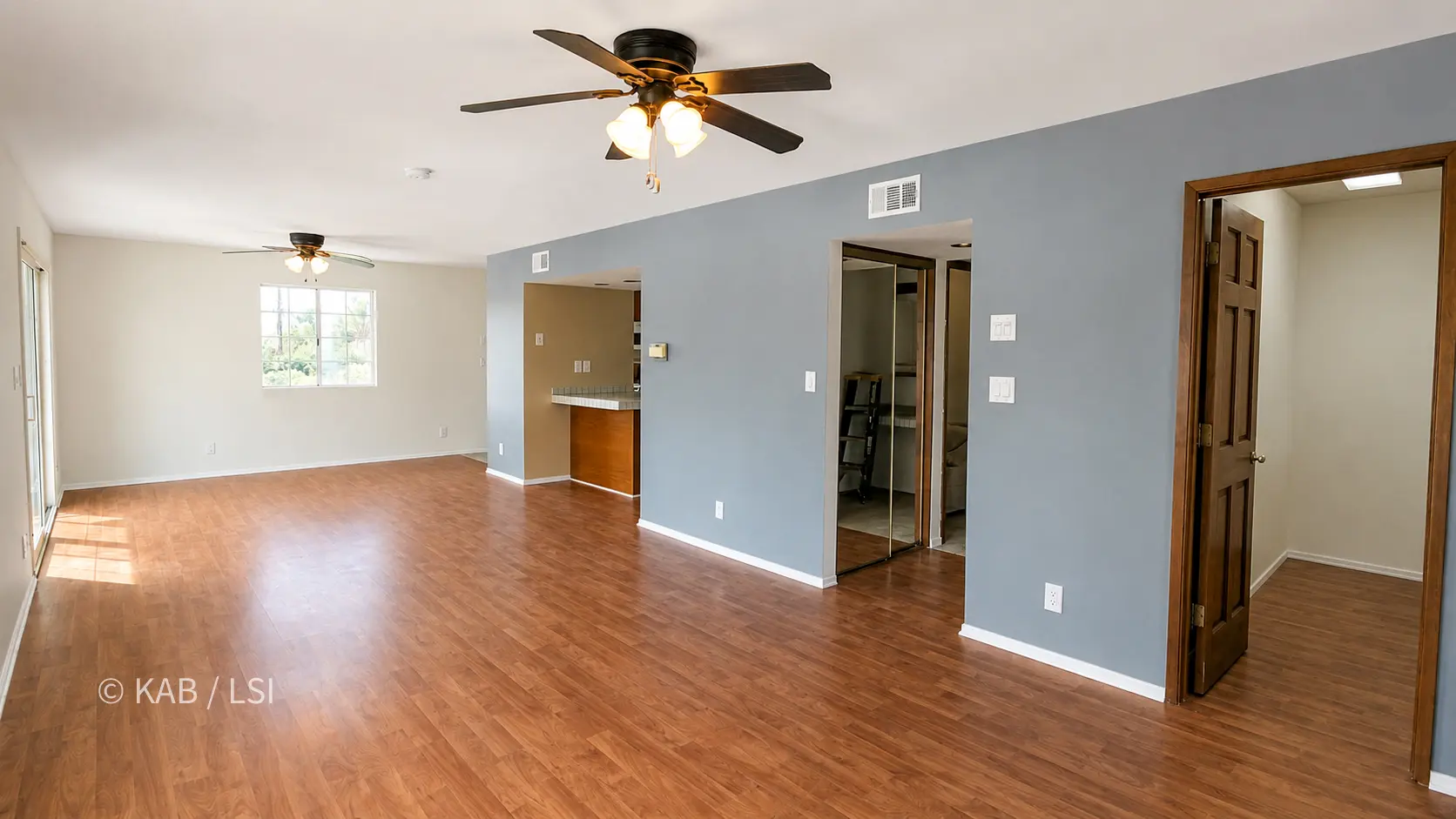
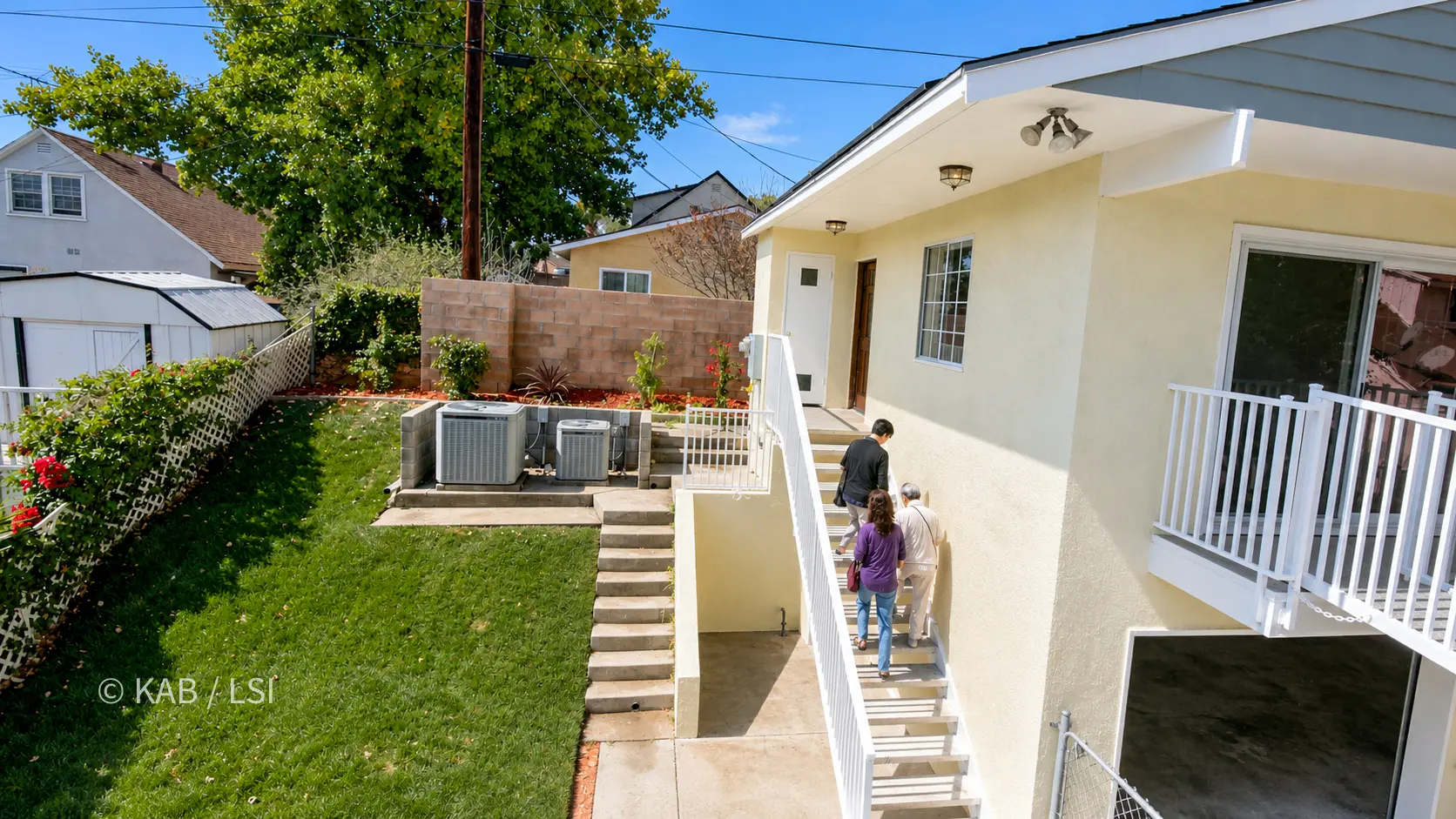
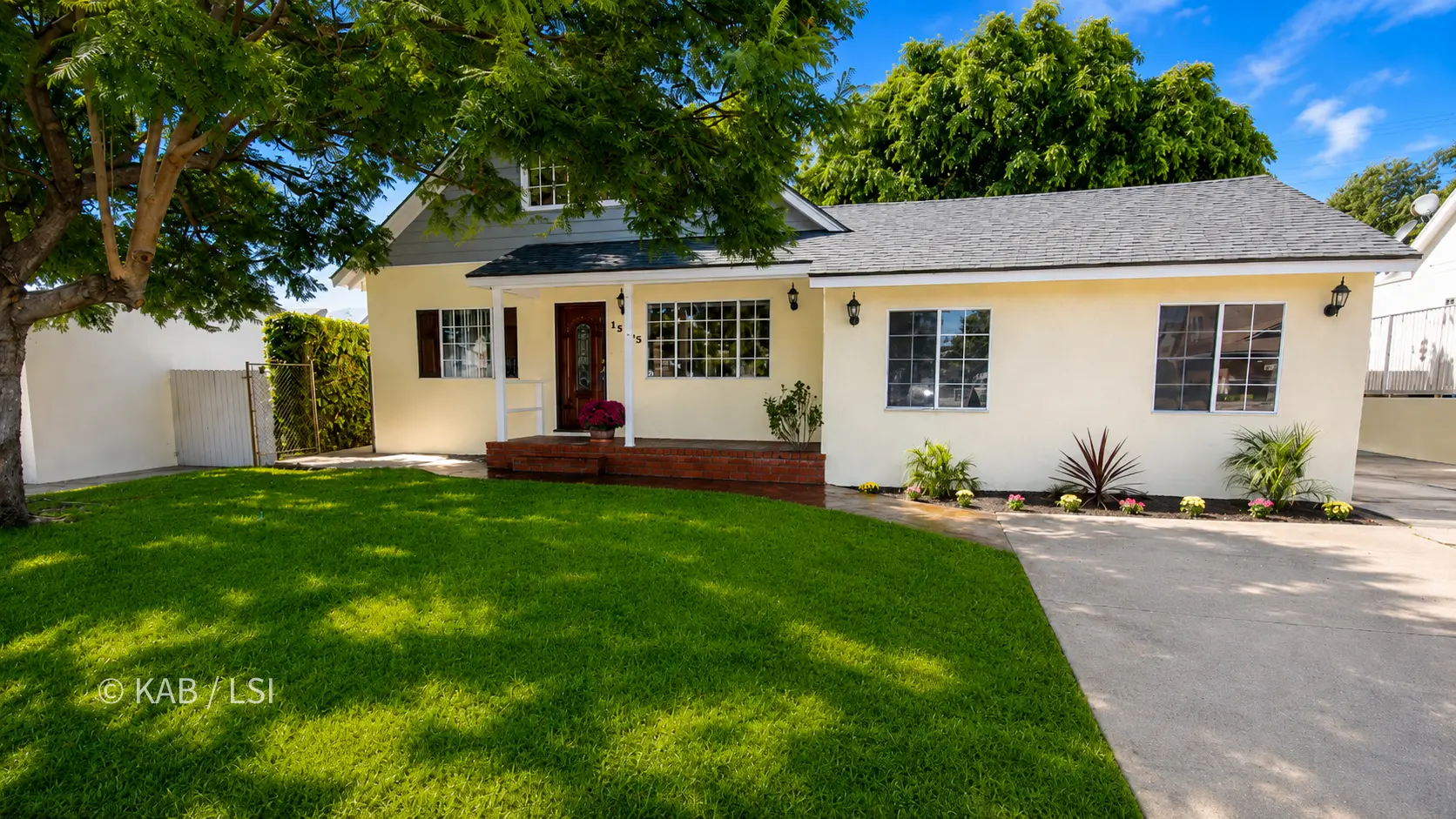
In 1988, a relative in Los Angeles County owned a four-bedroom, two-story house near a respected private university. We lived there for a season — my wife and I, with our first child, who was born around the time we moved in and was about to turn one when the work was finally done. The house was tired and the owner was working full-time to pay the mortgage. Over those twelve months, working alongside our daily life in the house, I put the property completely in order from top to bottom.
Everything got touched. New plumbing, new electrical, HVAC, two new roofs, roughly sixteen hundred more square feet under roof. The original four-bedroom house was reworked front to back. Then I cut into the rear hillside and built a three-car garage with a laundry, and above it an eight-hundred-square-foot ADU — full kitchen, full bath, private patio — for the owner to move into. A steel-and-aluminum bridge welded in our shop carried her on rainy days from her patio to the upstairs of the main house. No stairs required.
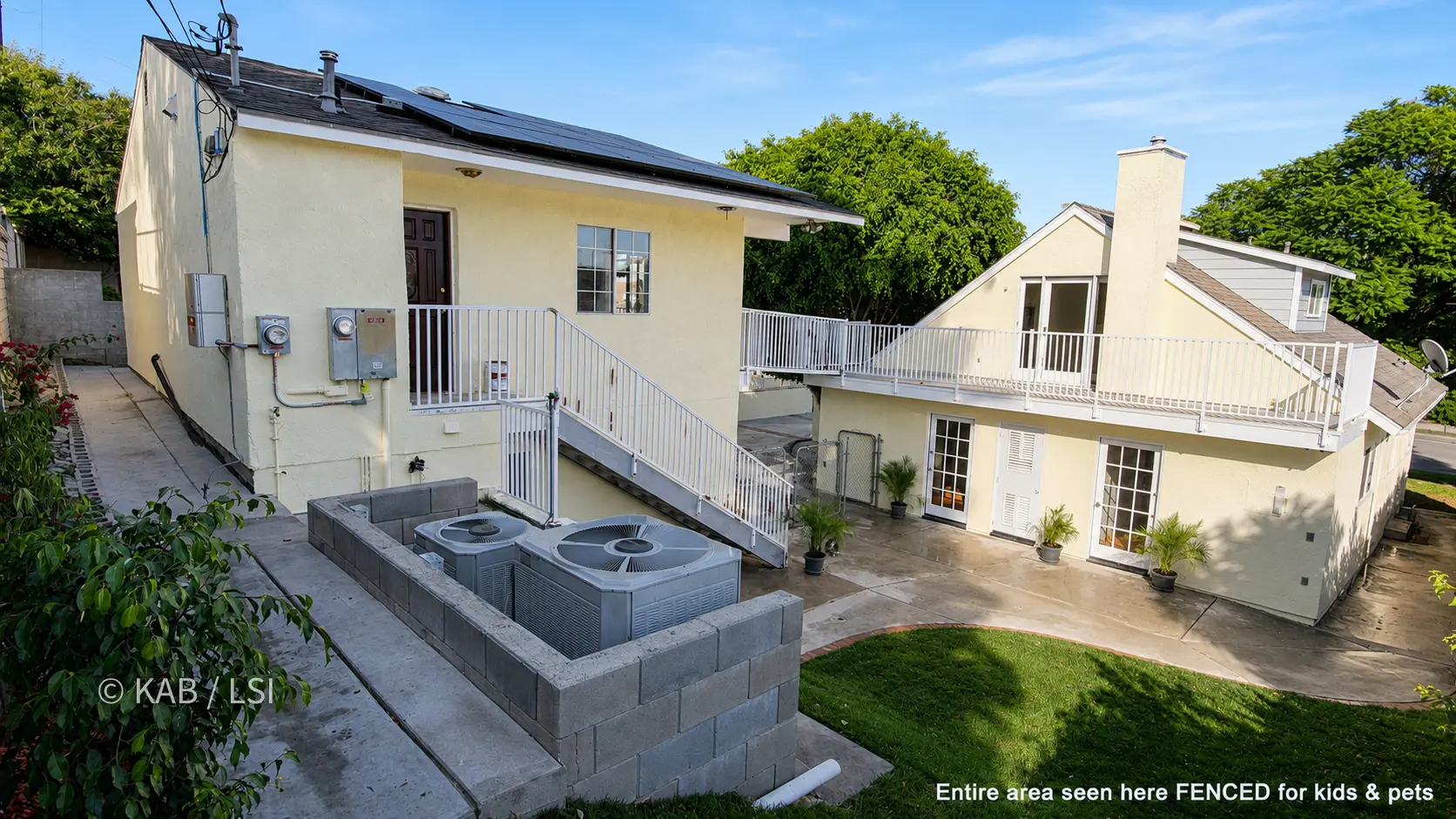
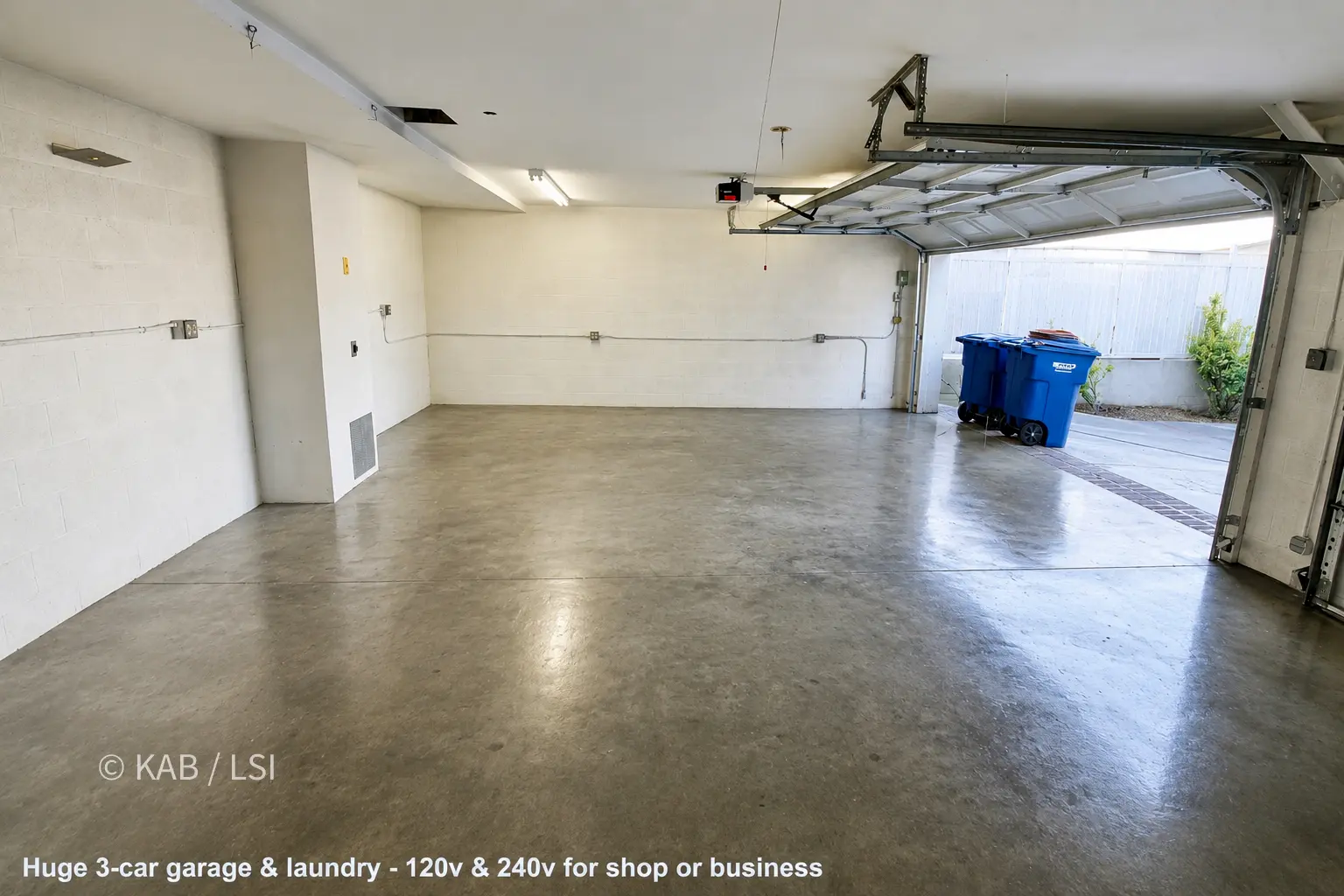
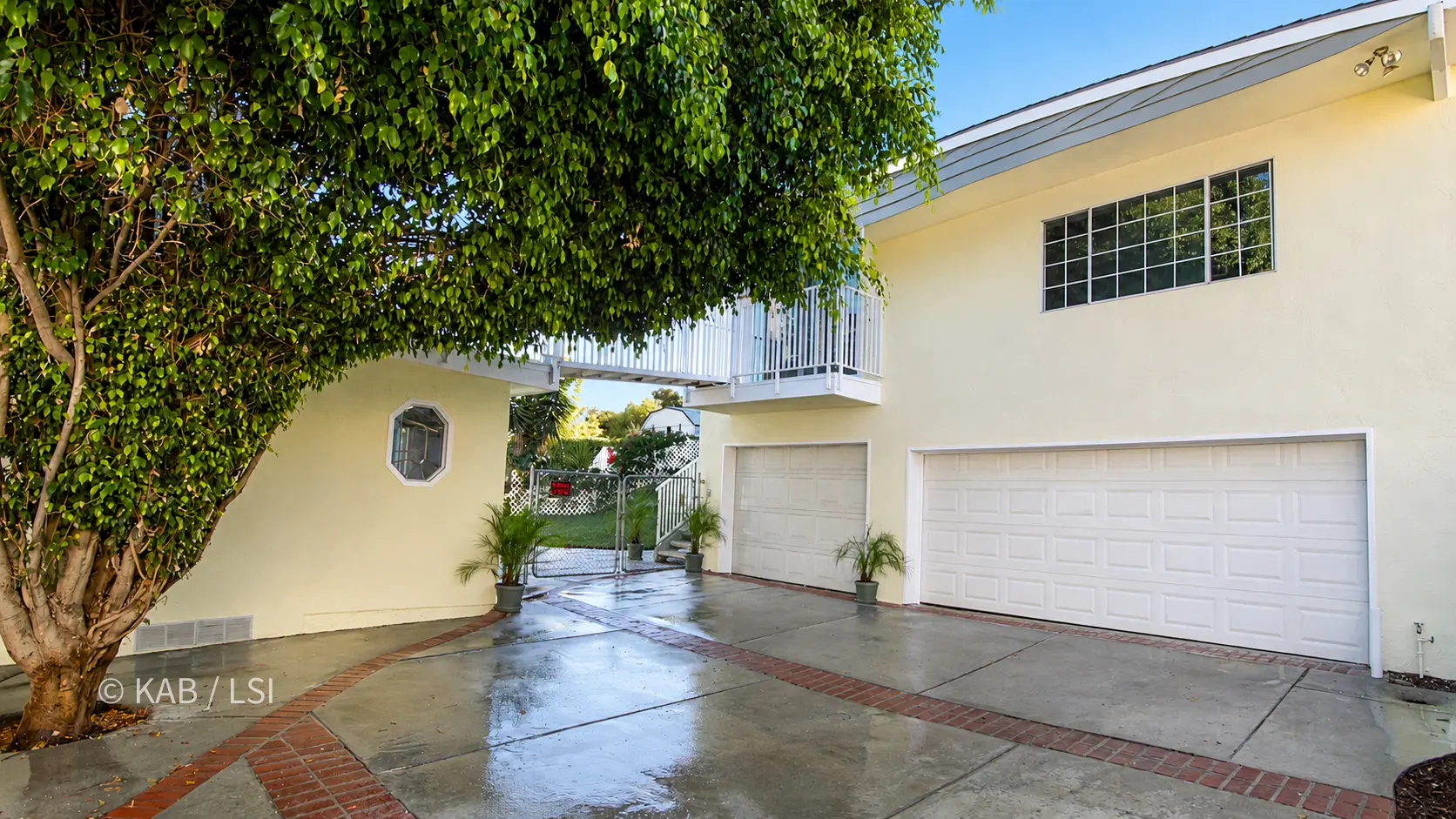
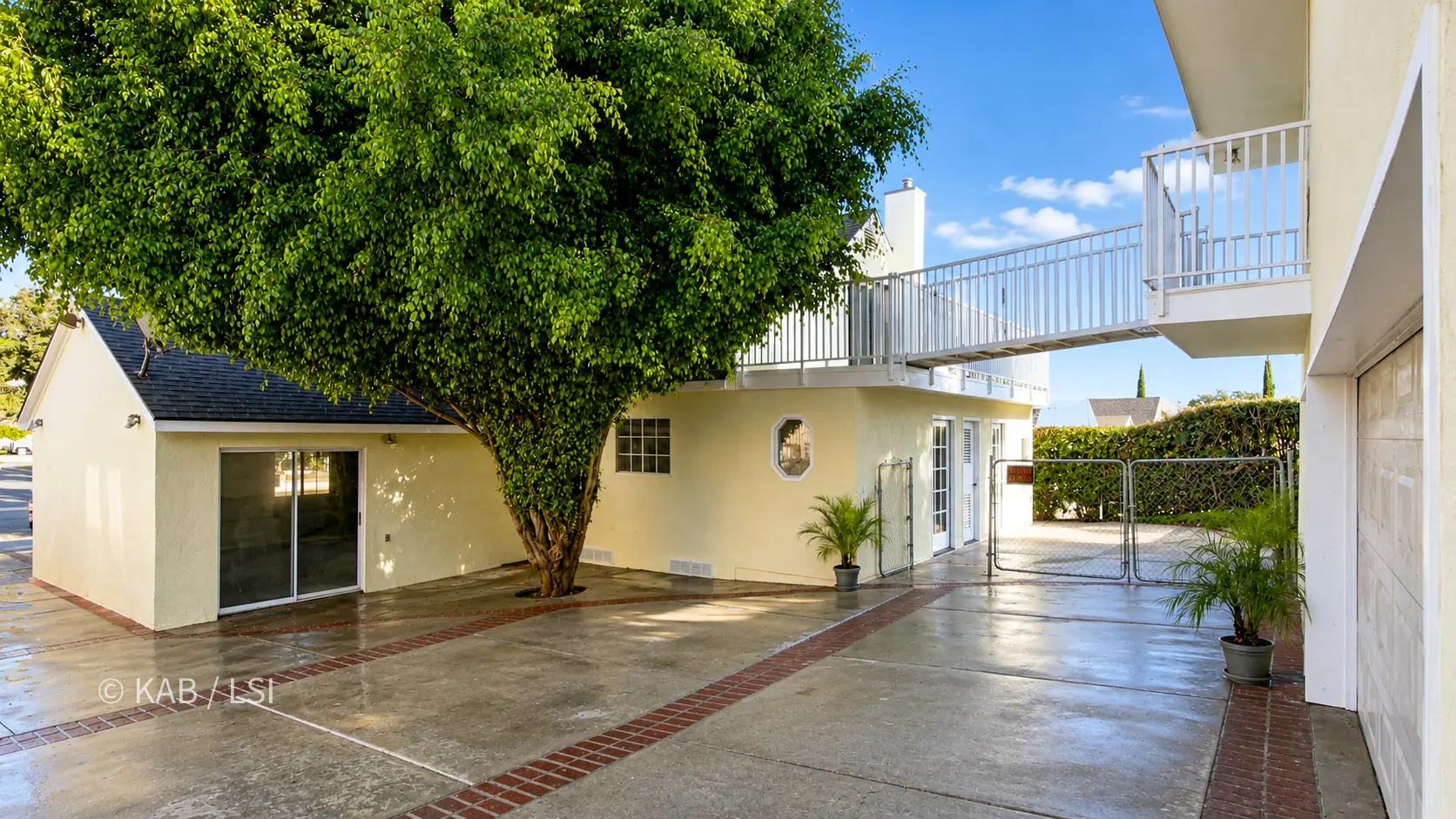
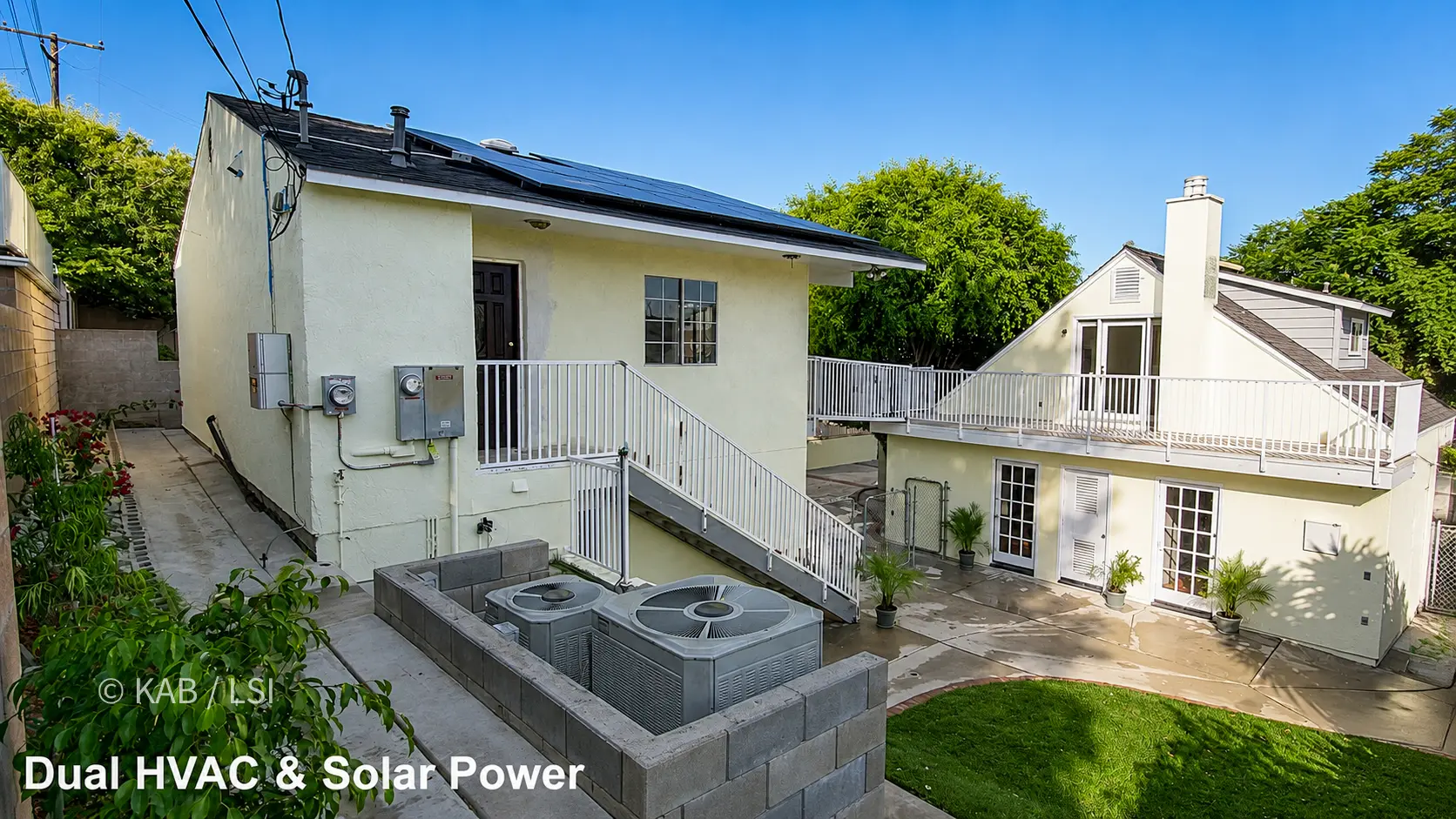
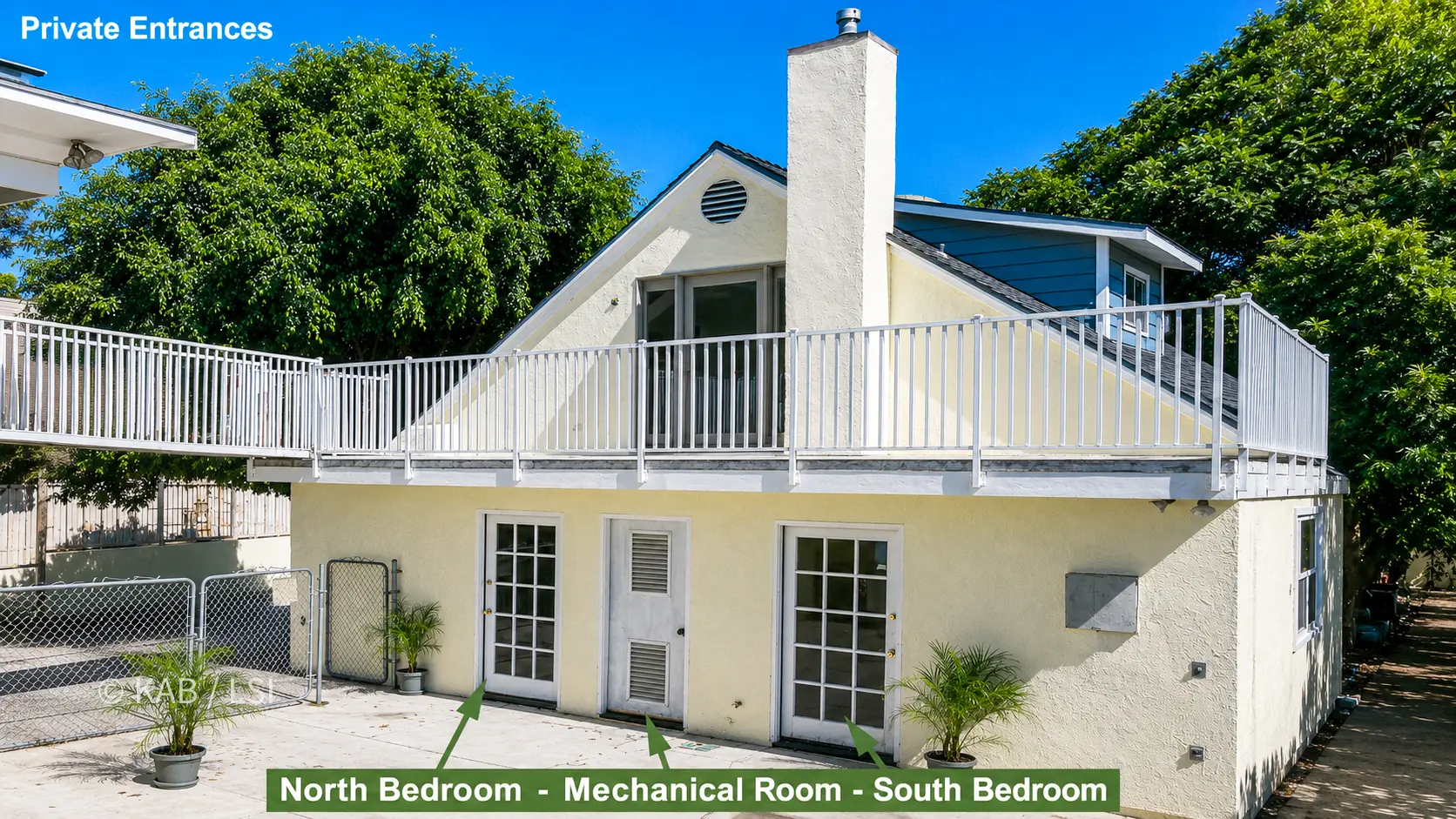
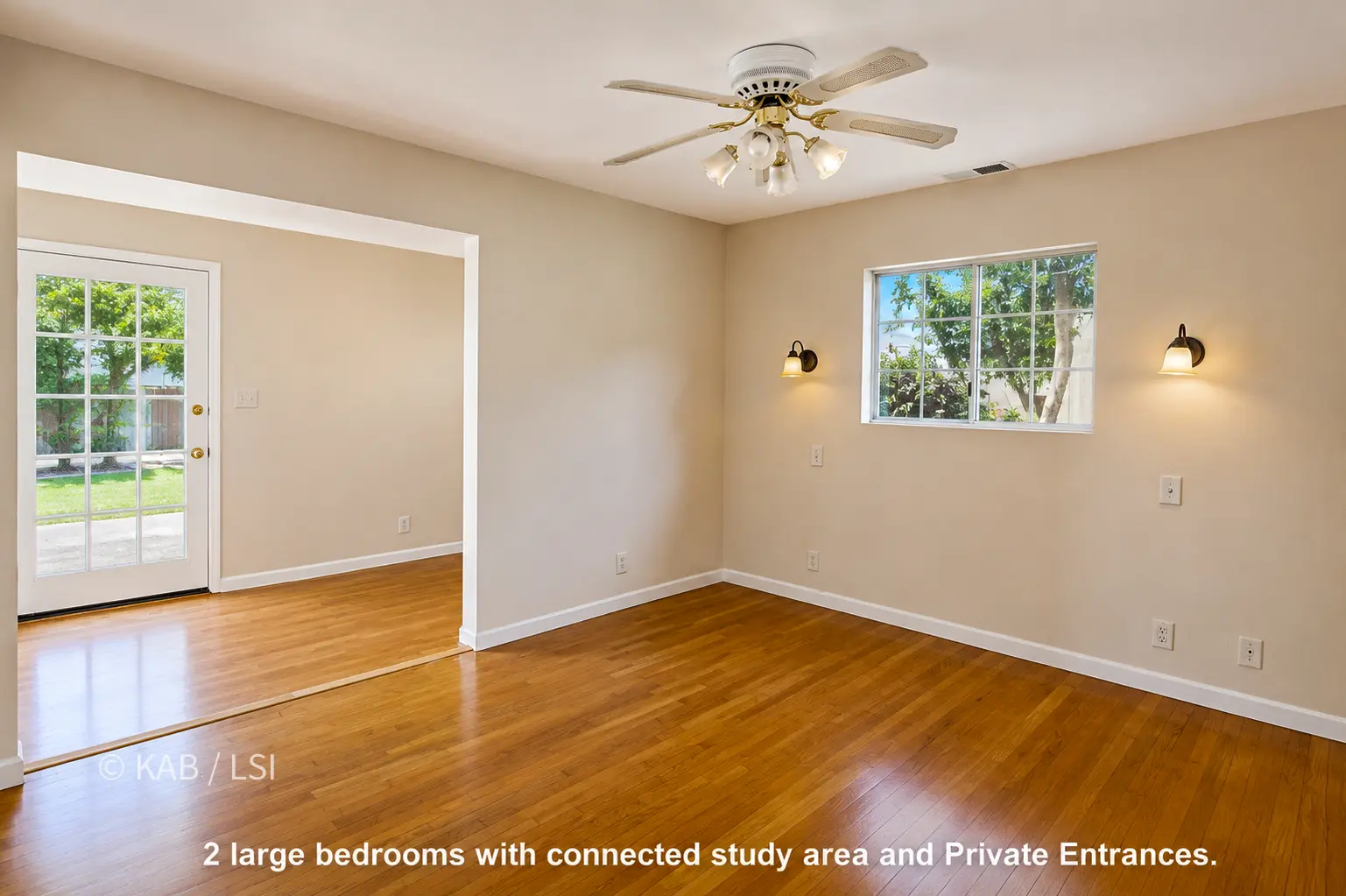
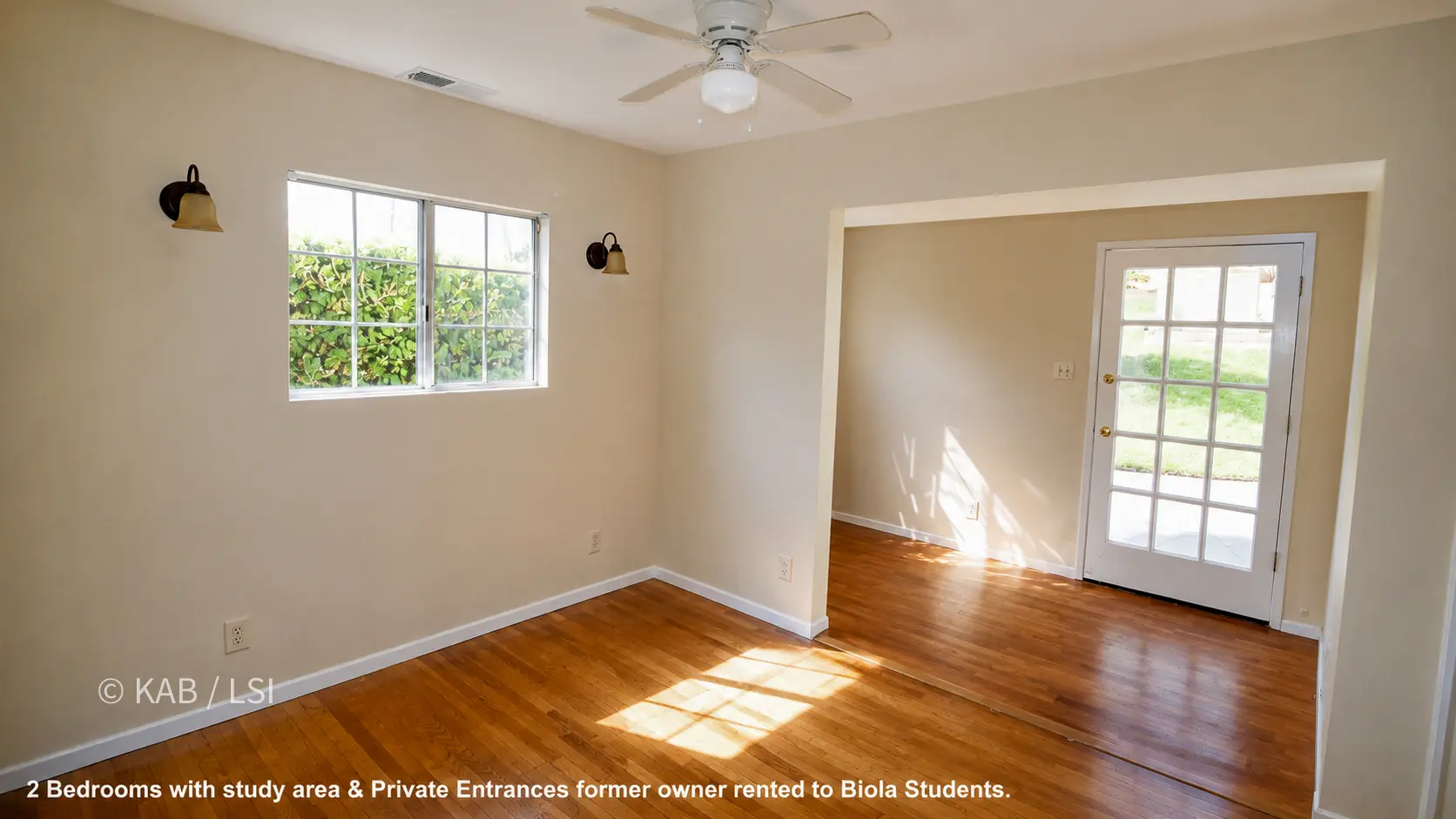
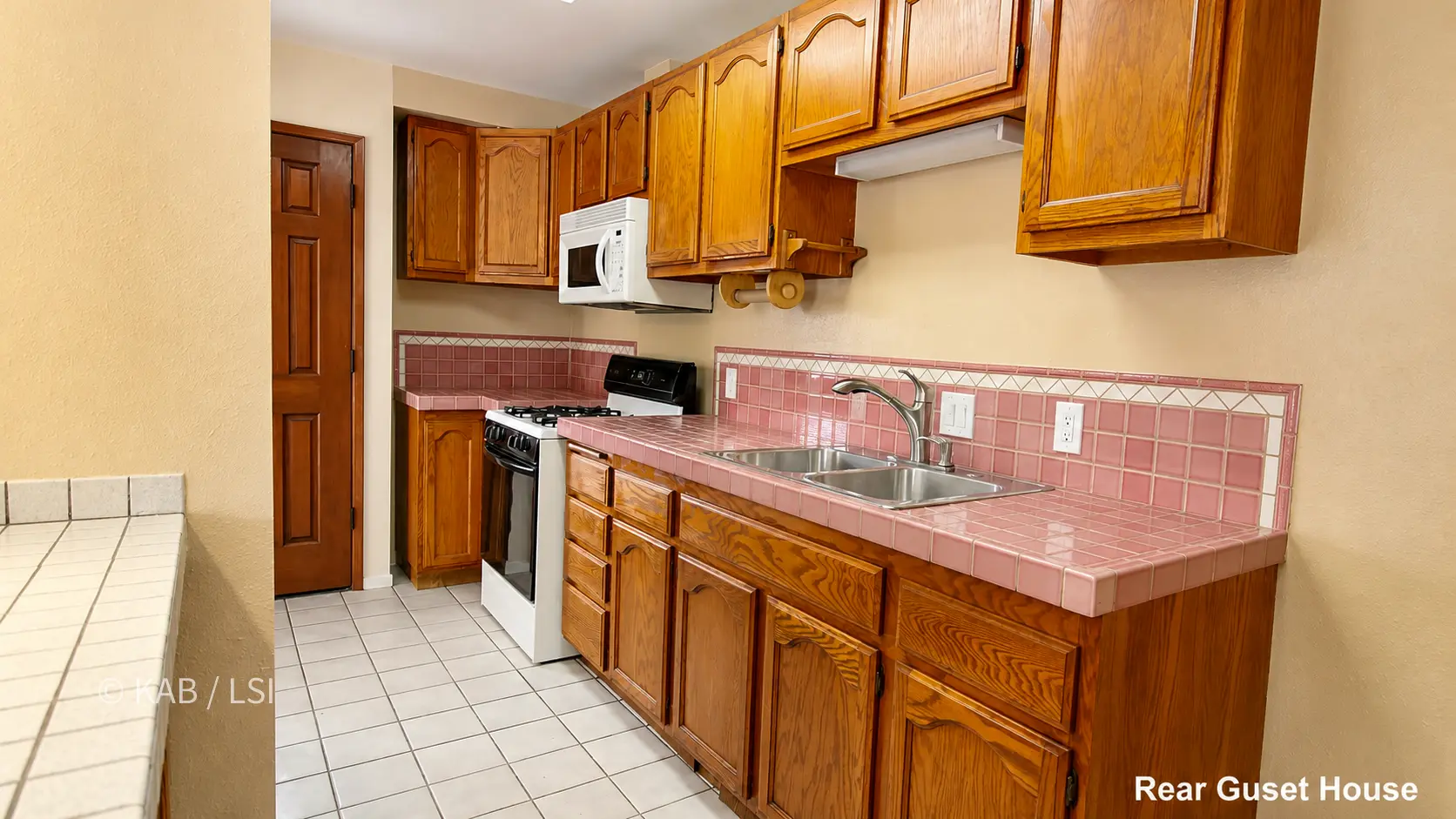
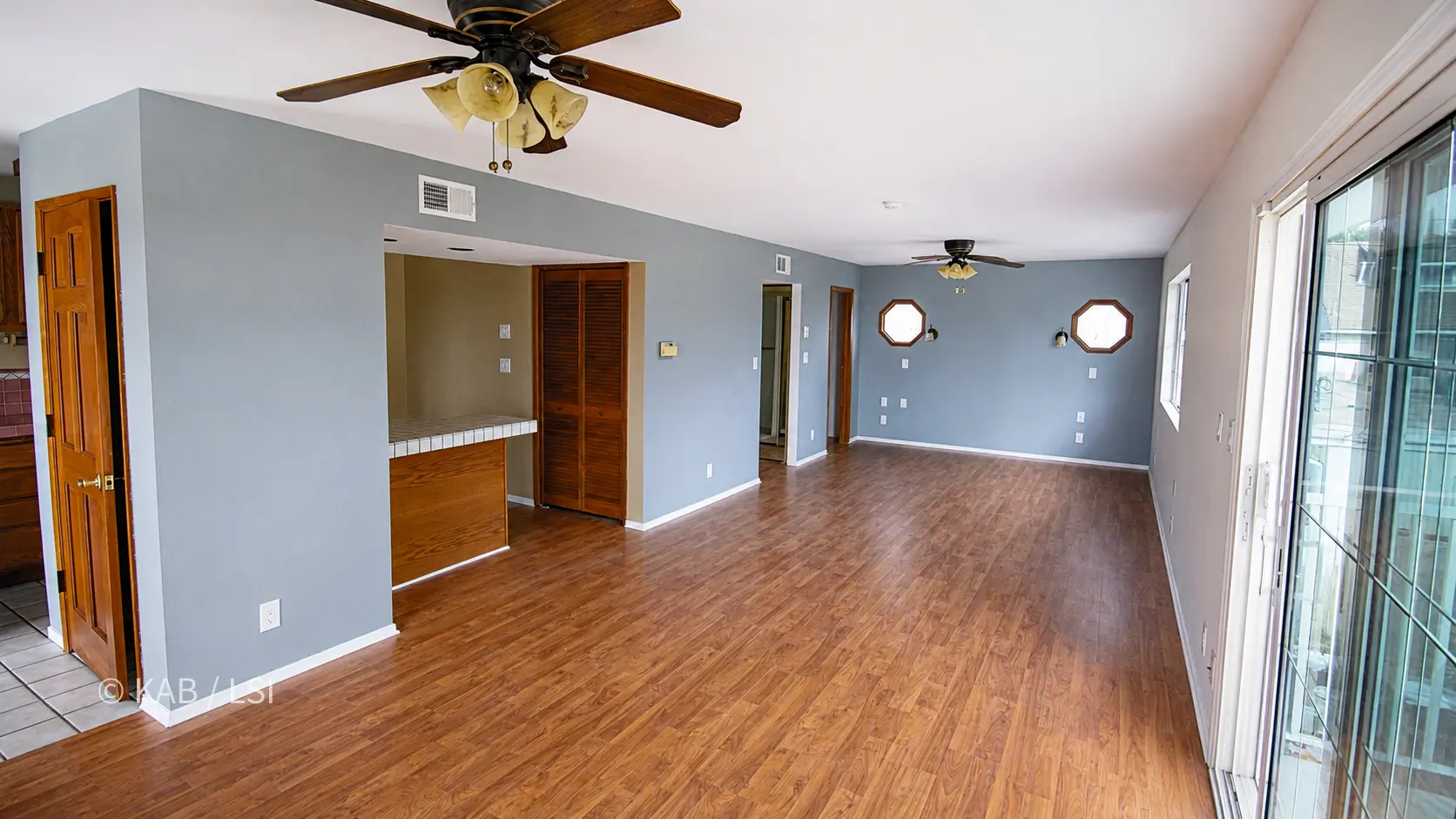
How the house retired its owner
The four original bedrooms went to students from Biola, the university just down the road — quiet, serious tenants, many of them studying for the ministry, their rent paid directly by their families and treating the house the way the owner did. She moved upstairs into the ADU, finally pulled the plug on working, and lived on her pension and the rent. The rent covered the refinanced mortgage and left income on top.
The numbers were satisfying. The house was already hers, free and clear, and she borrowed against the largest, newest, best-looking house on the block at a rate its new value had earned her. She paid herself back every dollar the year of work had cost and still had a hundred and fifty thousand dollars in the bank. Four tenants carried the mortgage and the taxes between them. She stopped working, bought a new car, and never had to think about money again.
None of it was luck
None of that was luck. Before I drew a line, I read the neighborhood — a university down the street, families all over the country looking for safe, steady housing for their kids — and designed the property for the people who were actually there. That is what the trade calls a property’s highest and best use. One ordinary house, sequenced right, became a retirement plan for the woman who owned it and a working home for our young family while we got there. The principle scales. That’s part of why I do this work now.
Built for Biola’s students — bought by Biola’s CFO
A small footnote at the other end. When she passed and the property listed, the buyer was the chief financial officer of Biola University — not buying for the institution, buying for himself. He and his wife loved it enough to sell their Whittier home and make it their retirement home. The sale price set a record for the street.
Now, about your hill
That house was a long time ago, and the work has taken me all over the county since — but the lesson travels, and it comes home to this hill. If you are one of my neighbors up here in the Heights — an empty-nester in a home that has quietly grown too large, a widow or widower who loves this place and has no intention of leaving it, someone who finds the property taxes and the upkeep alone starting to make the decision for you — I want you to know there is usually far more room to maneuver than it looks. A large property you are living in only a few rooms of is rarely a problem. More often, it is what lets you stay. If that is your situation, call me. That is the conversation I am here for.
If your property has been trying to tell you what it wants to be, let’s talk.
By referral and invitation. La Habra Heights and the surrounding hillside communities.
The light way. Send a paragraph by email. Tell me what’s on your mind. I’ll let you know what I think — and whether walking it together makes sense. No charge.
The structured way. Schedule the property visit. Aerials, laser, candid conversation, lunch on Whittier Boulevard if you want it.
Your name on a property title is a quiet kind of stewardship.
In the United States, your name stays on the public record of a property as long as the records exist. Whoever comes next will inherit not just the beauty, but the deferred decisions — and the good ones.
Let’s hope we all did a good job on the properties we steward.
You can probably tell by now I'm not writing to land a job — I'm well past that. So wherever you are on this hill, and however you got here — comfortable or stretched thin, sure of your next move or not sure of anything — you don't need a project or a budget to talk to me. Most people bought up here because they could; it's living it that makes you wish for someone to think things through with who isn't angling to sell you anything.
That's what I'm for — and I mean it plainly. I've sat with widows and widowers who were bracing to lose the house, and we kept it, because there's almost always income sitting unnoticed in a place this size — a garage, a quiet corner of the house, an acre that could carry part of its own weight. Nearly fifty years up here teaches you where to look.
Bring me the tight spot. We'll think it through.